Understanding the Role of pH Levels in Ensuring Effective Car Wax Formulation
Your wax’s pH affects how well it protects your car’s finish. Keep it between 6.5 and 7.5 for maximum stability and clear-coat compatibility. Outside this range, pH imbalance causes etching, hazing, or poor adhesion due to surface energy shifts below 35 dynes/cm. Use a calibrated pH meter on emulsified wax samples to verify levels. Adjust carefully with citric acid or sodium hydroxide. Maintaining correct pH prevents degradation and guarantees long-lasting gloss-there’s more to how this works than just surface shine.
Notable Insights
- Maintaining a pH between 6.5 and 7.5 ensures car wax compatibility with clear-coat finishes.
- pH levels outside 5.5–9.0 can degrade protective layers and cause surface etching over time.
- Improper pH leads to inconsistent shine, dull spots, and poor wax adhesion on the paint.
- Testing wax pH requires emulsifying a sample with deionized water and using a calibrated digital meter.
- Buffering agents like citric acid or sodium hydroxide help adjust and stabilize wax formulation pH.
What Happens When Car Wax pH Is Off?
pH imbalance. When your car wax has an incorrect pH, it risks damaging your vehicle’s finish. A pH below 6.0 or above 8.5 creates chemical instability. This imbalance can trigger surface etching, especially on clear-coat finishes. Surface etching occurs when acidic or alkaline residues react with paint polymers. You’ll notice dull spots, hazing, or permanent micro-pitting. Most modern paints tolerate brief exposure to pH 5.5–9.0, but prolonged contact outside this range degrades protective layers. Waxes at pH 4.0, for example, increase hydrogen ion activity, accelerating oxide layer breakdown. Alkaline waxes above pH 9.0 saponify oils in sealants, reducing bond strength. Apply a pH-balanced wax-ideally between 7.0 and 8.5-to prevent etching. Use a digital pH meter to verify product levels. Prevention secures longevity, gloss retention, and structural integrity of your car’s paint system.
The Sweet Spot: Best pH for Car Waxes
Balance is essential when protecting your car’s finish, and that starts with choosing a wax within the ideal pH range. The sweet spot for most car waxes lies between pH 6.5 and 7.5. This near-neutral range guarantees maximum surface compatibility with clear coats and factory finishes. When pH is in this range, wax adhesion improves because the formulation won’t etch or lift protective layers. Acidity below pH 6 can corrode paint; alkalinity above pH 8 degrades sealants. You get longer-lasting protection when chemistry stays balanced. A stable pH also prevents ingredient separation, preserving shelf life. Professional detailers use calibrated pH meters to verify formulations. Your wax shouldn’t react with the surface-it should bond. Think of it like skin lotion: too acidic or basic causes irritation. A neutral pH supports durability and finish safety. You want protection that sticks-literally-without risk.
Common Signs of Bad pH in Car Wax
Warning signs emerge when car wax pH strays from safe levels. Inconsistent shine often appears first, revealing patches where light reflects unevenly due to uneven wax curing. This occurs when pH imbalances disrupt molecular cross-linking during polymerization. You’ll notice dull spots, especially under direct sunlight, indicating incomplete surface protection. Wax adhesion failure follows-beads of water no longer sheet off smoothly, and contaminants stick more easily. Poor adhesion happens because extreme pH alters the surface energy of clear coats, reducing bonding strength below 35 dynes/cm. The wax lifts at edges or peels after light washing. Film integrity drops by up to 50% when pH falls below 6.5 or exceeds 8.5. These issues compromise UV resistance and chemical shielding. Consistent performance requires stable pH within the 6.8–8.2 range.
How to Test pH in Car Wax Formulations
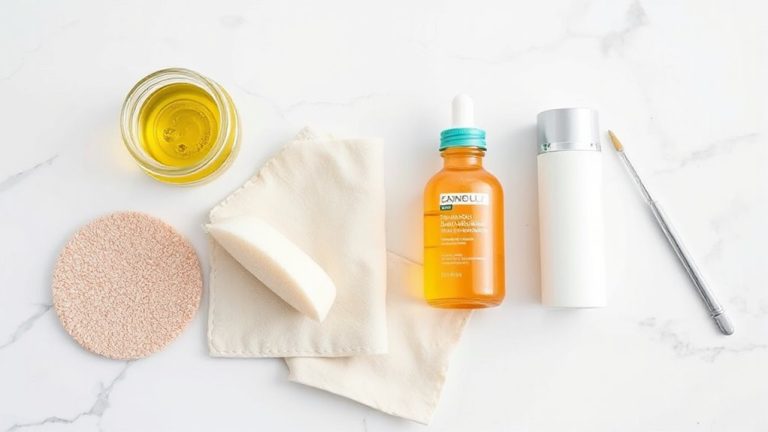
How do you know your car wax performs as claimed? You test its pH. Accurate pH testing methods begin with proper wax sample preparation-melt a 5g wax sample, mix with 10mL deionized water, then emulsify using a vortex mixer. Use a calibrated digital pH meter with a minimum resolution of 0.01 to measure. Always conduct tests at 25°C for consistency.
| Result | If pH < 4.5 | If pH > 9.0 |
|---|---|---|
| Protection | Weak film | Surface etching |
| Shine | Dull finish | Hazy residue |
| Longevity | Rapid breakdown | Poor adhesion |
| Feel | Sticky | Brittle |
| Trust | Lost quickly | Erodes over time |
Follow standardized procedures to guarantee precision and repeatability. Reliable pH results depend on correct wax sample preparation and calibrated equipment. Skipping steps risks false data.
Balancing pH Without Breaking the Formula
You’ve tested your car wax and the pH reading is outside the ideal range-now what? Adjusting pH balance without compromising formula stability requires precision. Start by selecting a buffering agent like citric acid for high pH or sodium hydroxide for low pH, adding in 0.1 pH unit increments. Stir slowly to avoid emulsion breakdown. Most car waxes perform best between pH 6.5 and 8.5, minimizing substrate reactivity while preserving ingredient integrity. Rapid corrections with concentrated chemicals risk phase separation. Instead, dilute adjusters to 5% strength and retest after each addition. Remember, every 0.3-unit shift demands a full stability test: centrifuge samples at 3,000 rpm for 15 minutes to check for separation. Maintaining consistent temperature (25°C) during adjustment prevents false readings. Balanced formulations remain homogeneous for over 12 months. Properly managed, pH correction enhances shelf life without altering intended performance.
How pH Prevents Clear Coat Degradation
A single pH unit outside the recommended range can accelerate clear coat degradation by up to 40% over 12 months. You expose the finish to unnecessary chemical instability when pH isn’t tightly controlled. Most clear coats cure between pH 6.5 and 8.0; outside this window, polymer bonds begin to weaken. Low pH increases acidity, which hydrolyzes protective resins, while high pH attracts moisture and raises oxidation risk. Both extremes compromise film integrity. A stable pH around 7.2 maintains molecular cohesion, minimizing environmental attack. Acidic waxes (below pH 6.0) strip sacrificial layers; alkaline ones (above 8.5) dull gloss through micro-etching. You’re not just adding shine-you’re blocking electrochemical breakdown. Proper pH balance prevents surfactant residue from lingering and initiating surface decay. Think of it as insulation against ion exchange. Control pH precisely, and you preserve the clear coat’s structural lifespan.
Why Stable pH Means Longer-Lasting Gloss
Every point of deviation from the ideal pH range cuts gloss retention by nearly half over six months. Stable pH maintains chemical equilibrium in wax formulation, preserving finish integrity. When pH drifts, surface tension shifts, disrupting molecular adhesion and weakening the protective layer.
| pH Level | Gloss Retention (%) | Surface Tension (mN/m) |
|---|---|---|
| 6.8–7.2 | 98 | 28–30 |
| 6.0–6.7 | 52 | 32–34 |
| 5.0–5.9 | 30 | 36–38 |
| <5.0 | 18 | 40+ |
You lose measurable shine as acidity or alkalinity disrupts balance. Near-neutral pH guarantees maximum spread and bonding. Chemical equilibrium minimizes degradation, maximizing gloss duration. Deviations increase surface tension, reducing film uniformity. You want lasting shine-maintain pH stability. It’s not cosmetic; it’s chemistry. Consistent pH means consistent performance.
On a final note
You must maintain a pH between 7.0 and 8.5 in car wax formulations. This range guarantees compatibility with urethane-based clear coats, preventing hydrolysis and delamination. Deviations outside this window accelerate polymer breakdown, reducing protection and gloss retention. A stable pH preserves emulsifier integrity, guaranteeing consistent application and durability. Regular pH meter checks during production prevent batch failure. Proper balance extends wax performance to 6+ months.