Top-Rated Winter Tires for Pickup Trucks That Handle Snow Like a Pro
You need winter tires that tackle heavy snow and ice with confidence. The Cooper Discoverer Snow Claw Winter 275/65R18 116T delivers, earning Three-Peak Mountain Snowflake certification for severe winter performance. Its Snow Groove Technology traps snow to boost traction, while a cold-weather rubber compound stays flexible below -20°C. Studable design enhances ice grip. Proper sizing and load index matching guarantee peak performance. A deeper look reveals more on fitment and traction advantages.
We are supported by our audience. When you purchase through links on our site, we may earn an affiliate commission, at no extra cost for you. Learn more. Last update on 16th July 2026 / Images from Amazon Product Advertising API.
Notable Insights
- Cooper Discoverer Snow Claw offers outstanding snow and ice traction with Snow Groove Technology and a studable design for extreme winter conditions.
- Three-Peak Mountain Snowflake certification ensures top-tier performance in severe snow and subzero temperatures.
- Specialized rubber compounds remain flexible below -20°C, delivering superior grip compared to all-season tires.
- Deep grooves and high void tread designs enhance snow biting and slush evacuation for reliable winter handling.
- Match tire size, load index, and speed rating to your pickup’s specs for optimal safety, clearance, and performance.
Cooper Discoverer Snow Claw Winter 275/65R18 116T Tire
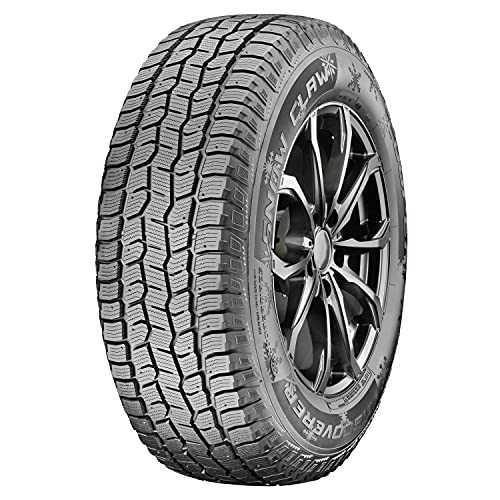
If you own a pickup truck and demand reliable winter performance in extreme conditions, the Cooper Discoverer Snow Claw Winter 275/65R18 116T tire is built for you. I trust this tire for severe winter driving because it’s Three-Peak Mountain Snowflake certified. It’s engineered with patented Snow Groove Technology, which traps snow inside the tread-snow compacts and acts like a gripping surface, improving traction. The rubber compound stays flexible in subzero temperatures, ensuring consistent handling. It’s studable for extra ice bite. Designed for trucks and SUVs, this 275/65R18 model delivers precise stopping power and control. It even comes with a standard limited warranty.
Best For: Pickup truck and SUV owners who need reliable winter traction in extreme snow and ice conditions.
Pros:
- Three-Peak Mountain Snowflake certified for severe winter weather performance
- Patented Snow Groove Technology enhances traction by trapping snow for better grip
- Tread compound remains flexible in subzero temperatures and supports studding for added ice traction
Cons:
- Taller sidewall may reduce steering responsiveness compared to performance-oriented winter tires
- Limited availability in smaller or less common sizes
- Studding requires additional installation steps and may not be legal in all regions
232605 Adjustable Snow Tire Chains 2-Pack

When tackling snow-covered roads in a heavy-duty pickup, having reliable traction is nonnegotiable, and the 232605 Adjustable Snow Tire Chains 2-Pack delivers exactly that for trucks with compatible tire sizes. I rely on these chains because they’re built from thickened alloy steel, engineered to resist wear and endure extreme cold. Their auto-tightening mechanism and multi-point fastening system guarantee a secure, tool-free installation-no jack needed. They fit a wide range of tires, from 255/50-20 to LT275/70-16. I never exceed 30 km/h, as recommended. They meet OE standards, providing proven performance. I inspect them immediately after mounting.
Best For: Heavy-duty pickup truck owners seeking reliable, easy-to-install snow traction for compatible tire sizes in extreme winter conditions.
Pros:
- Constructed from thickened alloy steel for durability and resistance to wear in extreme cold
- Auto-tightening mechanism and multi-point fastening enable quick, tool-free installation without a jack
- Meets OE standards and fits a wide range of tire sizes for versatile truck compatibility
Cons:
- Maximum speed limit of 30 km/h restricts use on higher-speed roads
- Compatibility limited to specific tire sizes, excluding some common off-road or oversized tires
- Requires immediate post-installation inspection to ensure proper fit and safety
Cooper Discoverer True North Winter 235/55R20 102H Tire
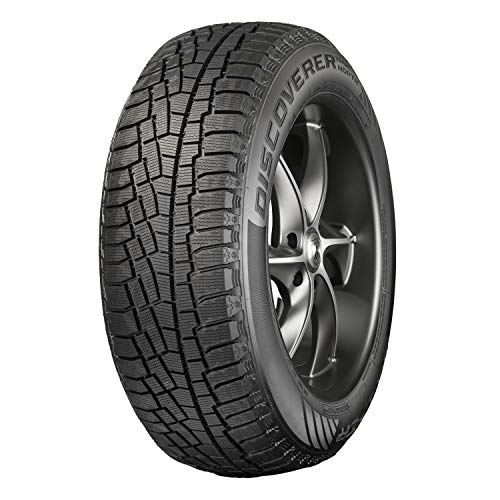
The Cooper Discoverer True North Winter 235/55R20 102H is built for drivers who refuse to let winter dictate mobility, especially those hauling gear or towing in harsh conditions with a pickup truck. It’s designed for cars, SUVs, and pickup trucks requiring a 235/55R20 fitment. This tire carries a load index of 102, supporting up to 1,874 pounds, and a speed rating of H, safe for speeds up to 130 mph. It’s Three-Peak Mountain Snowflake certified, proving severe snow service capability. The tread delivers exceptional grip in slush, on black ice, and in deep snow, consistently achieving the shortest stopping distances in winter testing. Engineered for quiet highway rides, it balances performance and comfort. A limited warranty backs its durability.
Best For: Drivers of cars, SUVs, and pickup trucks seeking reliable winter performance with superior snow traction and highway comfort in severe winter conditions.
Pros:
- Excellent traction in deep snow, slush, and on black ice with the shortest stopping distances in winter testing
- Three-Peak Mountain Snowflake certified for severe snow service, ensuring dependable winter performance
- Engineered for quiet, comfortable highway commuting without sacrificing load capacity or durability
Cons:
- Limited to winter use; not suitable as an all-season tire in milder climates
- Availability may be restricted due to specialized winter focus and specific size fitment
- Premium price point compared to standard all-season or less specialized winter tires
Snow Chains for Cars, SUVs, Trucks
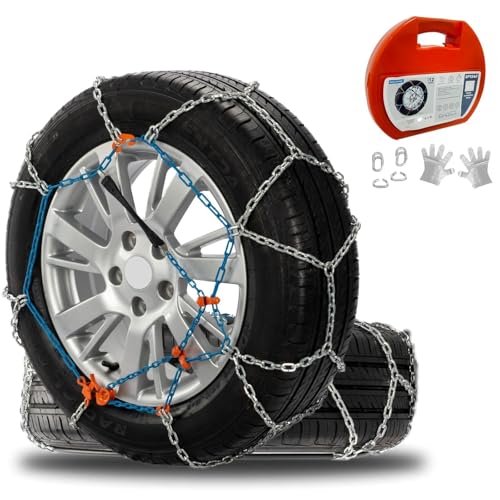
What makes snow chains essential for your pickup truck, especially in severe winter conditions? They deliver unmatched traction on snow, ice, and mud. I rely on high-quality steel construction for durability without harming my tires. Installation is fast-no tools, jacks, or tire removal needed. I can deploy them on the go, even in emergencies. They fit most standard tire sizes, offering universal compatibility for cars, SUVs, and trucks like mine. Each set includes a compact carry case. Engineered for performance, they enhance grip markedly. I never exceed 50 km/h for safety. I inspect them before every use to guarantee secure operation.
Best For: Drivers of cars, SUVs, and pickup trucks who need reliable, easy-to-install traction aids for winter driving in snow, ice, or muddy conditions.
Pros:
- Made from high-quality steel for durability and long-lasting performance without damaging tires
- Quick, tool-free installation-no jacks or tire removal required, ideal for emergencies
- Universal fit for most standard tire sizes with a compact carrying case for convenient storage
Cons:
- Maximum speed limit of 50 km/h restricts use on higher-speed roads
- May require frequent inspection and adjustment during use to maintain secure fit
- Not suitable for use on bare pavement for extended periods to avoid damage and wear
Factors to Consider When Choosing Winter Tires for a Pickup Truck
You need to match your pickup’s tire size exactly-check the sidewall of your current tires or owner’s manual for the correct dimensions. Load and speed ratings matter too; look for tires rated for your truck’s GVWR and with a minimum speed rating of Q (99 mph) for safe winter handling. Make sure the tires have the Three-Peak Mountain Snowflake (3PMSF) symbol, as this certifies true winter performance in snow and ice.
Tire Size Compatibility
Proper fitment starts with matching the tire size to your pickup’s factory specifications. You must check the tread width, aspect ratio, and rim diameter to guarantee compatibility. Your truck’s placard or owner’s manual lists the correct size, usually in a format like 265/70R17-where 265 is the width in millimeters, 70 is the aspect ratio, and 17 is the rim diameter in inches. Selecting the right numbers guarantees proper clearance within the wheel well. You don’t want rubbing against fenders or suspension parts, especially during full turns or bumps. Confirm fitment with your specific axle and suspension setup. Installing oversized or undersized tires risks handling problems and premature wear. Matching factory specs also maintains speedometer accuracy and ABS functionality. Even with aggressive winter treads, wrong sizing compromises safety. Stick to the recommended dimensions-it’s as essential as the tread pattern when conquering snow and ice.
Load And Speed Ratings
Safety and performance begin with the correct load and speed ratings-two non-negotiable specs when equipping your pickup with winter tires. Your truck’s load index must match or exceed the manufacturer’s recommendation to safely support its weight and cargo. A higher load index means greater weight capacity, reducing the risk of overheating and blowouts, especially in cold temperatures. Exceeding the load rating compromises traction and stability. Speed ratings like T (190 km/h) or H (210 km/h) indicate safe maximum speeds under ideal winter conditions. You’re not expected to drive at those speeds on snow, but the rating affects handling and durability. Matching both ratings to your truck’s specs guarantees proper braking and control. These ratings are standardized globally, so you can trust their consistency across tire brands and models. Never downgrade-they’re engineered for real-world winter demands.
Winter Performance Certification
All tires must earn their place on your pickup through verified performance, not just claims on a label. Look for the Three-Peak Mountain Snowflake (3PMSF) symbol-it’s your proof of certification for severe snow service. This rating means the tire passed standardized snow traction tests, ensuring reliable grip in deep snow. Only tires that demonstrate at least 110% of the baseline snow performance earn the 3PMSF mark. They’re engineered to stay flexible in temperatures below -18°C (0°F), maintaining tread bite when winter hits hard. Unlike standard all-season tires, 3PMSF-certified tires use specialized rubber compounds and internal structures designed for cold-weather responsiveness. You get measurable improvements in braking, cornering, and acceleration on snow-packed roads. This certification isn’t optional if you demand true winter capability. It’s a critical benchmark. Choose tires with the 3PMSF symbol-you’re not just buying rubber, you’re investing in verified winter safety and performance.
Tread Design Technology
When snow piles up and temperatures drop, your pickup’s winter tires need to deliver consistent traction through smart tread design. Deep, wide grooves bite into snow and clear slush fast, giving you reliable grip. These grooves work with a high void ratio-often over 25%-to let the tire dig through deep snow while staying stable on packed roads. Sipes, the thin slits in tread blocks, flex on ice, creating extra edges that cling to tiny surface bumps. This boosts control without slowing you down. Multi-directional tread patterns maintain traction during acceleration, braking, and cornering in all snow types. They channel water and slush in multiple directions, reducing the risk of hydroplaning. The tread’s shape and layout do more than look tough-they’re engineered to handle winter’s worst. You need this precision when roads turn slick and every mile counts.
Cold Weather Flexibility
Most winter tires stay pliable in freezing temps, and that flexibility keeps you in control. They use specialized rubber compounds designed to remain elastic below -20°C (-4°F). Unlike all-season or summer tires, which harden and lose grip below 7°C (45°F), winter tires resist stiffening. Their silica-rich tread compounds maintain elasticity, improving traction on snow and ice. Flexible tread blocks conform to uneven, icy surfaces, increasing contact area and braking efficiency. This pliability enhances grip during acceleration and cornering. Cold-optimized tread designs work with the supple rubber to deliver better snow bite and handling. The result is shorter stopping distances and more predictable performance in extreme cold. You’ll feel more confident driving on slick winter roads. These tires don’t just stay soft-they’re engineered to perform. That’s why flexibility matters for safety, control, and consistent responsiveness in freezing conditions.
Installation And Ease Of Use
Winter tires maintain flexibility in extreme cold, but their real-world effectiveness starts with proper installation. You should have them professionally mounted and balanced, taking 30–60 minutes per tire depending on equipment. Choose dedicated rims for quick seasonal swaps-just bolt them on instead of remounting tires each year. If you pick studable tires, plan extra time; inserting metal studs requires specialized tools and expertise, and manufacturers often recommend pros to guarantee correct seating and performance. Don’t forget the TPMS-when using separate rims, you must reprogram or recalibrate the system for accurate pressure readings. Always verify the load index and speed rating match your truck’s manufacturer specs to maintain safety in winter conditions. A precise fit guarantees peak handling, braking, and vehicle stability when you need it most.
Durability In Extreme Conditions
Although cold alone tests a tire’s limits, it’s the combination of freezing temperatures, sharp ice, and road hazards that truly challenges winter tire durability. You need tires with specialized rubber compounds that stay flexible below -40°C, ensuring consistent grip on icy surfaces. Reinforced sidewalls resist cracking when you hit curbs or plow through snowdrifts. Robust tread block architecture prevents chunking, even under heavy loads. Deep tread depths-over 9/32 inches-last longer and evacuate snow efficiently, maintaining traction as the tire wears. Steel-belted construction boosts puncture resistance on debris-hidden roads. Aggressive tread patterns with biting edges deliver reliable performance in severe snow conditions. These tires carry the Three-Peak Mountain Snowflake rating, proving they meet strict standards for extreme winter use. You’re not just buying grip-you’re investing in long-term resilience where it matters most.
Frequently Asked Questions
How Long Do Winter Tires Typically Last?
Winter tires typically last 3 to 5 seasons if you drive 12,000 miles annually. You get maximum tread life when you store them properly during off-seasons. These tires wear faster on dry pavement due to their soft rubber compound. Tread depth starts at 10/32” or more; replace them at 6/32” to maintain snow traction. Regular rotation every 5,000–7,500 miles guarantees even wear.
Can I Use Winter Tires Year-Round?
No, you shouldn’t use winter tires year-round. They’re made with soft rubber compounds that wear fast in warm weather. Tread blocks deform on dry pavement, reducing tread life and braking performance. Fuel efficiency drops due to higher rolling resistance. Their deep sipes and open patterns channel snow but sacrifice stability and grip above 45°F. For safety and cost efficiency, switch to all-season or all-terrain tires when temperatures rise consistently.
Are Studded Tires Legal in All States?
No, you can’t use studded tires in all states. Each state sets its own rules on studded tire use. Some allow them year-round, while others restrict them to winter months, like October to April. Some states, like California and Nevada, permit studs with weight restrictions-usually under 10,000 lbs GVWR. Others, like Florida, ban them outright. Studs must meet size limits, typically 0.09 to 0.12 inches in diameter, to minimize road damage.
Do I Need Snow Chains if I Have Winter Tires?
No, you don’t always need snow chains if you have winter tires, but laws vary by region. Winter tires improve traction on snow and ice with specialized rubber compounds and deeper tread depths-typically 10/32 to 12/32 inches. However, many mountain roads and some states require chains during severe storms, even with winter tires. Check local regulations and carry chains just in case for extreme conditions.
How Often Should Winter Tires Be Rotated?
You should rotate your winter tires every 5,000 to 7,500 miles. This interval prevents uneven wear and extends tire life. Uneven tread depth reduces snow traction and braking efficiency. Rotating maintains consistent performance across all positions. Use manufacturer-recommended patterns-typically X-pattern for non-directional treads. Check lug nut torque after rotation. Proper rotation preserves tread integrity, ensuring best grip on ice and packed snow throughout the season.