Install a GPS Tracker in a Trailer or Caravan: Wiring & Placement
Choose a GPS tracker with ±5 meter accuracy using GPS + GLONASS and 4G LTE for reliable coverage. Mount it indoors, away from metal, using an external 3dBi antenna to boost signal by 50%. Power it with a fused 12V DC line, 9–30V compatible, to guarantee constant operation. Confirm a strong GPS fix with at least four satellites and -95 dBm signal strength. Real-time tracking, geofencing, and alerts work through encrypted cloud apps. Best placement and setup improve stealth and performance. Hidden units with proper power and signal testing deliver the best theft protection. More details on advanced installation follow.
Notable Insights
- Choose a GPS tracker with ±5 meter accuracy, 4G LTE, and dual-constellation support for reliable location data.
- Mount the device indoors with clear sky view, avoiding metal obstructions and high-tamper areas.
- Use external antennas with 3dBi gain and position them upward for optimal signal reception.
- Power the tracker with a fused 12V DC connection to ensure continuous operation and prevent drain.
- Test GPS signal strength and validate accuracy in open areas before relying on theft prevention features.
Choose the Right GPS Tracker for Your Trailer
A reliable GPS tracker starts with selecting the right model for your trailer’s specific needs. You need strong GPS accuracy-look for units with ±5 meter precision using dual-constellation support (GPS + GLONASS). This guarantees consistent location reporting, even in remote areas. Signal interference is common near large metal structures or dense foliage; choose a tracker with anti-jamming technology and 4G LTE connectivity to maintain transmission. Models with external antenna options improve reception; a 3dBi antenna boosts signal by up to 50% in obstructed environments. Check update frequency: 30-second intervals provide real-time tracking without excessive battery drain. Guarantee the device operates in -20°C to 70°C temperature ranges for all-weather reliability. Prioritize IP67-rated units to withstand dust and moisture. Select one with geofencing and low-battery alerts. These features guarantee operational awareness and sustained performance under variable conditions.
Hide the GPS Tracker in a Secure Location
Now that you’ve selected a high-performance GPS tracker with dual-constellation support, 4G LTE connectivity, and an IP67 rating, the next step is positioning it where it’s both undetect narable and functional. Placement affects signal interference and tracking accuracy. Avoid metal enclosures or thick insulation that block satellite and cellular signals. Optimize mounting options by choosing non-metallic, interior locations with a clear view of the sky.
| Location | Risk of Detection |
|---|---|
| Underframe (exposed) | High – prone to tampering |
| Inside storage compartment | Medium – possible signal interference |
| Behind insulation panels | Low – excellent concealment |
| Within electrical bay | High – heat and moisture risk |
Use magnetic or adhesive mounting options based on surface material. Guarantee the antenna side faces upward to minimize signal interference. A well-hidden GPS tracker remains operational and avoids detection during theft attempts.
Power Your GPS Tracker Safely
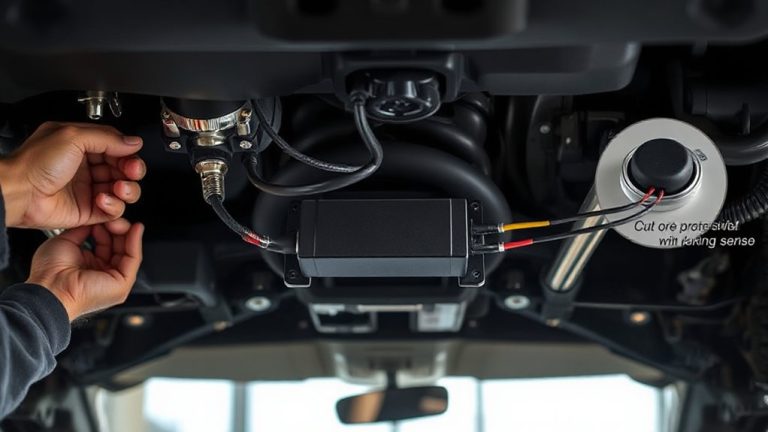
Every second counts when powering your GPS tracker correctly-connect it to a stable 12V DC source capable of delivering at least 500mA to guarantee consistent operation. Voltage compatibility is essential; using an incompatible power supply can damage internal circuitry or trigger premature shutdowns. Most trackers operate within a 9–30V range, but always verify manufacturer specs before installation. Avoid tapping into unregulated circuits that experience voltage spikes or drops. For extended battery life, choose a continuous power source like the vehicle’s fused battery line, not an ignition-switched one. This secures constant monitoring, even when the trailer is idle. Use a dedicated inline fuse-typically 1–2 amps-to protect against short circuits. Hardwiring with ring terminals or waterproof connectors maintains a secure, low-resistance connection. Proper power delivery doesn’t just enable tracking-it sustains alert responsiveness and data transmission reliability vital for theft prevention.
Test GPS Signal Strength and Accuracy
You’ve powered the tracker-next, confirm it can reliably locate itself. Wait ten minutes in an open area to allow the GPS module to acquire satellite signals. A strong fix typically requires at least four satellites, with a reported accuracy within 2.5 meters under ideal conditions. Check your device’s signal strength indicator-values below -95 dBm suggest poor reception. Signal interference from metal enclosures, electrical systems, or thick insulation can degrade performance. Avoid mounting near large conductive surfaces that block line-of-sight to satellites. Test location accuracy by comparing the tracker’s reported position to a known GPS coordinate using a smartphone or handheld GPS unit. In urban canyons-areas with tall buildings that reflect or block signals-expect accuracy to drop to 10–15 meters or worse. Retest in varied environments to verify consistent operation.
Track Your Trailer in Real Time With the App
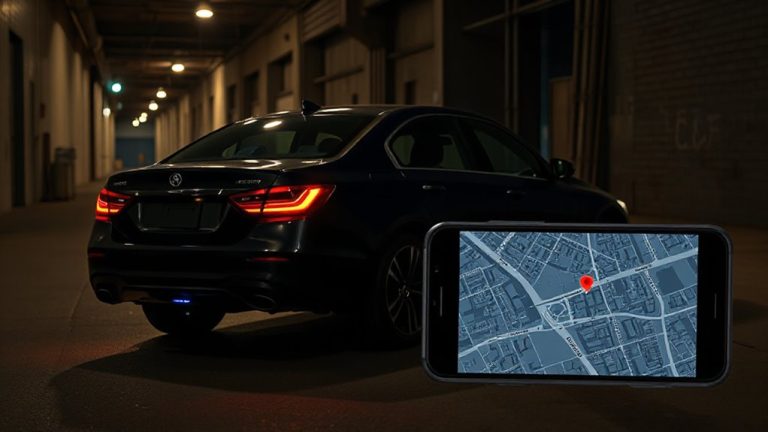
Why settle for uncertainty when you can monitor your trailer’s location with precision? Once installed, your GPS tracker connects to the app via cellular networks, enabling real time alerts whenever movement is detected. Most devices update location every 10 to 30 seconds, depending on motion status and signal strength. When stationary, reporting intervals may extend to conserve battery. You can view your trailer’s exact position on a map using coordinates accurate within 5 meters. Set up geofence notifications to trigger if the trailer leaves a predefined area-like your driveway or storage lot. Geofence radii can be adjusted from 100 to 1,000 meters. Alerts deliver instantly to your smartphone, using push notifications or SMS. The app logs historical journeys, speed data, and stop durations. Access this information securely through encrypted cloud storage. No subscription? Some trackers offer limited free data-confirm compatibility and coverage before relying on remote monitoring.
On a final note
You’ve secured your trailer with a reliable GPS tracker. Choose models like the LandAirSea 54 for 5000mAh battery life and IP67 waterproofing. Conceal it near the chassis to deter tampering. Connect hardwired trackers to the 12V system using fused taps to prevent drainage. Test signal accuracy: U-blox GPS chips deliver 5–10 foot precision. Monitor real-time location via apps using 4G LTE, ensuring theft recovery.