How Leaf Accumulation Near Stored Cars Attracts Rodents and Causes Rust
Leaf buildup near your stored car traps moisture, holding up to 60% of its weight in water and accelerating rust on steel surfaces. Prolonged dampness promotes iron oxide formation, especially in scratched or untreated zones like wheel wells. Decaying leaves release mild acids, further speeding corrosion. The damp, insulated pile also attracts rodents seeking warmth and shelter. Mounded leaves reduce heat loss by 30%, creating ideal nesting conditions. Mice and voles crawl under your vehicle, drawn by the stable microclimate. They chew wires and nest in insulation, risking electrical damage. Organic litter hosts insects and seeds, offering a hidden food source. Without an 18-inch clearance or aluminum edging (6 inches high), protection is minimal. Breathable, multi-layered car covers reduce corrosion risk by up to 65% while allowing vapor escape. French drains with 4-inch perforated PVC, buried 18 inches deep, direct water away. A 2% sloped gravel base with permeable pavers improves drainage. UV-stabilized tire barriers block tunneling near suspension. Park 10+ feet from tree lines to reduce debris. Monthly blower maintenance and biannual drain inspections keep the zone effective. You’ll discover better long-term protection strategies next.
Notable Insights
- Leaf piles retain moisture, creating damp conditions that accelerate rust on vehicle undercarriages and wheel wells.
- Decomposing leaves release mild acids and hold water, promoting corrosion on exposed or scratched metal surfaces.
- Trapped leaf litter generates heat and humidity, mimicking ideal burrow environments that attract rodents.
- Rodents use leaf cover to access vehicles, nesting underneath for warmth and protection from predators.
- Proper drainage, leaf clearance, and perimeter barriers reduce both moisture buildup and rodent infestation risks.
How Leaves Cause Car Rust
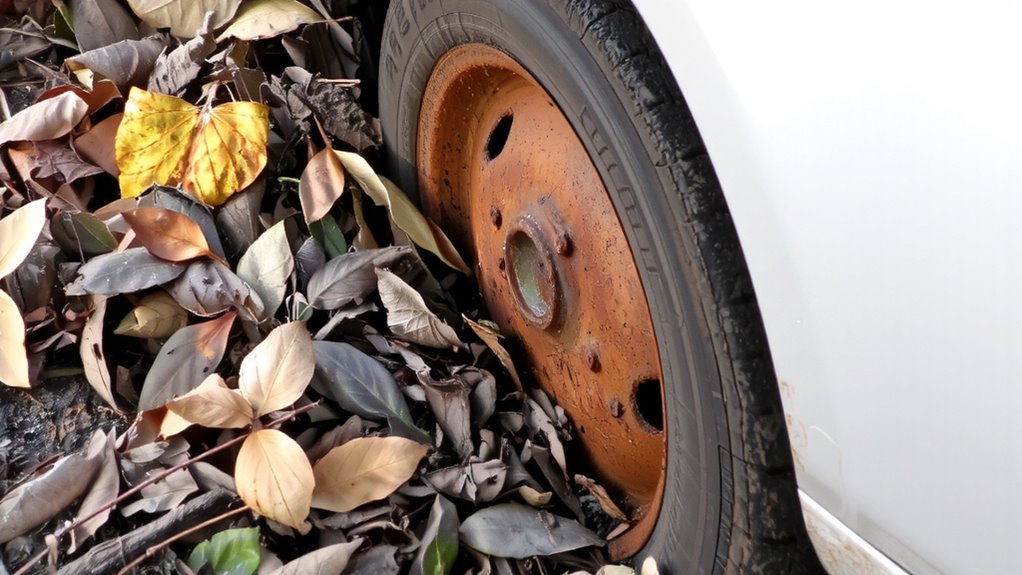
Leaves left near your car aren’t just an eyesore-they create the perfect environment for rust to take hold. Trapped underneath, they attract and hold moisture against the metal surfaces. This moisture retention accelerates chemical reactions between oxygen, iron, and water, forming iron oxide-commonly known as rust. Even brief exposure to damp conditions over several days can initiate corrosion on untreated steel. Most modern vehicles use galvanized steel or protective coatings, but scratches or existing damage expose vulnerable substrates. Organic material like leaves also releases mild acids as it decomposes, further promoting corrosive processes. These chemical reactions proceed faster in humid climates or during seasonal changes. Leaves retain up to 60% of their weight in water, prolonging contact time. Preventing debris buildup is essential. You should inspect and clean areas near wheel wells, undercarriages, and door edges-common corrosion zones-every two weeks during fall and spring.
Why Leaves Invite Rodent Nests
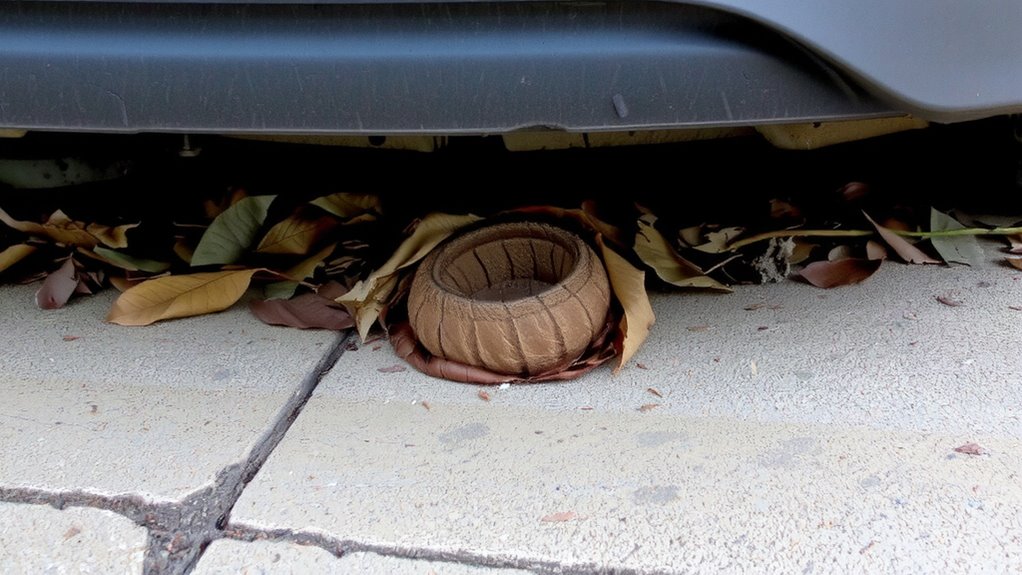
Moisture buildup from leaf piles does more than corrode metal-it also creates ideal nesting conditions for rodents. Leaves retain humidity, maintaining a damp microclimate that mimics natural burrow environments. This dampness, while harmful to your car, provides consistent nest insulation rodents seek for warmth and protection. Dry, mounded leaves act as thermal barriers, reducing heat loss by up to 30% compared to exposed ground. Rodents, such as mice and voles, favor these spots because the leaf layer buffers temperature swings. Additionally, decomposing leaves generate mild heat through microbial activity-a subtle but effective attractant. You might not realize it, but leaf litter also hosts insects and seeds, creating a hidden food attraction. Each fallen leaf layer compounds this effect, increasing both shelter quality and nutritional availability. Over time, your parked vehicle becomes an unintended target. Rodents crawl beneath, exploiting the coverage. This isn’t random-they’re responding to environmental cues you can control.
Check for Rust and Chewed Wires: What to Look For
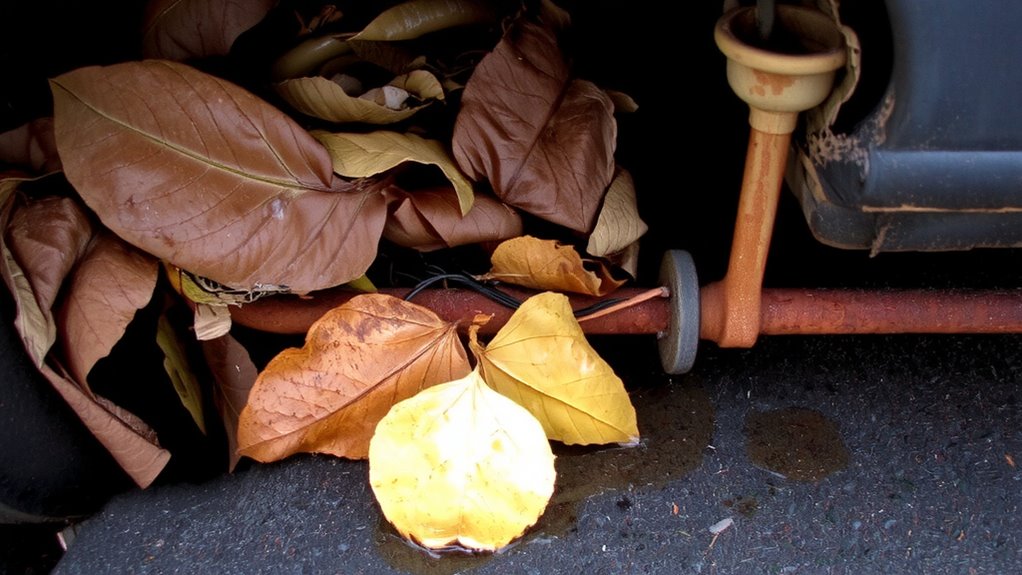
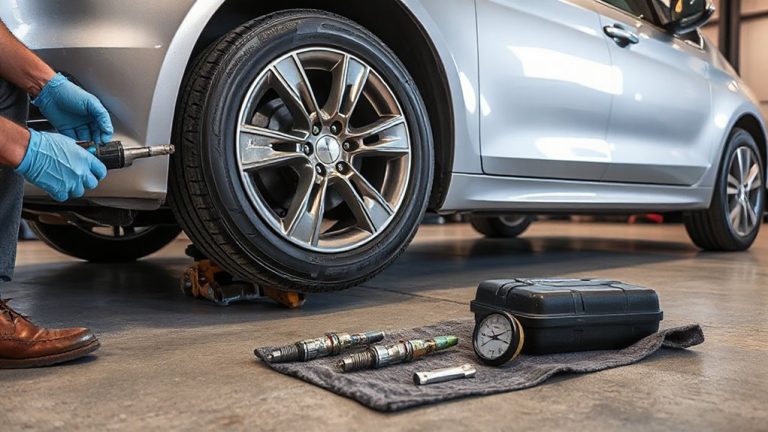
Your car’s undercarriage and wheel wells are prime targets for rust and rodent damage when leaves accumulate nearby. Moisture trapped by decomposing leaves accelerates corrosion, especially on steel components like frame rails and brake lines. Inspect for bubbling paint, flaking metal, or soft spots-early signs of rust. Rodents seek shelter in leaf piles and may nest under your vehicle. They cause electrical damage by chewing wiring harnesses. Look for frayed wires or exposed conductors, particularly near the engine bay and cabin interface. Insulation gnawing exposes copper, increasing short-circuit risks and ECU faults. Use a flashlight to examine wire looms along the firewall and steering column. Rodent teeth marks are clean, diagonal cuts, usually 1–2 mm wide. Damaged sensors, failed fuses, or no-start conditions often trace back to chewed wires. Address issues early to prevent costly repairs or fire hazards. Applying a best car rust remover can help restore and protect affected metal surfaces before corrosion spreads.
Keep Leaves Away From Parked Cars
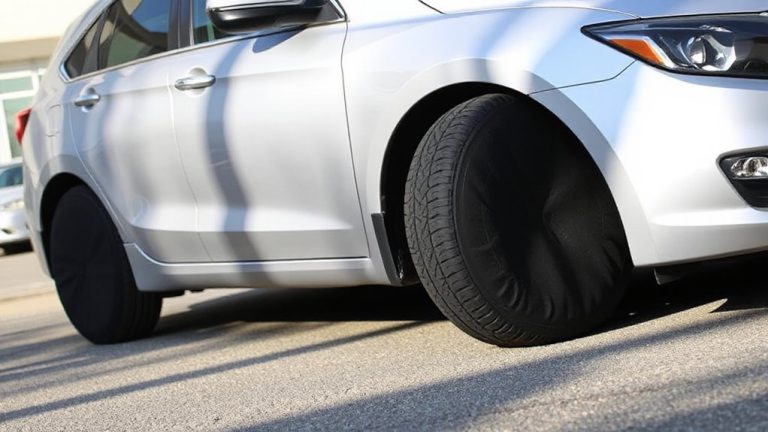
Keeping your car protected starts with controlling the environment around it, especially when seasonal leaf fall increases risks to both bodywork and mechanical systems. Leaves retain moisture, accelerating rust on undercarriages and wheel wells. They also provide insulation and nesting material for rodents seeking warmth. Use breathable, multi-layered car covers with elastic hems and reinforced gussets to fully seal the vehicle. These covers block debris while allowing trapped moisture to escape, reducing corrosion risk by up to 65%. Pair them with rubber or plastic tire barriers, 6 inches high and UV-stabilized, to prevent leaves from blowing under the chassis. Tire barriers also deter pests from tunneling near suspension components. Position covers and barriers before leaf season peaks. Inspect weekly for material degradation. Combined, these tools reduce organic buildup and rodent access, preserving paint, seals, and brake lines. Maintain clearance of at least 18 inches around all sides to limit moisture retention and airflow restrictions.
Build a Leaf-Resistant Parking Zone
While seasonal leaf buildup poses ongoing threats to parked vehicles, you can reduce risks considerably by designing a dedicated leaf-resistant parking zone. Start with proper drainage solutions to prevent water pooling. Install a 2% sloped gravel base topped with permeable pavers spaced 3–5 mm apart to allow water infiltration. Use French drains along edges, buried 18 inches deep with perforated 4-inch PVC pipe wrapped in filter fabric. Pair this with barrier installation: place aluminum or vinyl edging at least 6 inches high around the perimeter. These barriers block windblown debris and prevent leaf drift. For maximum efficacy, position the zone 10+ feet from tree lines. Combine with monthly leaf blower maintenance and biannual drain inspections. This system reduces moisture retention by up to 70%, markedly lowering rust formation and rodent habitation risks around stored vehicles.
On a final note
You must prevent leaf buildup near stored vehicles. Decaying organic matter retains moisture against metal surfaces, creating ideal conditions for electrochemical oxidation-rust-especially on undercarriages and wheel wells. Leaves also provide insulation and nesting material for rodents, which gnaw through wiring harnesses, risking electrical failure. Maintain a 3-foot debris-free perimeter. Use gravel or paving to discourage accumulation. Inspect biweekly for corrosion and chew marks. Immediate removal prevents long-term structural and electrical damage.