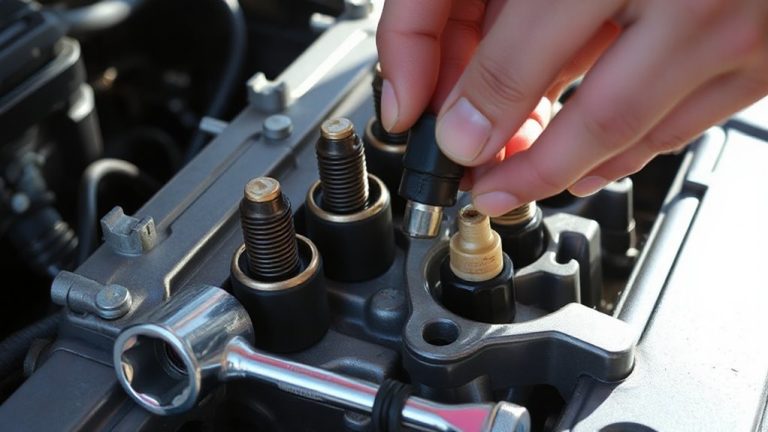
Guide to Proper Disposal of Automotive Fluids and Hazardous Materials
You dump motor oil, and a single quart can pollute 250,000 gallons of water-equivalent to 10 years of drinking water for one person. Always store used fluids in sealed, labeled HDPE or steel containers rated for fuel and oil. Never mix coolant, brake fluid, or solvents-they react, creating heat and toxic fumes. Recycle uncontaminated oil at certified centers; it’s re-refined into API Group I–III base stocks. Brake fluid, hygroscopic and flammable, goes to hazardous waste handlers. Your local auto shop or Earth911 site accepts up to 5 gallons. There’s more to get right.
Notable Insights
- Never pour automotive fluids down drains or on the ground-they can contaminate water and harm ecosystems.
- Store used fluids in sealed, labeled, non-food containers made of HDPE or steel to prevent leaks and contamination.
- Recycle motor oil at certified centers that re-refine it into lubricants or base oils.
- Keep fluids separated to avoid dangerous reactions, especially between brake fluid and antifreeze.
- Use Earth911 or local waste authority tools to find nearby facilities that accept specific automotive fluids for safe disposal.
Why Trashing Car Fluids Hurts the Planet (And You)
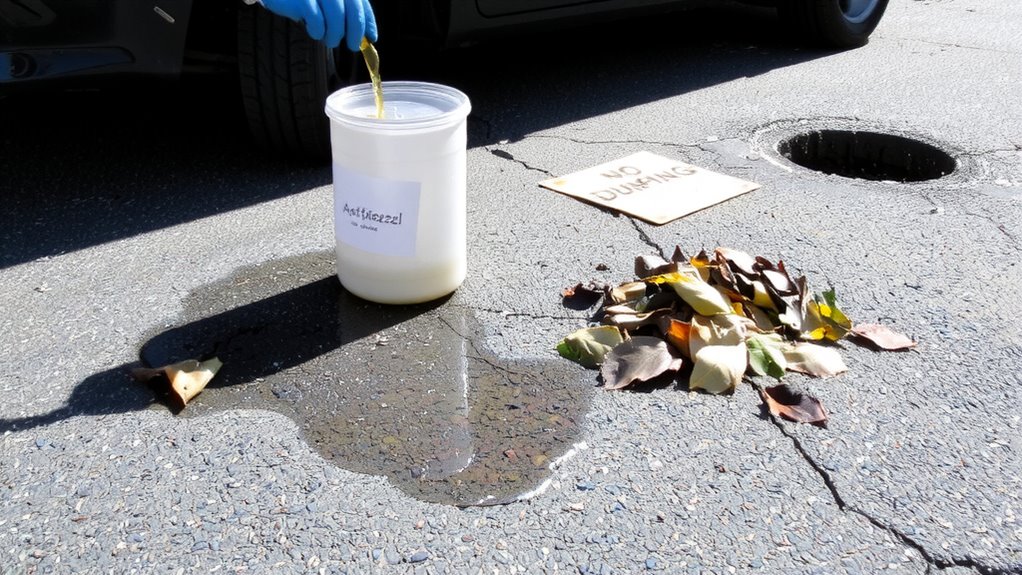
While it might seem convenient to dump old motor oil or antifreeze in the trash, doing so poses serious risks to both the environment and your well-being. Toxic runoff occurs when rainwater carries spilled fluids into storm drains, eventually reaching rivers and aquifers. A single quart of motor oil can contaminate up to 250,000 gallons of water. Antifreeze, containing ethylene glycol, is highly toxic to wildlife and humans even in small doses. Soil contamination follows as heavy metals like lead and cadmium accumulate, disrupting microbial balance and plant growth. These pollutants enter the food chain, potentially affecting your health. Used fluids degrade slowly; motor oil persists in soil for decades. Landfills lack liners to prevent seepage, enabling direct groundwater infiltration. Improper disposal violates environmental regulations, risking fines. The chemicals don’t break down-they migrate. You’re not just discarding waste. You’re enabling long-term ecological harm with measurable, lasting consequences.
What to Do With Used Oil, Coolant, and Brake Fluid
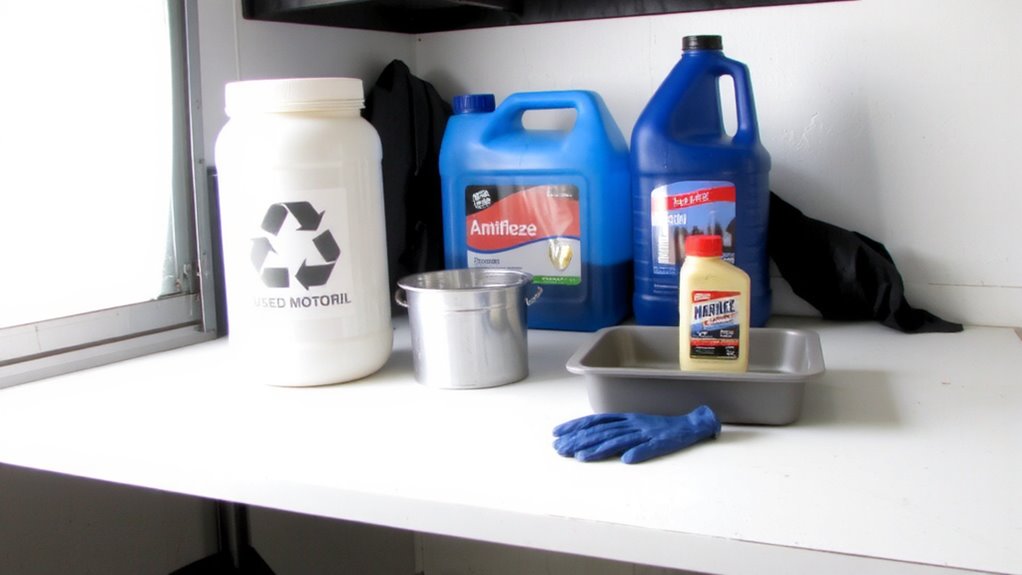
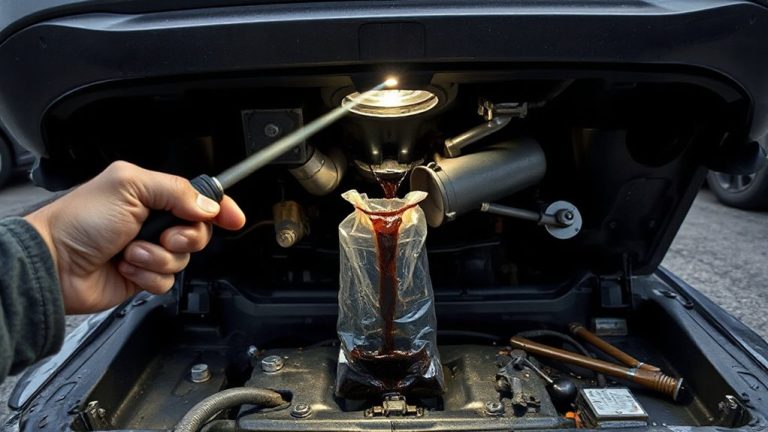
If you’re changing your car’s fluids at home, handling used oil, coolant, and brake fluid correctly is essential for safety and compliance. Local recycling centers accept these fluids for proper processing. Used motor oil can undergo re-refining for oil reuse, restoring it to base oil specifications (API Group I–III). Antifreeze may be reprocessed or offered for fluid donation if uncontaminated. Brake fluid, hygroscopic and flammable, must be disposed of as hazardous waste.
| Fluid Type | Reuse Potential | Disposal Method |
|---|---|---|
| Engine Oil | High (oil reuse) | Recycling center drop-off |
| Coolant | Moderate (fluid donation) | Certified collection site |
| Brake Fluid | None | Hazardous waste facility |
Never mix fluids. Confirm facility requirements-most accept up to 5 gallons per visit. Improper disposal risks soil contamination and fines.
Store Used Oil, Coolant, and Brake Fluid Safely
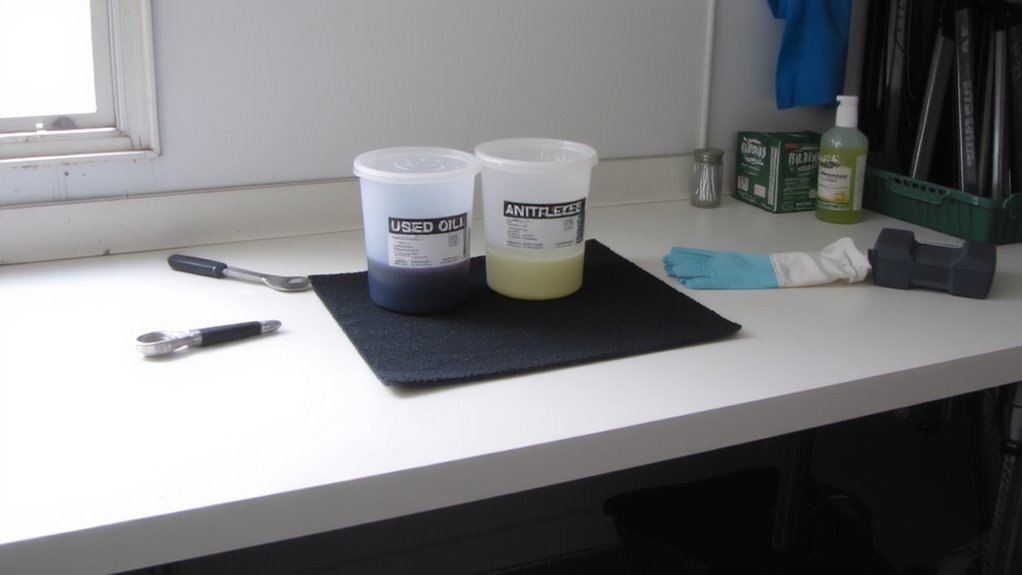
After collecting used oil, coolant, and brake fluid, you need to store them properly before disposal. Use only approved, leak-proof containers made from high-density polyethylene (HDPE) or steel with UL certification. Proper containers resist corrosion and prevent seepage-plastic jugs rated for fuel or oil work best. Never reuse food or drink containers; they increase contamination risk. Maintain label integrity by clearly marking each container with the fluid type and date collected. Labels should use permanent ink and include hazard warnings like “Used Motor Oil” or “Contaminated Coolant.” Store containers in a dry, covered area away from sunlight and extreme temperatures to prevent fluid breakdown. Keep them upright and secured to avoid spills. Segregate fluids to prevent chemical reactions. Coolant and brake fluid degrade quickly if exposed to moisture or air, so seal caps tightly. Proper storage guarantees safety and compliance until disposal.
Find Local Recycling for Motor Oil and Batteries
Where can you safely recycle used motor oil and old batteries? Local recycling centers, auto parts stores, and municipal facilities offer reliable options. Many provide oil pickup and battery drop off services at no cost. Check with your city’s waste authority or use online tools like Earth911 to find approved sites within 10 miles of your location.
| Service Type | What’s Accepted |
|---|---|
| Oil pickup | Up to 5 gallons used motor oil |
| Battery drop off | Lead-acid, AGM, and gel-cell types |
| Combined centers | Both oil and batteries on-site |
Used motor oil must be free of solvents and antifreeze to qualify. Batteries are collected in sealed plastic totem bins to prevent leakage. Recyclers reprocess oil into lubricants and recover 99% of lead from batteries. Always call ahead to confirm drop-off requirements.
Prepare Hazardous Waste for Drop-Off (Step-by-Step)
Now that you’ve located a recycling center for motor oil and batteries, the next step is getting the rest of your automotive fluids ready for safe disposal. Use only leak-proof, compatible containers designed for liquid storage-plastic jugs rated for petroleum or DOT-approved safety cans work best. Label containers clearly with the contents, such as brake fluid, transmission fluid, or antifreeze. Mislabeling risks contamination and violates handling regulations. Seal tightly with screw-on caps to prevent spills during transport. Store fluids away from sunlight and extreme temperatures to avoid degradation or pressure buildup. Keep containers upright and secure them in a tub or bin to contain leaks. Never mix different fluids-chemical reactions can occur, creating hazardous compounds. Transport materials promptly, ideally within 72 hours of collection. Proper packaging guarantees regulatory compliance and protects public health and the environment.
5 Dangerous Disposal Mistakes (And How to Avoid Them)
Why risk contaminating groundwater or violating environmental regulations? Improper mixing of automotive fluids-like combining antifreeze with brake fluid-creates hazardous chemical reactions that compromise storage integrity and increase toxicity. These mixtures can generate heat, pressure, or toxic fumes, posing serious safety risks. Never mix fluids; store each in its original, labeled container with a secure lid. Illegal dumping, even in small amounts, is a federal offense punishable by fines up to $25,000 per day. Pouring oil, coolant, or solvents onto soil or down drains allows contaminants like benzene and heavy metals to infiltrate aquifers. A single quart of motor oil can pollute 250,000 gallons of water. Use designated recycling centers certified by your state’s environmental agency. Confirm facility approval for each fluid type before drop-off. Always transport containers upright in spill-proof trays.
On a final note
You must never dump automotive fluids into drains or trash. Used motor oil contains heavy metals like lead and cadmium, persisting in ecosystems for years. Recycling one quart prevents 250,000 gallons of water contamination. Store fluids in sealed, labeled containers-HDPE jugs with UN 1H1 ratings resist leaks. Most counties accept up to five gallons per visit at certified collection centers. Proper disposal protects groundwater and complies with EPA regulations.