Maximizing Performance Through Proper Air Intake Filter Maintenance: Tips for Keeping Your Car’s Engine Running Smoothly With Cleaner, More Efficient Airflow
Your car’s engine relies on clean, unrestricted airflow to perform efficiently. A clogged air filter can reduce fuel economy by up to 10% and sap 11 horsepower by disrupting the air-fuel mixture. Replacing it takes under five minutes and restores peak combustion. Standard paper filters trap 90% of contaminants but clog faster; performance filters offer 35% more airflow and last up to 50,000 miles. Keep your engine breathing cleanly for maximum power and efficiency-there’s more to gain with smarter maintenance choices.
Notable Insights
- Replace your air filter every 12,000 to 15,000 miles to maintain optimal airflow and engine efficiency.
- Use a performance air filter made of oiled cotton gauze for up to 35% better airflow and reusable durability.
- Inspect the air filter monthly for visible dirt, debris, or clogging to prevent reduced engine performance.
- Clean the air filter housing when replacing the filter to avoid reintroducing contaminants into the intake.
- Ensure proper filter installation with the airflow arrow aligned to maximize combustion efficiency and fuel economy.
Is a Dirty Air Filter Hurting Your Car?
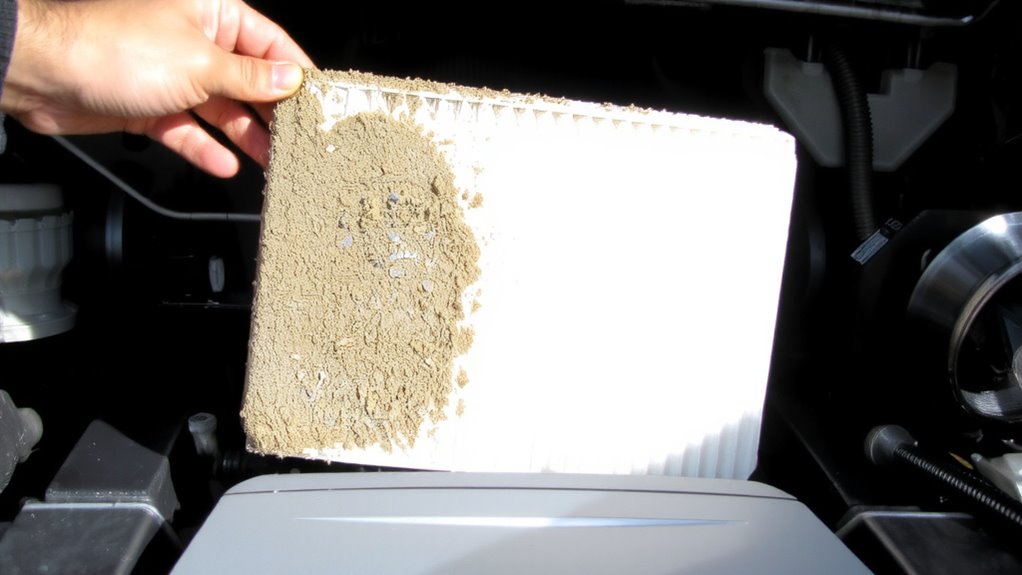
Could your car’s sluggish acceleration be tied to something as simple as a clogged air filter? Yes, a dirty air filter restricts airflow to the engine, forcing it to work harder. Proper airflow is critical for efficient combustion. Without it, performance drops and strain increases. Most manufacturers recommend replacing the air filter every 12,000 to 15,000 miles, or annually in dusty environments. A clean filter improves fuel economy by allowing ideal air-to-fuel ratios-up to 10% better in older vehicles. It also supports engine longevity by preventing abrasive debris like dust and dirt from entering sensitive components. Modern engines rely on mass airflow sensors that detect incoming air volume; a clogged filter skews these readings. Over time, this leads to carbon buildup and increased wear. Maintaining a clean air filter isn’t just about power-it’s about protecting your engine and maximizing efficiency. Upgrading to a high-flow air filter can further enhance airflow and performance, especially in modified or high-performance vehicles.
How a Clogged Filter Reduces MPG and Power
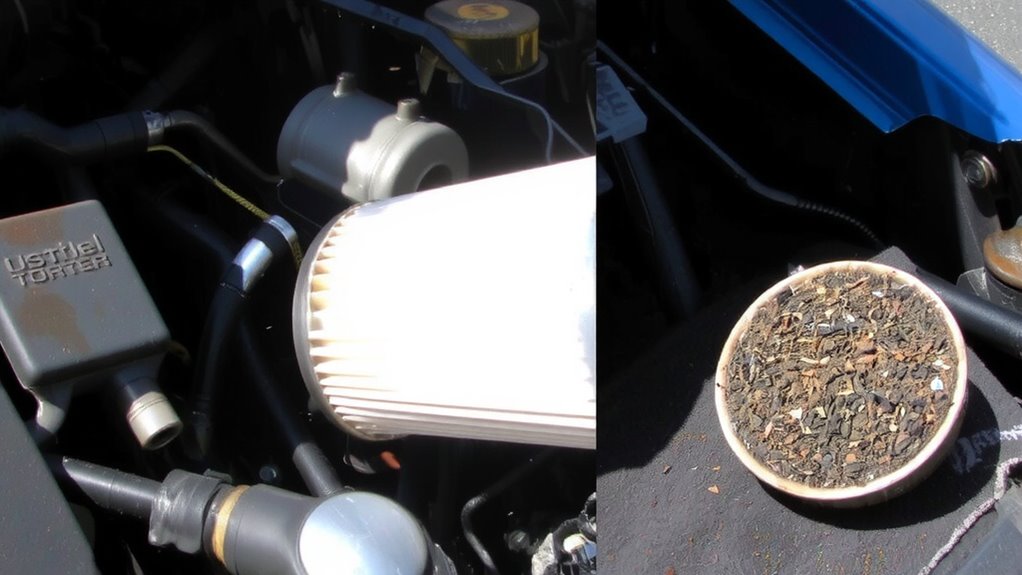
When airflow into your engine is restricted, performance and efficiency both take a hit-and a clogged air filter is one of the most common causes. Your car needs a precise air-fuel ratio to operate efficiently. A dirty filter limits oxygen supply, forcing the engine to work harder. This leads to horsepower loss and reduced fuel economy. Modern engines rely on sensors to adjust mixture ratios, but they can’t fully compensate. Even a partially blocked filter can cut MPG by up to 10%. Severe clogs may reduce horsepower by 6–11%.
| Condition | MPG Impact | HP Loss |
|---|---|---|
| Moderately clogged | -7% | -6 hp |
| Severely clogged | -10% | -11 hp |
| Clean filter | Best | None |
Restoring clean airflow improves combustion efficiency, boosting both fuel economy and power output immediately.
5 Signs You Need a New Air Filter
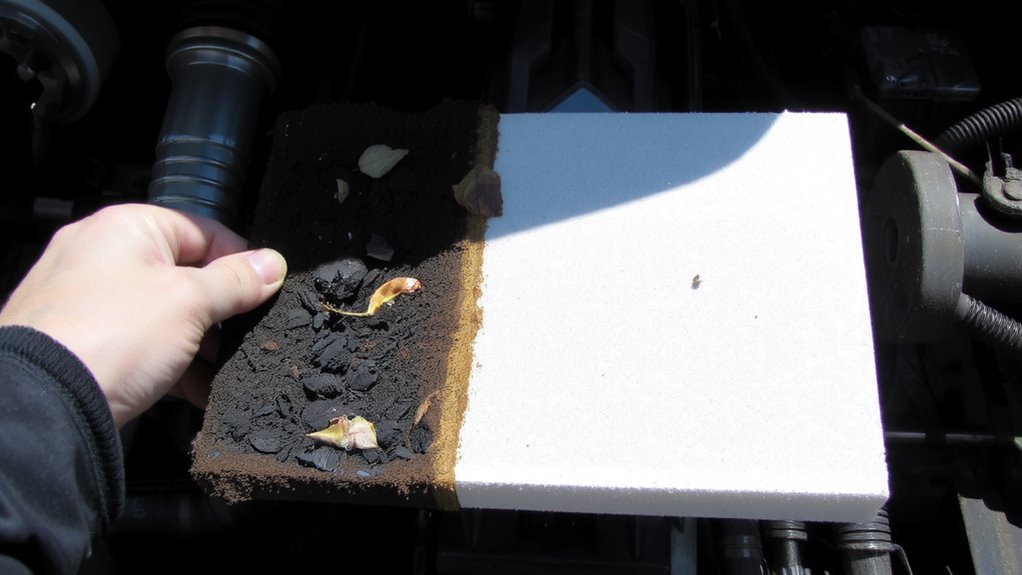
A dirty air filter can quietly degrade your vehicle’s performance-often without obvious warning. You may notice engine sputtering during acceleration, especially under load or at low RPMs, which indicates restricted airflow disrupting the air-fuel mixture. Modern engines rely on precise air metering; a clogged filter can reduce airflow by up to 30%, triggering fault codes or rough idling. Unusual odors, like fuel or burnt dust, often accompany a failing filter as unburned gasoline accumulates in the exhaust or contaminated air enters the intake. Black smoke from the tailpipe and visible dirt in the filter housing confirm the need for replacement. A typical paper filter lasts 12,000 to 15,000 miles under normal conditions, but urban driving or dusty environments cut that in half. Inspect it every 6,000 miles. Upgrading to a high-performance cold air intake can improve airflow and engine efficiency.
Replace Your Air Filter in 5 Minutes
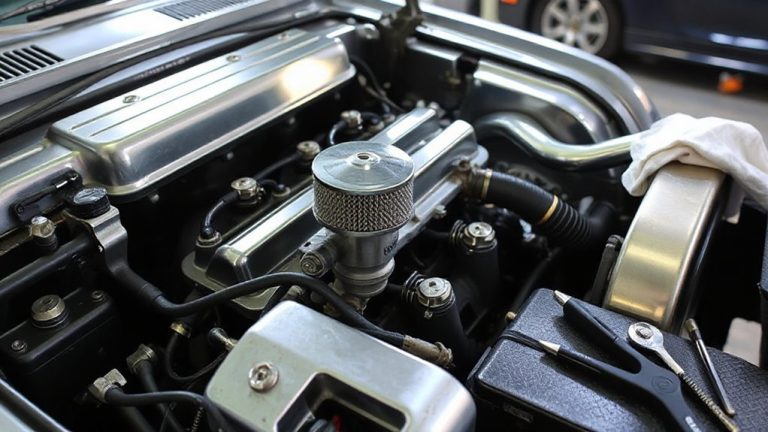
You already know the symptoms of a clogged air filter-from hesitant acceleration to black smoke at startup-so now it’s time to fix it. Replacing your air filter takes less than five minutes and restores ideal air flow to your engine. Locate the air filter housing near the throttle body, typically secured with clips or screws. Open the casing, remove the dirty filter, and insert the new one, ensuring it’s seated properly and aligned with the arrow indicating air flow direction. Most OEM filters measure 8” x 8” x 2” and fit common intake boxes. Use a damp cloth for a quick cleanup of debris inside the housing. Never reuse old filters. Proper installation prevents unfiltered air from damaging engine components. Regular replacement maintains combustion efficiency and protects essential sensors like the MAF. This simple maintenance boosts performance and fuel economy predictably.
Performance vs. Standard Filters: What’s Best?
What if your engine could breathe easier and perform better-just by upgrading a single $20 part? Performance air filters, designed for high performance racing and aggressive driving, increase airflow by up to 35% compared to standard paper filters. They’re made from oiled cotton gauze or synthetic media with multiple layers, trapping 98% of contaminants while maintaining low restriction. Standard filters use dry cellulose, clogging faster and reducing efficiency. Performance units are reusable, lasting 25,000–50,000 miles between cleanings with proper maintenance. Most are direct replacements, fitting OEM housings without modification. These filters are among the most cost-effective aftermarket upgrades, improving throttle response and potentially increasing horsepower by 3–5 HP in tuned engines. While not all drivers need maximum airflow, if you demand more from your engine, a performance filter delivers measurable gains without compromising protection.
Easy Habits to Keep Your Engine Breathing
Ever wonder why some engines just run smoother longer? It’s because you’re protecting air quality and extending filter lifespan with simple habits. Check your air intake filter every 12,000 miles-it only takes minutes. A clogged filter restricts airflow, reducing fuel efficiency by up to 10%. Replace it per your manufacturer’s schedule, typically every 15,000 to 30,000 miles, depending on driving conditions. For truck drivers, securing your device with a reliable top phone mount can help you stay focused on the road and maintain consistent driving habits that preserve engine performance.
| Habit | Benefit |
|---|---|
| Inspect filter monthly | Early detection of debris extends filter lifespan |
| Drive with closed windows in dusty areas | Preserves air quality inside intake system |
| Use OEM-spec filters | Guarantees proper fit and peak air quality |
Clean airflow means cleaner combustion. You’re not just maintaining a part-you’re safeguarding engine performance, efficiency, and longevity through consistent, smart upkeep.
On a final note
A clean air filter keeps your engine running efficiently. It guarantees maximum airflow-typically 10 to 15 cubic feet per minute-critical for combustion. Restricted airflow from a dirty filter reduces fuel economy by up to 10% and cuts horsepower. Replace standard paper filters every 12,000 to 15,000 miles. Performance filters, like oiled cotton gauze, flow 20–30% more air and last up to 50,000 miles with cleaning. Proper maintenance sustains engine longevity and performance.