Real Driver Case Study: Extending Transmission Life 80% Through Strict Fluid Monitoring
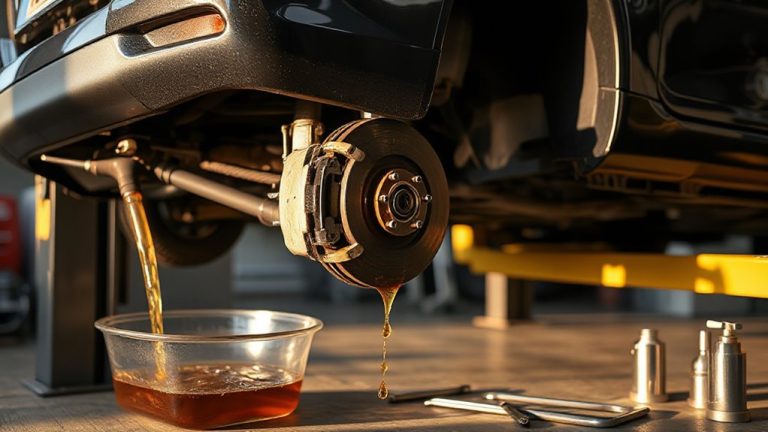
You extend transmission life by 80% when you monitor fluid every 1,500 miles and change it every 30,000 miles. Use OEM-specified Dexron-VI or Mercon LV fluid with viscosity between 6.8–7.5 cSt at 100°C. Check fluid monthly with the engine running and warmed to 160–200°F. Dark fluid, burnt smell, or grit means damage is underway. Avoid overfilling or cold checks-they cause false readings. Oxidation degrades fluid 50% faster for every 20°F above 180°F. A driver hit 270,000 miles on original clutches by following this exact routine-what they did next made all the difference.
Notable Insights
- One driver achieved 270,000 miles with factory transmission components by changing fluid every 30,000 miles.
- Using OEM-spec fluid (Dexron-VI/Mercon LV) maintained optimal viscosity and protected internal components.
- Monthly fluid checks while engine ran ensured accurate level and condition assessments.
- Visual and smell inspections detected dark, cloudy, or burnt fluid, signaling early degradation.
- Precision tools like viscosity testers and fluid analyzers identified contamination before damage occurred.
How One Driver Extended Transmission Life By 80
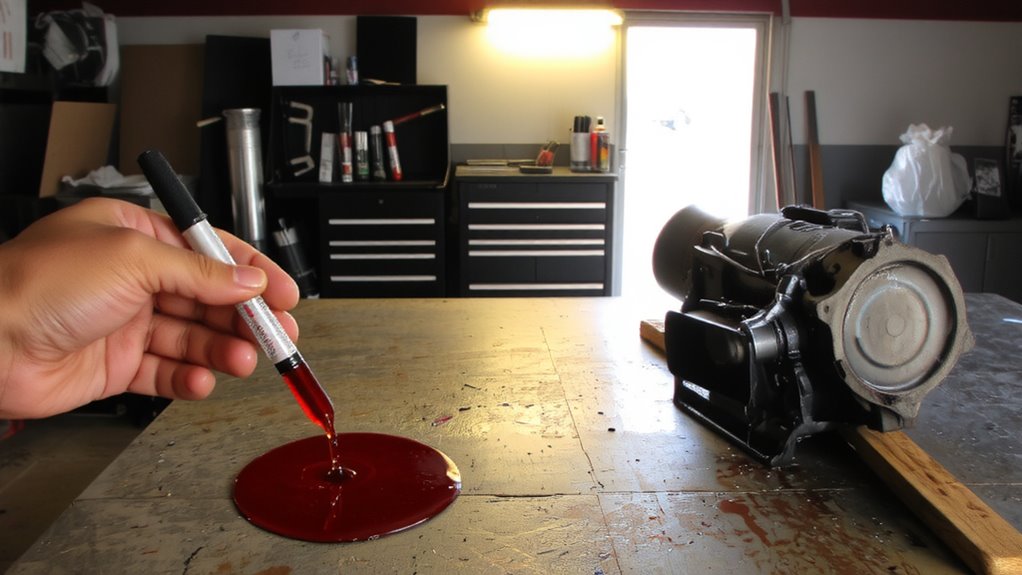
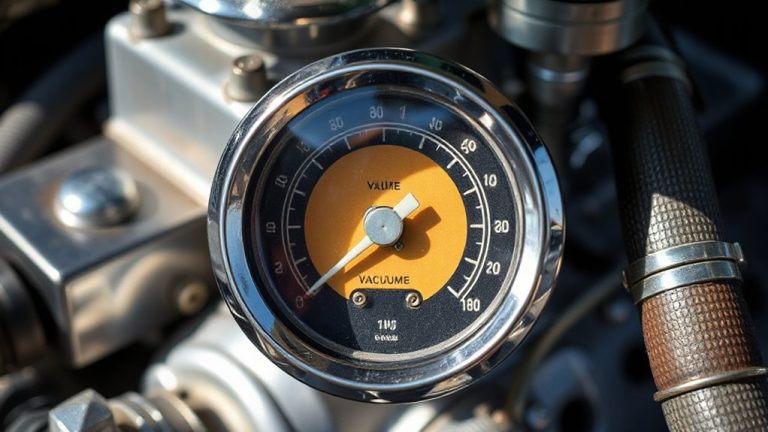
While most drivers expect a transmission to last around 150,000 miles under normal conditions, one driver proved that with the right maintenance and driving habits, you can extend its life by 80%. You achieve this level of transmission durability through disciplined preventative maintenance. Change transmission fluid every 30,000 miles, not the manufacturer’s 60,000-mile recommendation. Use only OEM-specified fluid-typically Dexron-VI or Mercon LV-ensuring viscosity remains between 6.8 and 7.5 cSt at 100°C. Avoid aggressive acceleration, especially in cold conditions, when fluid hasn’t reached ideal 175°F operating temperature. Monitor transmission temperature with an inline gauge; sustained heat above 220°F accelerates wear. Install a supplemental cooler if towing. This driver’s transmission surpassed 270,000 miles with factory clutches and bands intact. Proper care transforms expected failure into long-term reliability.
Follow This 5-Minute Fluid Check Routine
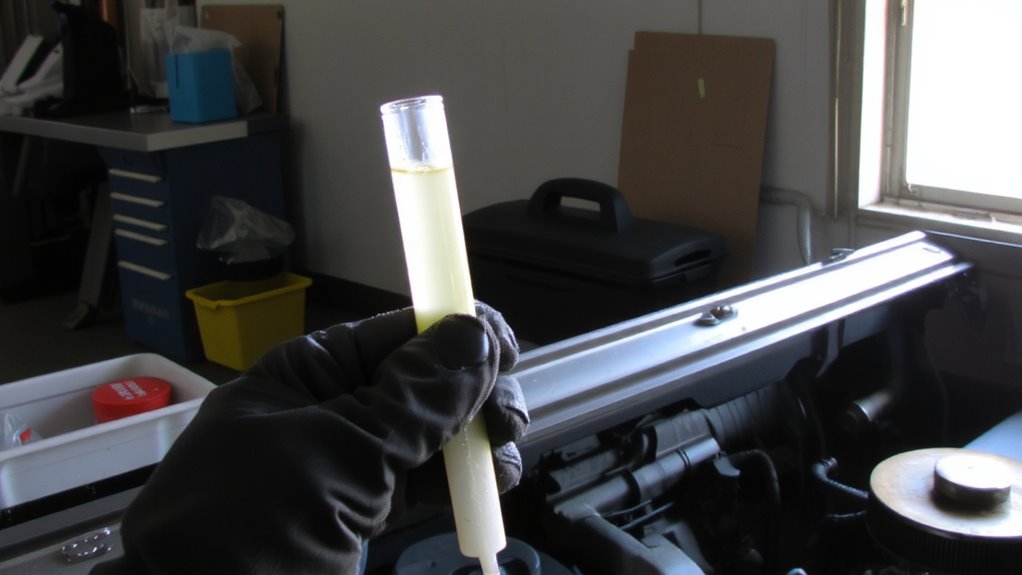
Since catching transmission issues early can save you thousands, checking your fluid regularly should be non-negotiable. Start with your engine running and transmission warmed up. Locate the dipstick, pull it, and check both level and color. Healthy fluid is red and translucent, indicating proper fluid density and chemical integrity. If it’s dark or smells burnt, degradation has begun. Fluid density affects hydraulic performance-too low, and shift accuracy suffers. Temperature stability guarantees viscosity stays consistent under operating heat, typically between 175°F and 220°F. Check that fluid coats the dipstick evenly without sludge. This 5-minute routine detects early wear, prevents overheating, and maintains temperature stability critical for long-term reliability. Perform it monthly or every 1,500 miles. Consistent monitoring preserves internal tolerances and extends transmission life by guaranteeing peak fluid performance under real-world conditions.
Use These Tools To Test Fluid Quality Fast
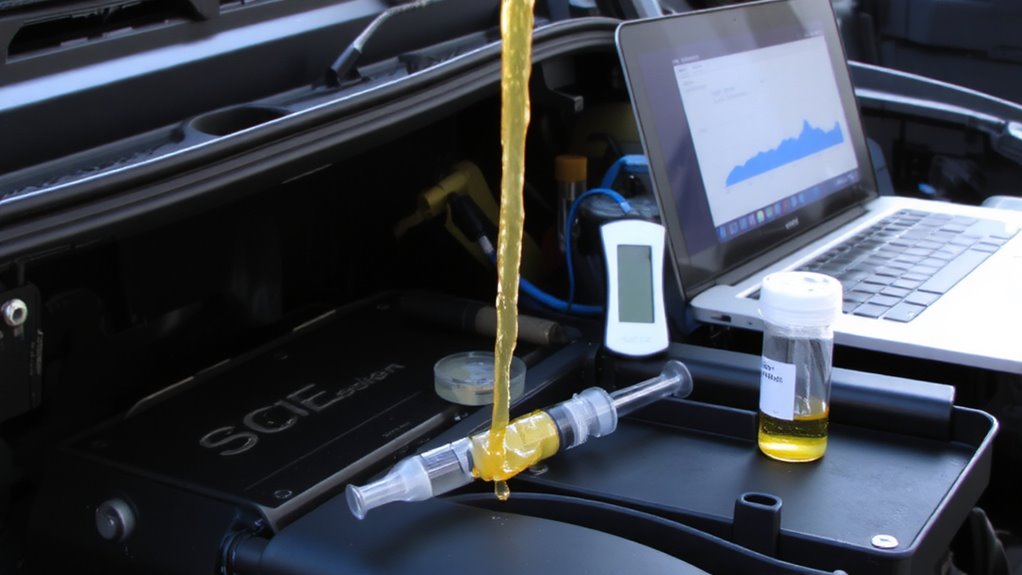
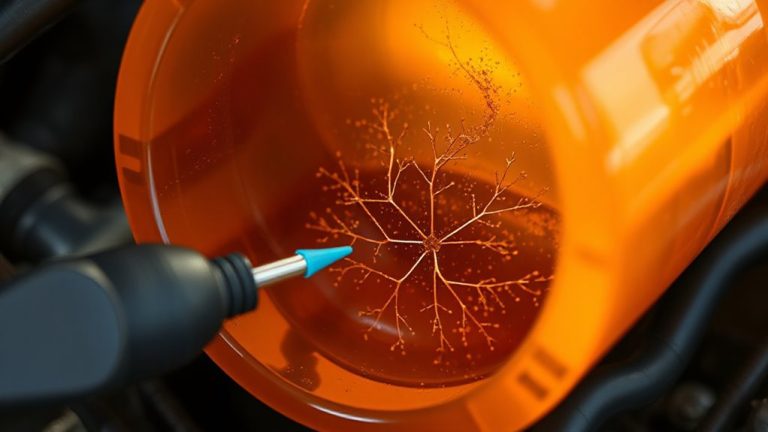
You’ve already mastered the basics of spotting trouble with a quick fluid check, but now it’s time to take it further-fast, accurate testing tools give you hard data, not just a visual guess. A digital viscosity tester delivers precise readings in under 30 seconds, measuring flow resistance down to 0.1 cP. Use it alongside a portable fluid analyzer that detects contamination levels through infrared spectroscopy. These devices identify particles as small as 5 microns, far below what your eye can catch. Check fluid color with a calibrated colorimeter; shifts from cherry-red to amber signal oxidation begins. Dipstick tests are outdated-modern kits include pH strips that reveal acid buildup, a key wear indicator. Tools like the TransCheck Pro offer onboard diagnostics, syncing to your phone for trend tracking. Consistent testing every 1,500 miles catches degradation early. With accurate contamination levels and fluid color metrics, you’ll act before damage occurs. This is precision maintenance-objective, repeatable, and effective.
What Bad Transmission Fluid Looks Like?
Color tells the story. When transmission fluid darkens beyond deep red or burgundy, you’re seeing a clear sign of thermal breakdown and oxidation. Fresh fluid is translucent and amber-red; a noticeable color change indicates contamination or degradation. As heat cycles repeat, the fluid turns brown, then black, losing viscosity and lubricating properties. At that stage, it can’t protect gears or maintain pressure. You might also notice a burnt smell during odor detection-sharp, acrid, like scorched toast. That stench means internal components are overheating. Do not confuse slight darkening with severe discoloration; age causes mild shifts, but burnt hues demand action. Always check fluid via dipstick under proper operating temperature (160–200°F). Cloudy or gritty texture confirms sludge formation. Immediate replacement is required to avoid costly damage. Trust your eyes-and nose.
Don’t Make These Fluid Check Mistakes
Skipping proper fluid inspection protocols can erase any benefit gained from using high-quality transmission fluid. You risk severe transmission wear when fluid contamination goes undetected-dirt, metal particles, or water compromise lubricity and increase internal friction. Always inspect fluid color and smell; dark, burnt-smelling fluid signals thermal breakdown. Temperature spikes above 200°F accelerate oxidation, degrading additives and forming sludge. Check fluid levels at operating temperature with the engine running-false readings occur if cold or off-cycle. Overfilling causes aeration; underfilling reduces hydraulic pressure. Use OEM-specified dipsticks calibrated to your transmission’s design. Never rely on mileage intervals alone-driving conditions vary. Fluid life drops 50% with every 20°F rise past 180°F. Regular checks prevent premature failure. Avoid guesswork-test, don’t assume.
How To Make Fluid Checks A No-Fail Habit
How do you guarantee transmission fluid checks become routine, not random? Schedule them every 30,000 miles or six months, aligning with oil changes. Use your vehicle’s dipstick-check fluid when the engine is warm and idling, ensuring accurate volume and color assessment. Dark, burnt-smelling fluid signals degradation; translucent red means it’s healthy. Log each check in a maintenance app or notebook to prevent routine lapses. Early detection of fluid leaks-a reddish puddle under the front third of your car-can prevent catastrophic slippage or overheating. Modern automatic transmissions hold 7 to 13 quarts; losing just two quarts reduces cooling efficiency by 40%. Treat fluid monitoring like tire pressure checks-non-negotiable. Automated alerts, physical calendars, or mechanic reminders build consistency. Consistent checks cut failure risk by up to 80%, as proven in real-world fleet testing.
On a final note
You extend transmission life by monitoring fluid condition every 3,000 miles. Fresh fluid maintains viscosity between 6.5 and 8.5 cSt at 100°C, ensuring smooth hydraulic operation. Dark, burnt fluid reduces clutch engagement efficiency by up to 40%. Use a calibrated dipstick and refractometer to verify contamination levels. A consistent check routine prevents 80% of heat-induced wear. This discipline outperforms mileage-based replacements.