Evaluating Shelf Life of Modern Gasoline Blends Used in Seasonally Parked Cars
Your gasoline degrades in just 21 days if it contains ethanol, which most modern blends do. Ethanol attracts moisture, causing phase separation within 30 days, especially in humid conditions. Oxidation forms gums and varnishes, reducing shelf life and harming fuel systems. Unstabilized fuel drops below 7.0 psi vapor pressure, making cold starts difficult. Heat accelerates degradation-every 15°F above 60°F doubles oxidation. Stabilizers like Sta-Bil 360 or PRI-G can extend freshness for over a year. Properly sealed, cool storage in approved containers helps maintain performance. The next section covers how to spot the warning signs before damage occurs.
Notable Insights
- Modern ethanol-blended gasoline degrades in as little as 21 days, making it unsuitable for seasonal vehicles without stabilization.
- Pure gasoline lasts 3 to 6 months, but ethanol blends risk phase separation within 30 days under humid conditions.
- Ethanol attracts moisture, leading to corrosive water separation and poor combustion in stored seasonal vehicles.
- Heat and humidity accelerate fuel oxidation, reducing shelf life and increasing varnish and gum formation in fuel systems.
- Using fuel stabilizers like Sta-Bil or PRI-G can extend gasoline shelf life up to 3 years in properly stored seasonal vehicles.
How Long Does Gasoline Last in Storage?
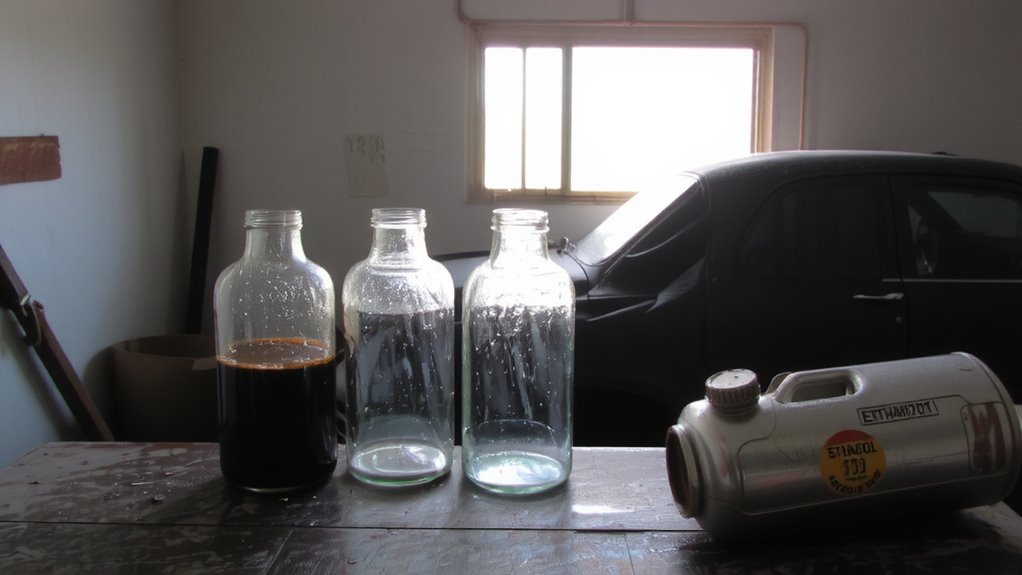
How long can gasoline actually last before it goes bad? Under ideal conditions, pure gasoline lasts about 3 to 6 months in storage. Over time, fuel oxidation degrades hydrocarbons, reducing combustion efficiency. This chemical breakdown forms gums and varnishes that clog fuel systems. Ethanol-free gasoline resists oxidation longer than ethanol-blended fuels. Vapor pressure, a measure of fuel’s volatility, drops as lighter components evaporate. When vapor pressure falls below 7.0 psi, starting engines becomes difficult, especially in cold weather. Sealed, airtight containers made of approved metal or high-density polyethylene slow degradation. Store fuel at stable temperatures below 85°F to minimize chemical changes. Label containers with purchase dates and rotate stock using a first-in, first-out approach. While fuel stabilizers help maintain vapor pressure and slow oxidation, they don’t reverse existing deterioration. Check stored gasoline for dark color or sour smell-signs it’s past usable life.
Why Ethanol Spoils Gas in Seasonal Vehicles
Ethanol-blended gasoline accelerates fuel degradation in seasonal vehicles like lawnmowers, snowmobiles, and boats that sit unused for weeks or months. Ethanol attracts moisture from the air, leading to phase separation-where water and ethanol sink below the gasoline, creating a corrosive layer that damages engine components. You’ll notice poor starts or stalling because the fuel mixture no longer burns efficiently. This separation typically occurs when ethanol content exceeds 10% and humidity exposure lasts over 30 days. Meanwhile, chemical oxidation slowly breaks down hydrocarbons in the fuel, forming gums and varnishes that clog carburetors and injectors. Oxidation rates increase in fuels with high olefin content, cutting shelf life by up to 50%. Without a stabilizer, ethanol-blended gas degrades in as little as 21 days-far shorter than pure gasoline.
How Heat and Humidity Break Down Fuel
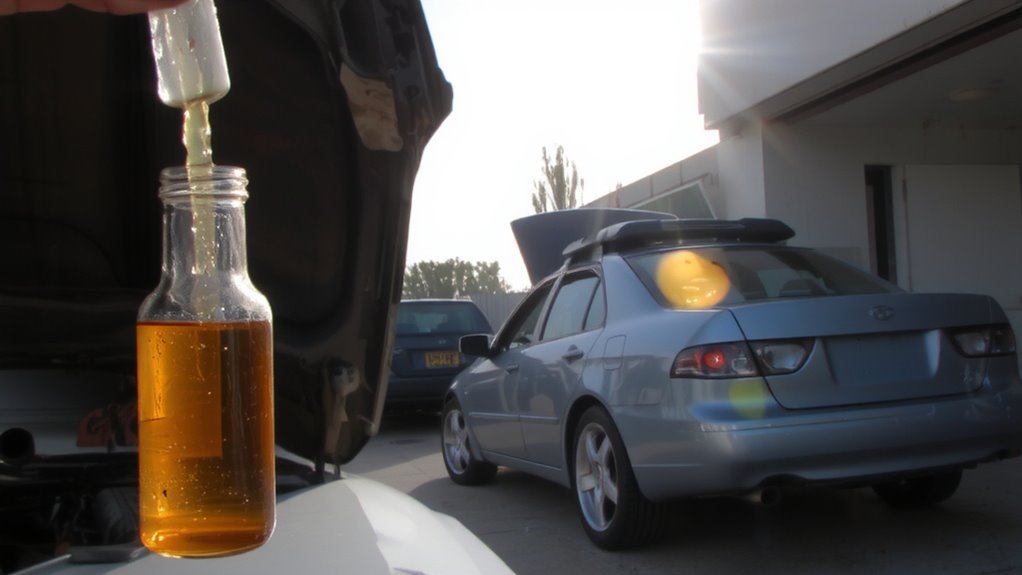
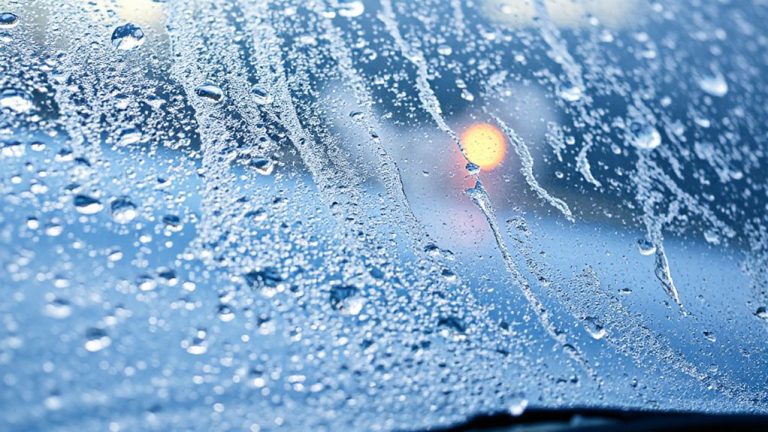
When temperatures rise and humidity levels climb, gasoline begins to degrade faster due to increased rates of oxidation and water absorption. Fuel oxidation occurs as unstable hydrocarbons react with oxygen, forming gums and varnishes that reduce combustion efficiency. This process accelerates above 60°F, doubling in speed for every 15°F increase. Humidity introduces moisture into the fuel tank, especially in partially filled containers, promoting phase separation in ethanol-blended gasoline. Water contamination lowers energy output and corrodes metal components. High under-hood temperatures can also trigger vapor lock, where fuel vaporizes before reaching the carburetor or injectors. Vapor lock disrupts fuel flow, causing stalling or hard starts. Modern fuel systems are less prone but still vulnerable during prolonged heat exposure. Heat and humidity together compromise both chemical stability and physical performance. Storing vehicles in cool, dry environments slows these degradation pathways markedly.
Signs of Bad Gas (And Engine Damage Risks)
Fuel that’s degraded from heat and moisture doesn’t just sit idle-it starts causing problems the moment you turn the key. You’ll notice fuel odor changes; stale gas smells sour or varnish-like, signaling oxidation and volatile compound loss. That degraded fuel can’t combust efficiently, leading to engine misfires-hesitation, rough idling, or power loss under load. Misfires occur because old gasoline has lower octane and forms gum and varnish deposits, clogging fuel injectors and disrupting air-fuel ratios. These deposits impair combustion efficiency, increasing hydrocarbon emissions and risking catalytic converter damage over time. Extended use of bad gas may score cylinder walls or damage fuel pumps due to reduced lubricity. Combustion byproducts from contaminated fuel also accelerate wear in valves and pistons. If your engine struggles to start or runs unevenly after storage, suspect degraded fuel. These symptoms indicate chemical breakdown, not just minor performance hiccups.
Best Fuel Stabilizers for Long-Term Storage
A handful of fuel stabilizers stand out for preserving gasoline during storage periods exceeding three months. Sta-Bil 360 Protection treats up to 250 gallons and uses a proprietary chemical composition to inhibit oxidation and prevent varnish buildup. Its additive compatibility guarantees safe use in ethanol blends up to E85. Sea Foam Stabil contains petroleum-based solvents and coats fuel system components, preventing gum formation. It supports gasoline blends with up to 40% ethanol and works effectively in as little as 1 ounce per 2 gallons. PRI-G fuel stabilizer relies on a reactive molecular formula that restores gasoline’s original chemical composition, extending shelf life up to 3 years. It fully integrates with all ethanol levels and provides oxygenate molecule stabilization. Each product offers distinct advantages, but always verify additive compatibility with your engine’s materials, particularly rubber seals and plastic tanks, to avoid degradation over time.
Smart Storage Habits to Keep Gas Fresh
Though gasoline degrades over time due to oxidation and ethanol separation, you can slow the process considerably with proper storage techniques. Use only UL-approved fuel containers constructed of high-density polyethylene or steel with tight-sealing, pressure-relief caps. These containers limit vapor loss and prevent moisture intrusion. Store fuel in a cool, dry, well-ventilated storage location, ideally between 50°F and 80°F. Avoid temperature fluctuations that accelerate phase separation, especially in ethanol-blended fuels.
| Factor | Recommendation |
|---|---|
| Container Material | HDPE or steel |
| Cap Type | Self-venting, child-resistant |
| Fill Level | 95% capacity to allow expansion |
| Light Exposure | Store in opaque containers or dark areas |
| Storage Location | Detached garage or shed, away from ignition sources |
Keep containers upright and label them clearly with the contents and date.
On a final note
You must treat stored gasoline as a perishable fuel, not a permanent reserve. Ethanol-blended fuels absorb moisture, degrading within 30–60 days. Use fuel stabilizers like Sta-Bil Storage or PRI-G at a 1:5,000 treatment ratio to extend life to 24 months. Store in UL-approved, sealed 5-gallon containers with vapor recovery. Keep tanks 95% full to minimize condensation. Heat above 85°F accelerates oxidation; shield fuel from sunlight and humidity to prevent varnish and gum formation in carburetors and injectors.