Turbo Timer Guide: Do You Need One or Just Idle 60-90s?
You need a turbo timer only if you regularly drive hard, as it keeps your engine running 60–180 seconds post-shutdown to circulate oil and cool the turbo. Turbos spin over 100,000 RPM and can suffer oil coking without proper cooldown. Modern cars often have electric coolant pumps that run up to 15 minutes after shutdown, reducing the need. Aftermarket units like HKS or AEM offer precise timers with safety sensors. Idling 60–90 seconds naturally achieves similar protection. There’s more to discover about optimizing cooldown without added electronics.
Notable Insights
- Turbo timers keep engines running post-drive to cool turbos and prevent oil coking.
- Modern cars use electric pumps and advanced materials to reduce cooldown needs.
- Aftermarket timers from AEM, HKS, and Greddy offer programmable, safe cool-down cycles.
- Idling 60–90 seconds after hard driving allows natural heat dissipation without devices.
- Gradual throttle reduction and sustained low RPM help cool turbos safely post-load.
What Is a Turbo Timer: and Do You Need One?
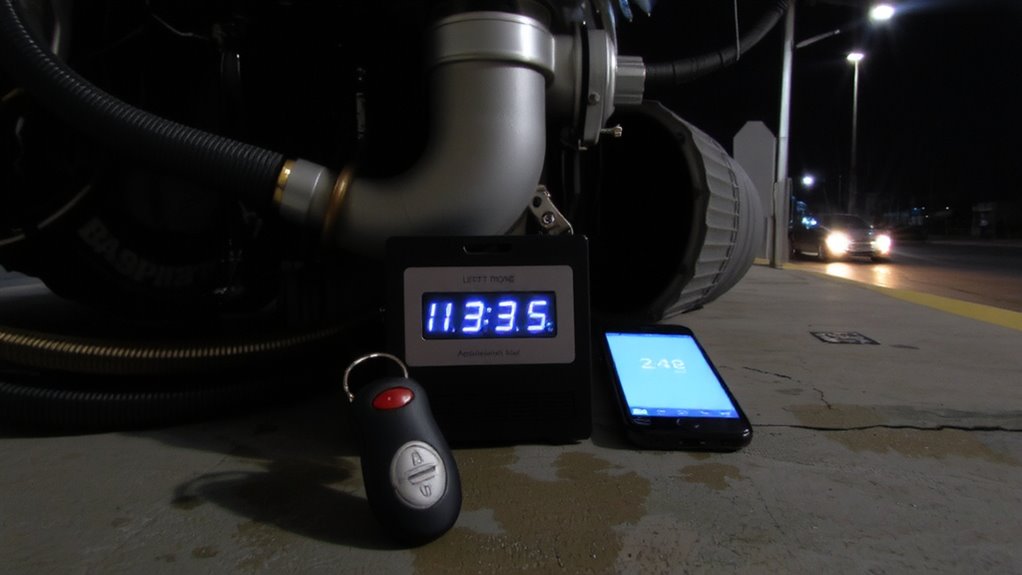
Why let your turbocharged engine suffer just because you’ve turned off the key? A turbo timer keeps your engine running for a set period after shutdown, allowing oil to circulate and cool the turbocharger. This prevents oil coking and bearing damage caused by heat soak. Turbo lag and the boost threshold aren’t just performance metrics-they reflect how quickly the turbo responds and the RPM needed to generate boost. High-performance turbos spin over 100,000 RPM and reach temperatures above 900°C. Without proper cooldown, thermal stress damages components. A turbo timer typically runs the engine 2–5 minutes post-drive, depending on driving intensity. Originally factory-installed on some 1990s JDM models, modern alternatives like electronic modules offer programmable timing. While not essential for light driving, it adds protection after hard runs. It’s a small device with a big role in longevity-think of it as an insurance policy for your turbo.
When Turbo Cool-Down Actually Matters
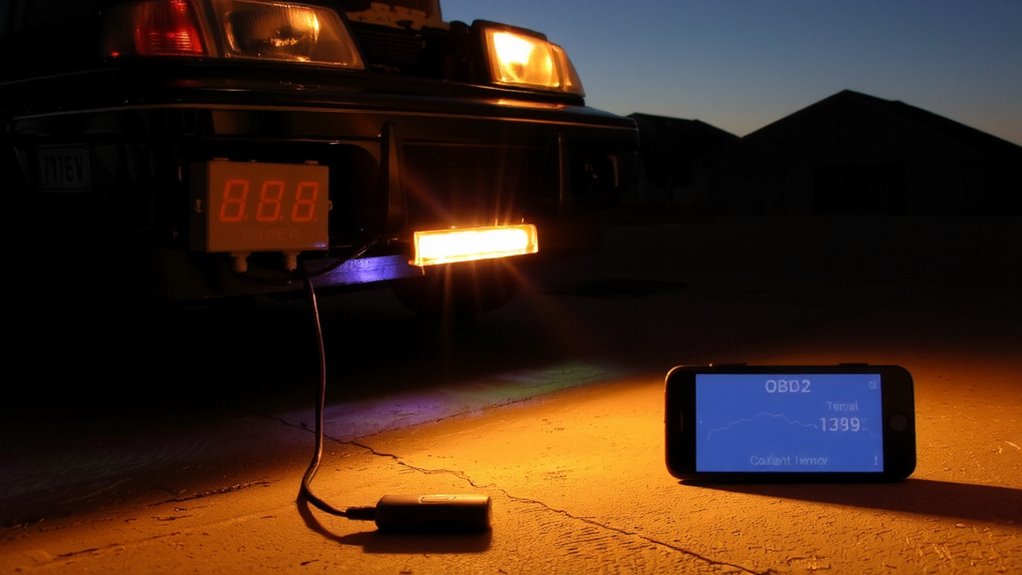
While not every drive demands a cooldown, letting your turbocharged engine idle after hard use can prevent long-term damage. High-performance driving pushes turbo efficiency to its limit, generating exhaust gas temperatures exceeding 1,000°C. When you shut off the engine immediately, oil stops circulating, leaving the turbo’s bearings exposed to residual heat. This accelerates oil coking and leads to heat soak-where heat migrates into the turbo housing and surrounding components, degrading performance and lifespan. Idling for 60 to 90 seconds allows coolant and oil to dissipate heat, maintaining structural integrity. Track use or sustained high RPM increases cooldown necessity. Street driving under moderate loads typically doesn’t require it. The risk isn’t immediate failure but cumulative wear. Preserving turbo efficiency means managing thermal cycles. Proper cooldown isn’t about convenience-it’s a technical requirement under high-stress operation.
Do Modern Cars Need a Turbo Timer?
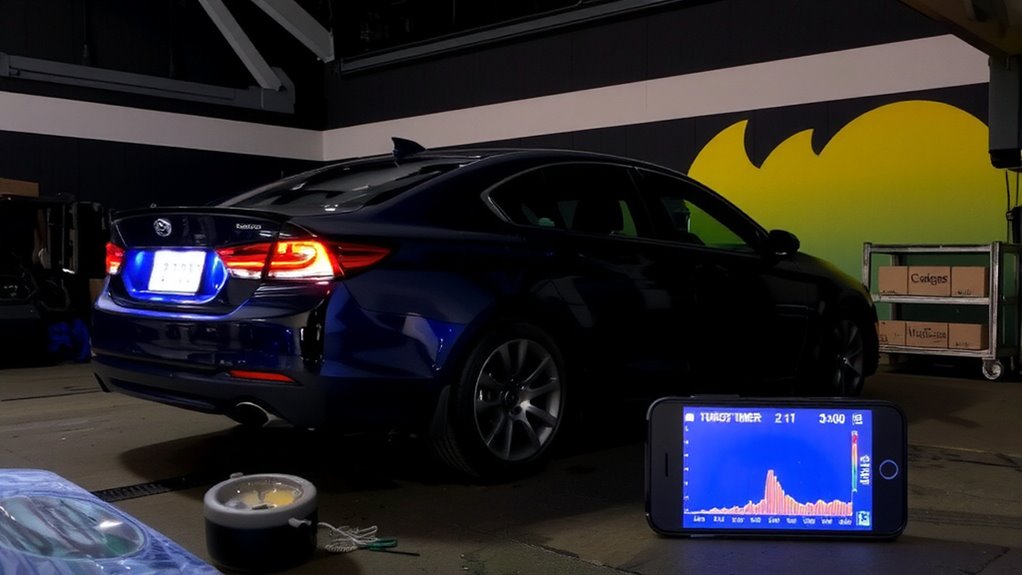
Modern turbocharged engines are designed with thermal management in mind, so you don’t always need a turbo timer. Most current models use advanced cooling systems that continue circulating coolant after shutdown, reducing heat soak. This maintains turbo efficiency and minimizes oil coking. Turbochargers spin over 100,000 RPM; without proper cooling, residual heat degrades oil, increasing engine wear. Manufacturers account for this with electric coolant pumps that operate up to 15 minutes post-ignition. These systems eliminate the need for idling. Short drives followed by immediate shutdown rarely cause damage thanks to improved materials and design. However, after sustained high-load driving, allowing a brief idle period still helps. While a turbo timer can assist, it’s not essential in modern setups. Your engine’s built-in safeguards already protect critical components under most conditions.
Best Aftermarket Turbo Timers: Reliability Compared
If you’re pushing your turbocharged engine hard and want extra protection beyond factory systems, an aftermarket turbo timer can offer peace of mind. Top Turbo Timer Brands like AEM, HKS, and Greddy provide precise cooldown cycles, typically 60 to 180 seconds, preventing oil coking in turbo bearings. HKS’s model features a digital display and adjustable timing with 1-second increments, ensuring accuracy. AEM units integrate with tach and oil pressure sensors for fail-safe shutdown. Greddy’s system includes temperature compensation, extending idle time if the engine runs hotter. When following Timer Installation Tips, always splice into ignition-switched power and ground to the chassis to avoid electrical noise. Installation usually takes 1–2 hours with basic tools. Reliable timers draw less than 50mA, minimizing battery drain. These systems work seamlessly with factory ECUs, preserving warranty status in most cases.
Easy Driving Tips to Cool Your Turbo Naturally
After a hard pull through the upper RPM range, letting your turbocharged engine idle for 30 to 60 seconds before shutting it down gives the turbo assembly time to cool down safely. This reduces heat soak, where residual temperatures in the turbine housing can degrade oil and damage bearings after shutdown. You don’t need a turbo timer if you moderate your driving. Ease off boost gradually during your final minutes of driving. Maintain light throttle input and keep engine speed above idle but below 2,500 RPM. This moves heat away from the turbo while maintaining oil flow. Reduced turbo lag during subsequent starts indicates healthy spool and cooling. Avoid abrupt shutdowns-especially after sustained high-load runs. Heat soak buildup over time shortens turbo life. Letting airflow and oil circulation naturally dissipate heat is efficient, reliable, and cost-free.
How Long to Idle to Protect Your Turbo?
While your driving intensity directly affects how long your turbo needs to cool, a good rule of thumb is to idle for 30 to 60 seconds after hard acceleration or sustained boost. This brief cooldown reduces heat soak, allowing oil to circulate and cool the turbo’s center section. Without it, trapped heat can bake residual oil, forming carbon deposits that increase engine wear. Turbochargers operate beyond 300°F, and temperatures can spike over 1,500°F under load. Immediate shutdown risks oil coking in the bearing housing, damaging seals and shafts. Idling restores thermal equilibrium. For consistent high-performance use, extend idle to 90 seconds. Short cool-down periods are less effective, especially in stop-and-go traffic where airflow is limited. A turbo timer automates this process, ensuring precise cooldowns without relying on memory. It’s a simple fix to prevent long-term damage.
On a final note
You don’t need a turbo timer in most modern cars. Engine control units in post-2010 turbocharged vehicles manage cool-down automatically through post-shutdown oil pump circulation. Turbos spinning at 150,000 RPM require 30–60 seconds of idle to stabilize thermal gradients. Instead of aftermarket timers, simply idle for one minute after hard driving. This prevents oil coking and bearing damage. Natural cooldown via light driving pre-park works equally well.