Why Stretched Tire Look Requires Proper Wheel Width and Offset
You need the right wheel width and offset to achieve a safe, stable stretched tire look. Mounting a tire too narrow for the wheel-like a 225mm on a 9-inch wide rim-risks bead failure and sidewall collapse. Ideal fitment keeps the tire 10–20mm narrower than the wheel, such as a 255mm tire on a 10-inch wheel. Proper offset (+25mm to +35mm) centers the wheel, preventing fender rub and uneven wear. Matching these specs guarantees stability, grip, and long-term safety under load. More details on best pairings follow.
Notable Insights
- Proper wheel width ensures the tire maintains structural integrity without excessive sidewall stress.
- Correct offset prevents fender rubbing and maintains even suspension loading.
- Staying within manufacturer rim width specs avoids bead unseating and blowout risks.
- Balanced stretch enhances aesthetics while preserving contact patch grip and tread wear.
- Ideal offset range (+25mm to +35mm) supports a flush fit and straight sidewall alignment.
What Is a Stretched Tire Look: and Is It Safe?
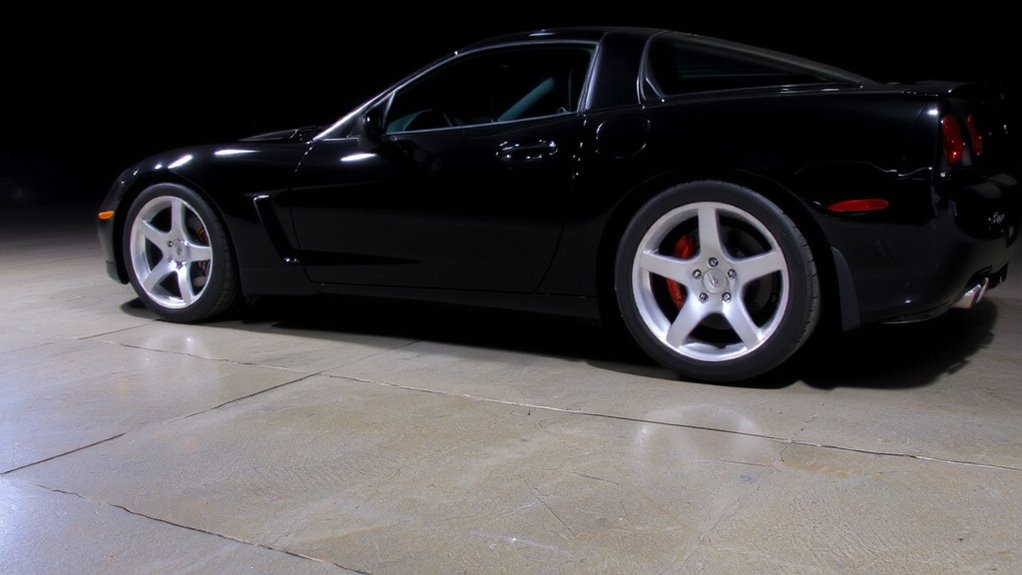
A stretched tire look occurs when a tire is mounted on a wheel wider than the manufacturer’s recommended width, creating a taut, flat appearance along the sidewall. You achieve this by fitting tires narrower than intended for the wheel, often seen in modified or show vehicles. Tire pressure must be carefully monitored; underinflation increases sidewall stress and reduces heat dissipation. Overinflation can accelerate center tread wear due to excessive crown pressure. Incorrect fitment leads to uneven tread wear, especially on the inside and outside edges. The tire’s contact patch distorts, reducing grip and increasing hydroplaning risk. Structural integrity may degrade over time due to sidewall strain. While some clearance and aesthetic benefits exist, mechanical load limits remain unchanged. This setup demands disciplined maintenance. Safety depends on precise tire pressure management and frequent tread wear inspection to prevent premature failure. Choosing the right tire for your wheel setup is crucial, and consulting a reliable top tire picks guide can help ensure compatibility and performance.
How Wide Should Your Wheels Be for Stretched Tires?
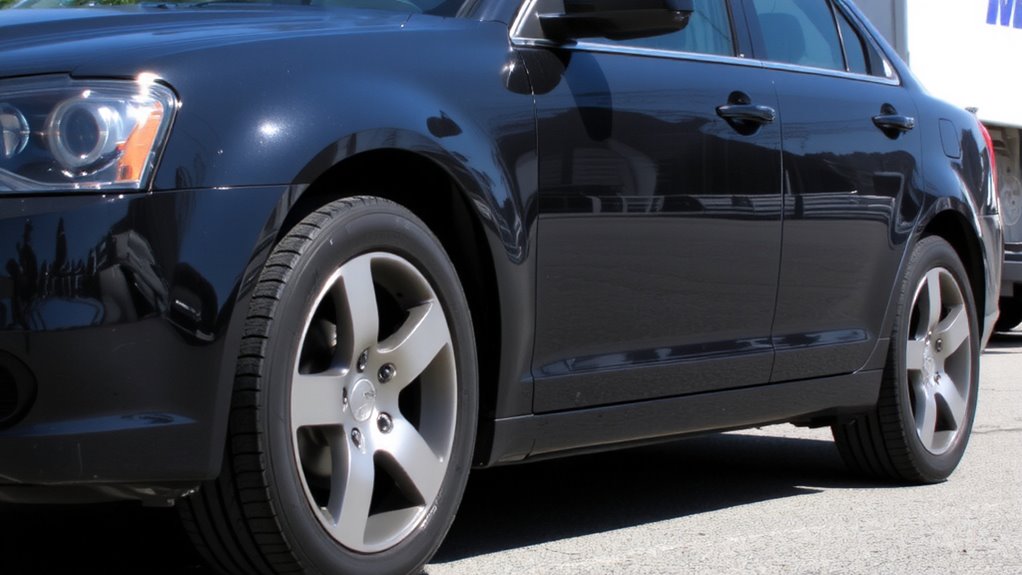
Most enthusiasts aiming for the stretched tire look choose wheels at least 1 to 2 inches wider than the tire’s tread width, but staying within the tire manufacturer’s minimum rim width recommendation is critical. You risk sidewall damage or bead failure if you go too narrow. For example, a 225mm-wide tire typically has a minimum rim width of 7 inches; mounting it on an 8.5- or 9-inch wheel creates stretch. The tire compound plays a key role-softer compounds conform better to wide rims, improving grip and appearance. Heat cycling helps the tire adapt to the rim shape, stabilizing the sidewall under load. Always verify load ratings and sidewall tolerances. Never exceed the wheel’s maximum safe width as defined by the tire’s specs. Proper stretch enhances handling; excessive stretch compromises safety and longevity. Stick to manufacturer guidelines to balance visual appeal with performance.
Why Offset Matters for Stretched Tire Fitment
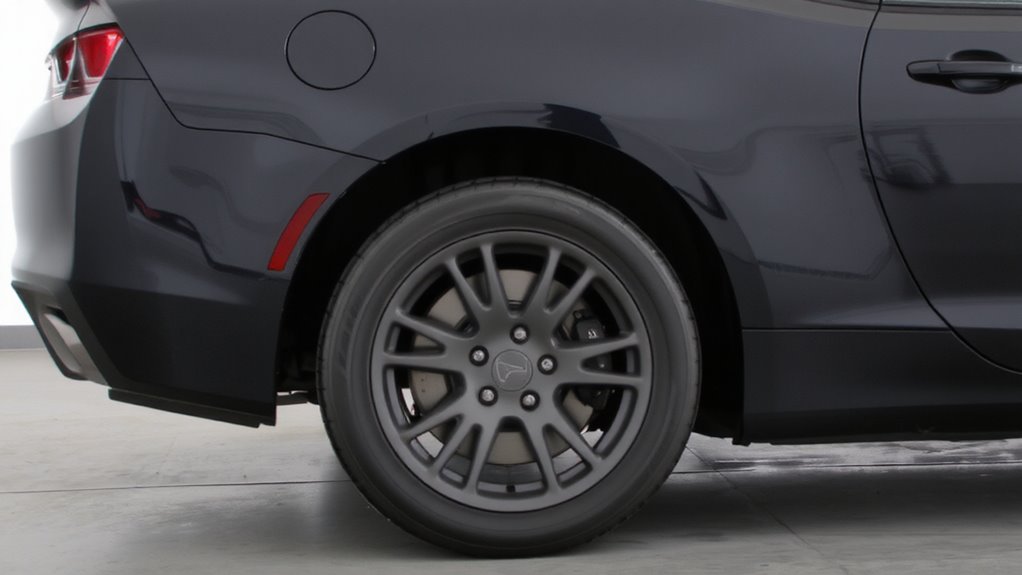
You’ve picked the right wheel width to achieve that tight, stretched tire look-now it’s time to make sure those wheels sit in the correct position within the fender wells. Offset determines how far your wheel mounts in or out from the suspension hub. Too low an offset pulls the wheel outward, risking fender rub and overstressing suspension components. Too high tucks the wheel in, increasing the wheel gap and making the setup look recessed. A proper offset ensures the tire sidewall remains straight and evenly loaded, avoiding weak spots from uneven stress. It also maintains ideal scrub radius and steering response. For a stretched fit, typical offset ranges vary between +25mm to +35mm for most 8- to 9-inch wide wheels. Correct offset minimizes wheel gap while centering the tire within the fender, giving the clean, flush stance you want-without compromising safety or tire wear.
How to Match Tires to Wheels for a Stretched Look
While achieving a stretched tire look depends on more than just size, matching the right tire to your wheel width is the critical next step after setting the proper offset. You need a tire section width at least 10–20mm narrower than the wheel’s outer width for a safe stretch. For example, a 255mm-wide tire fits well on a 10-inch (254mm) wheel. Softer tire compound enhances sidewall deformation, improving the tucked look without risking bead lock. Stiffer compounds resist shaping and may not conform evenly. Wheel material also matters-lightweight forged aluminum holds tolerances better than cast, reducing the risk of uneven seating. Always stay within the manufacturer’s minimum recommended width. A 245mm tire on a 10.5-inch wheel is acceptable; going beyond risks blowouts. Match specs carefully, prioritize safety, and verify fitment with a professional. Upgrading to high-performance best street tires can further enhance grip and appearance while maintaining safety margins.
Common Stretched Tire Mistakes (And How to Avoid Them)
A common mistake when pursuing a stretched tire look is selecting a tire too narrow for the wheel width, which can lead to sidewall collapse under load and loss of control. You risk tire sidewall cracking from excessive stress, especially during cornering or impacts. Always stay within the manufacturer’s recommended tire-to-wheel width ratio-typically no more than 10–20mm narrower than the wheel. Improper bead seating is another danger; if the tire doesn’t seal fully on the rim, it can fail catastrophically at speed. Use a professional tire machine and proper mounting techniques to guarantee secure bead lock. Avoid extreme negative offsets that shift load unevenly across the tire. They increase inner sidewall strain and accelerate wear. Match your setup to DOT or ETRTO standards to maintain safety and performance. A stretched look shouldn’t compromise structural integrity. Check fitment with a loaded radius measurement to confirm clearance and alignment.
On a final note
You must match wheel width and offset precisely to achieve a safe stretched tire look. Wheel width dictates sidewall tension; going too narrow risks bead unseating. Offset determines clearance; incorrect values cause rubbing or suspension interference. Always stay within manufacturer-recommended tolerances. A 225mm tire on an 8-inch wide wheel is typical. Never exceed a 10mm deviation from stock offset without verification. Safety depends on proper fitment, not just aesthetics.