Using Protective Tape on Rotor Hats During Transport to Prevent Galvanic Corrosion
You prevent galvanic corrosion on aluminum rotor hats by applying dielectric protective tape during transport. This tape breaks the electrical circuit between dissimilar metals like aluminum and steel. Use a 5–7 mil polyethylene-backed tape with acrylic adhesive, ensuring 50% overlap and 15–20 psi adhesion pressure. It blocks moisture, salt, and electron transfer that drive corrosion. Proper application at 60°F–100°F ensures long-term protection. Choose ASTM D3330-compliant tape for reliable performance. There’s more to optimizing this process effectively.
Notable Insights
- Use non-conductive protective tape to break the electrical circuit between aluminum hats and steel rotors during transport.
- Choose tape with polyethylene backing and acrylic adhesive for reliable moisture and corrosion resistance.
- Apply tape at temperatures between 60°F–100°F to ensure proper adhesive activation and bond strength.
- Overlap tape layers by 50% to prevent edge lifting and ensure complete coverage against electrolytes.
- Avoid PVC tapes and non-specialized products that risk residue or fail to meet ASTM D3330 standards.
What Causes Galvanic Corrosion on Rotor Hats
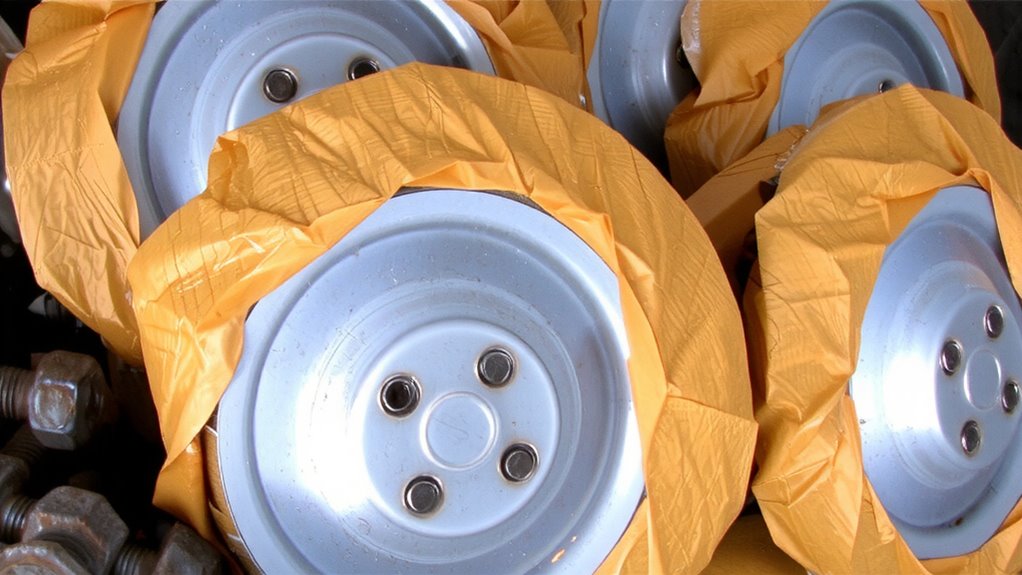
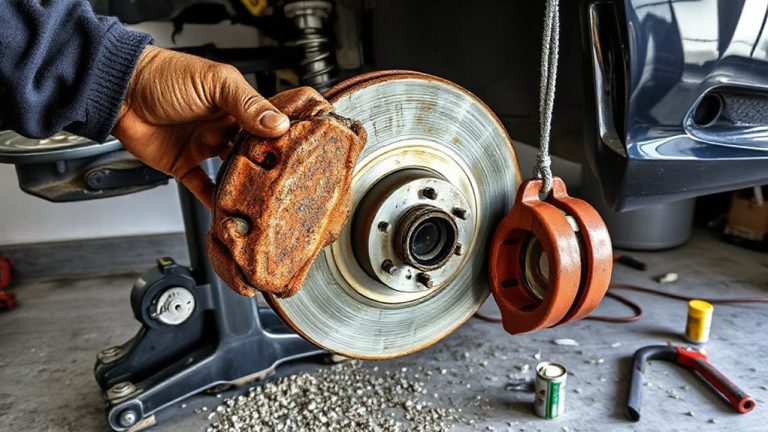
While dissimilar metals in contact may seem harmless at first, they can set the stage for galvanic corrosion on rotor hats when exposed to moisture and electrolytes. You create a galvanic cell when aluminum hats meet steel rotors. The resulting electrical current accelerates corrosion at the joint. Material compatibility is critical-aluminum acts as the anode and corrodes sacrificially. Without protective barriers, even minor environmental exposure like road salt or humidity triggers degradation. Corrosion begins within days under high-humidity conditions (above 60% RH) and accelerates with chloride presence. The voltage difference between metals-often exceeding 0.5 V-drives ion transfer. This electrochemical process eats through conductive paths, weakening structural integrity. You’ll see pitting, oxide buildup, and increased torque resistance during maintenance. Environmental exposure during transport or storage is enough to initiate damage. Prevention starts with understanding these electrochemical fundamentals-not waiting for visible corrosion.
How Protective Tape Prevents Rotor Hat Corrosion
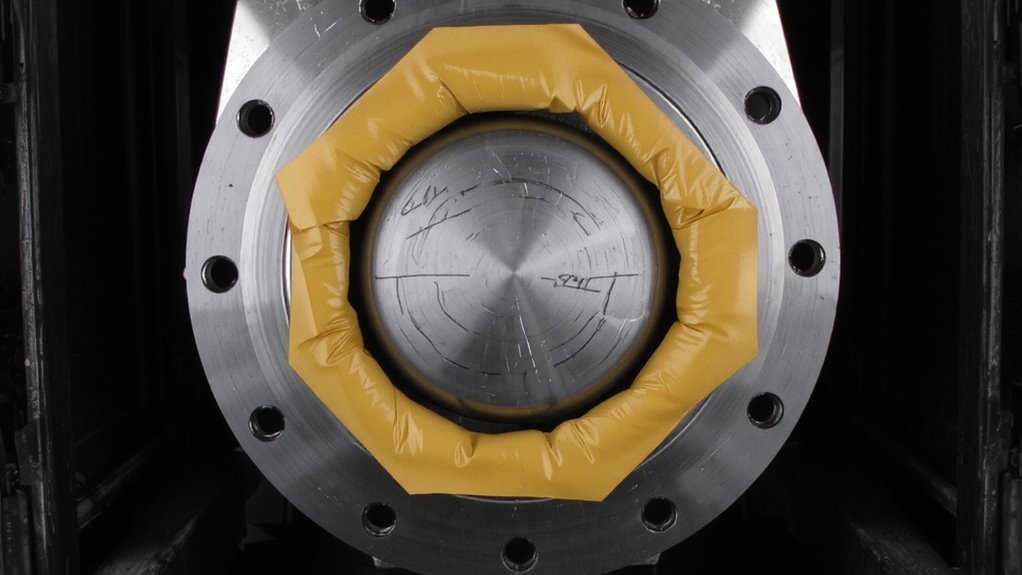
Protective tape stops galvanic corrosion on rotor hats by breaking the electrical circuit between dissimilar metals. You achieve electrical insulation when the tape’s non-conductive backing separates aluminum hats from steel rotors. This barrier prevents electron flow, halting electrochemical reactions. Most quality tapes use polyethylene or vinyl with an adhesive that resists moisture and temperature extremes. The tape provides chemical isolation by blocking electrolytes like road salt or humidity from contacting metal surfaces. Without this exposure, ion transfer can’t occur. Typical tape thickness ranges from 5 to 10 mils, offering durability without interfering with fitment. Adhesion levels between 30–40 ounces per inch guarantee secure coverage during shipping. UV resistance and tensile strength help maintain integrity over long transport periods. You apply it directly to the hat’s contact area, fully covering mating surfaces. The result is reliable, temporary protection that preserves component integrity until installation.
Choosing the Right Tape for Rotor Hats
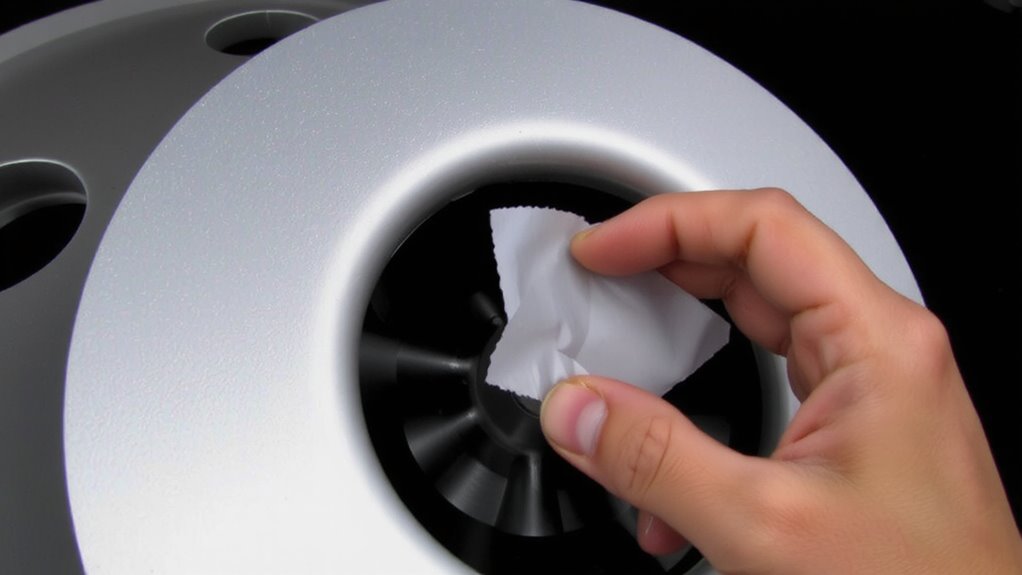
Since not all tapes perform the same under automotive shipping conditions, picking the right one matters. You need a tape with strong tape adhesion to resist vibration, moisture, and temperature swings. Look for pressure-sensitive acrylic adhesives-they bond well and won’t easily peel during transit. Poor adhesion leads to exposed spots, increasing corrosion risk. Material compatibility is equally critical. The tape must be non-conductive and chemically inert to avoid reacting with aluminum or cast iron rotor hats. Avoid PVC tapes; they can outgas chlorides that promote corrosion. Instead, use polyethylene or polypropylene-backed tapes with a minimum thickness of 3.5 mils. These materials resist UV exposure and punctures while maintaining integrity over 1,000-mile shipments. A tape with 30–40 oz/in peel adhesion makes certain secure coverage without residue. Always verify performance against ASTM D3330 standards. For reliable options, consider tapes from the top picks for auto paint category, which are designed to meet rigorous performance standards.
Applying Protective Tape to Rotor Hats
| Parameter | Value | Importance |
|---|---|---|
| Application Temp | 60°F – 100°F | Guarantees adhesive activation |
| Overlap | 50% width | Prevents edge lifting |
| Pressure | 15–20 psi | Optimizes adhesion |
| Speed | 2–3 in/sec | Balances control and efficiency |
| Tape Thickness | 5–7 mils | Offers durability and conformability |
Hold the tape taut and smooth it with a roller for uniform contact.
Common Mistakes When Taping Rotor Hats
One wrong move during tape application can compromise the entire protective system. You risk improper adhesion if the rotor hat surface isn’t clean and dry before taping. Dirt, oil, or moisture creates weak bonding points, allowing moisture ingress and galvanic corrosion. Apply tape at 68°F to 77°F for ideal cling and sealing. Stretching the tape beyond its elastic limit reduces recovery and conformity, leaving gaps. Overlap each layer by 25% to guarantee full coverage without thin spots. Using non-specialized tape invites tape residue that’s difficult to remove and may require solvents, risking surface damage. Premium polyurethane-based tapes leave minimal residue and remove cleanly within six months. Avoid aggressive rubbing during removal; peel slowly at 180 degrees. Proper technique guarantees full protection, intact surfaces, and no leftover gunk-critical for downstream assembly efficiency and corrosion prevention.
On a final note
You prevent galvanic corrosion by isolating dissimilar metals. Protective tape acts as a barrier between aluminum hubs and steel rotors. Use 3M™ Specialty Electrical Tape 1600 or equivalent-0.007 in (0.18 mm) thick, UV-resistant, with acrylic adhesive. Apply it smoothly, covering the entire hat surface without gaps. Avoid stretching the tape. This simple step reduces corrosion risks during transport and storage.