Seasonal Maintenance Schedule for Protected Vehicles in Changing Climates
Inspect your vehicle in spring for cracks, corrosion, and seal damage using a 10x magnifier, especially around wheel wells. Clean the undercarriage with 1,500–2,000 psi water and apply rust inhibitor. In summer, use thermal wraps and radiator shades, maintain 50/50 coolant, and install PM10 dust screens. You’ll find proven prep steps for every season detailed next.
Notable Insights
- Inspect body panels and seals for cracks or corrosion each spring using a 10x magnifier, focusing on wheel wells and seams.
- Clean undercarriages with 1,500–2,000 psi water and apply rust inhibitor to frame rails and suspension components.
- Maintain 50/50 coolant mix year-round, ensuring freeze protection to -34°F and proper glycol concentration.
- Install insulated battery wraps in fall to preserve cranking power, as cold can reduce capacity by up to 30%.
- Rotate tires every 5,000 miles, check tread depth, and use winter-rated tires with proper inflation for cold conditions.
Spring: Check Your Protected Vehicle for Winter Damage
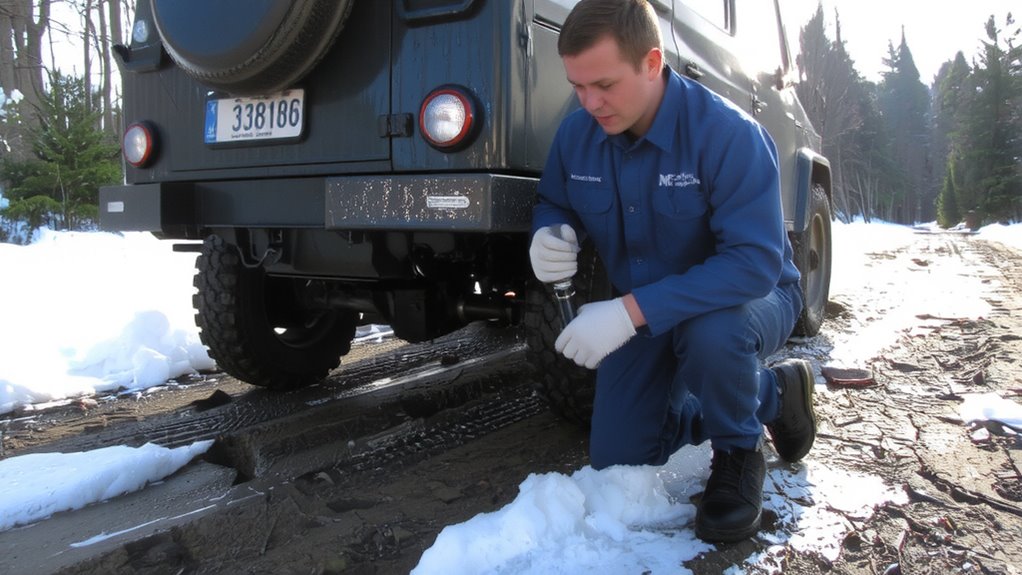
After months of exposure to snow, ice, and road salts, your protected vehicle likely bears hidden damage that could compromise performance. Begin with a thorough body inspection to identify cracks, paint degradation, or corrosion on panels and seals. Use a 10x magnifier to detect micro-fractures in protective coatings, especially around wheel wells and seams. These flaws reduce barrier effectiveness and invite moisture penetration. Immediately follow with undercarriage cleaning using pressurized 1,500–2,000 psi water to remove accumulated salt, mud, and debris. Focus on frame rails, control arms, and suspension mounts-common corrosion sites. Apply a rust inhibitor post-cleaning for added protection. Inspect electrical connectors and fluid lines during undercarriage cleaning; guarantee seals are intact. A neglected undercarriage accelerates wear by up to 40%. Addressing these issues now guarantees structural integrity and prolongs service life. For optimal results, use a dedicated undercarriage cleaner designed to dissolve stubborn grime and road contaminants.
Summer: Protect Your Protected Vehicle From Heat and Dust
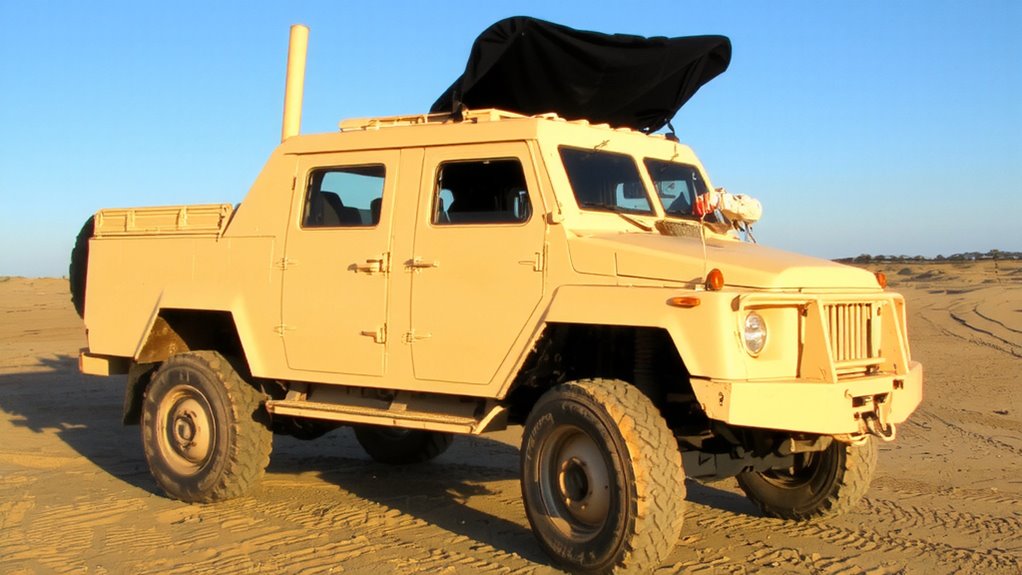
High temperatures and airborne particulates strain your protected vehicle’s systems more than most operators realize. Heat protection is critical: cabin and engine compartment temperatures can exceed 70°C (158°F) in prolonged sun exposure, risking seal degradation and fluid breakdown. Apply high-reflectivity thermal wraps to hydraulic lines and use radiator shades when parked. Coolant levels must be at 50/50 mix with proper glycol concentration. Dust prevention starts with inspecting air intake filters-replace every 250 hours or more often in arid zones. Install secondary dust screens rated for PM10 particulates. Pressure-wash radiators weekly to remove silty buildup that insulates and reduces cooling efficiency. Check cabin HEPA filters; compromised seals let in contaminants. Conduct infrared scans to detect hot spots in electrical systems. Guarantee ventilation ducts remain unobstructed. These steps reduce wear, maintain operational readiness, and extend service intervals in harsh summer conditions.
Fall: Prepare Your Protected Vehicle for Cold Weather
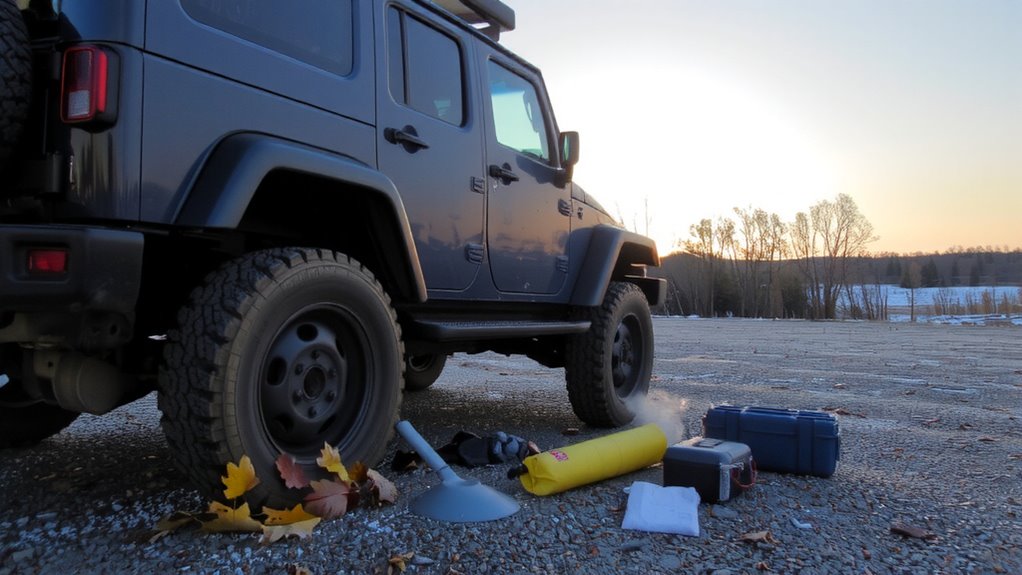
As temperatures drop below 10°C (50°F), your protected vehicle’s fluid systems and battery performance begin to decline without proper conditioning. Check all fluid levels, especially coolant and oil, guaranteeing coolant contains a 50/50 mix of ethylene glycol and water to prevent freezing down to -37°C (-34°F). Battery insulation is critical: install dielectric, closed-cell foam wraps to reduce heat loss and maintain cranking power. A fully charged 12V battery loses up to 30% of its capacity at -18°C (0°F) without insulation. Inspect battery terminals for corrosion and secure connections. Evaluate tire traction using tread depth gauges; guarantee minimum 6/32” depth for adequate grip on wet or frost-covered surfaces. Use all-weather or dedicated winter tires with M+S or 3PMSF ratings to improve control. Perform alignment checks and adjust inflation pressures to OEM standards for peak handling and fuel efficiency. Complete these steps before sustained subfreezing conditions arrive. For optimal engine protection in cold starts, use a high-quality synthetic oil such as 5W-20 motor oil, which is recommended for Hyundai Elantra models to ensure smooth flow and lubrication in low temperatures.
Winter: Keep Your Protected Vehicle Running in Snow and Ice
A well-maintained protected vehicle handles winter’s extreme conditions with reliability, but only if you stay proactive. Cold reduces battery efficiency by up to 35%, making battery insulation critical. Use closed-cell foam wraps rated for -40°C to maintain operating temperature. Always verify your traction control system engages at wheel slip thresholds of 8–12%, guaranteeing peak grip on ice.
| System | Winter Spec |
|---|---|
| Traction Control | 8–12% slip activation |
| Battery Insulation | R-value ≥ 2.5, sealed |
| Tire Pressure | Reduce by 5–7 psi cold |
Engage traction control before movement on snow-packed surfaces. Insulated batteries retain 20% more charge, extending idle time. Conduct weekly diagnostics to confirm sensor responsiveness and heating element function. Preventative action guarantees operational continuity in harsh winter conditions. Including a car emergency kit ensures access to essential tools and supplies during unexpected winter breakdowns.
Essential Fluids and Seals for Protected Vehicles
Cold weather doesn’t just test your vehicle’s traction and power systems-it puts extra strain on fluids and seals, too. You need to maintain fluid integrity to guarantee proper lubrication and hydraulic function in extreme temperatures. Use only low-viscosity synthetic oils rated for sub-zero operation, like 5W-30 or 5W-40, to prevent thickening. Coolant should be a 50/50 mix of ethylene glycol and distilled water, protecting down to -34°F. Fluid leaks often stem from compromised seal durability. Inspect nitrile rubber (NBR) or fluorocarbon (FKM) seals regularly-they resist hardening and cracking below -40°F. Shaft seals, O-rings, and gaskets must remain pliable under thermal cycling. Replace any seal showing pitting, swelling, or compression set. These components guard critical systems, so their failure risks contamination and loss of performance. Check torque specs on fluid fittings-overtightening damages seal surfaces.
Build a Year-Round Maintenance Calendar for Protected Vehicles
Year-round maintenance of protected vehicles demands consistent scheduling to guarantee peak performance across all seasons. You must align key services with climatic shifts to preserve reliability. Perform tire rotation every 5,000 miles or quarterly, whichever comes first, to guarantee even tread wear and maximum traction in wet, icy, or dusty conditions. Use torque specifications from the manufacturer-typically 80–100 lb-ft for lug nuts-to prevent loosening during off-road operations. Schedule battery testing biannually, measuring voltage and cold cranking amps (CCA); replace if voltage drops below 12.4V or CCA falls under 75% of rated capacity. Inspect terminals for corrosion and clean with a baking soda solution. Integrate these tasks into a digital maintenance log with automated alerts. This structured calendar minimizes downtime, supports operational readiness, and extends vehicle service life under variable environmental stress.
On a final note
You must maintain your protected vehicle year-round to guarantee peak performance. Each season demands specific checks: inspect seals and suspensions in spring; monitor cooling systems and air filters in summer. Use only military-grade fluids with verified viscosity ratings. Follow the OEM maintenance calendar precisely. Neglecting even one step risks system failure. Treat maintenance like armor-consistent, layered, and non-negotiable.