Insurance Considerations for Vehicles in Long-Term Storage
You must keep your vehicle registered and insured during long-term storage in most states, as lapses trigger fines or license suspension. Opt for stored car insurance-typically full-only-to cover theft, vandalism, fire, hail, and water damage. Collision and liability add cost without benefit when the car isn’t driven. Full coverage costs $20–$30 monthly and matches actual cash value. Some states allow insurance suspension with plate surrender or a Non-Use filing if stored securely. Enclosed, climate-controlled storage lowers risk and premiums. Lenders may require full coverage, but otherwise, it’s not cost-effective. Adjust coverage based on storage duration, location, and vehicle value. Policy flexibility lets you reactivate with inspection and registration updates. Protection against rodent damage or freeze-related issues is available from select insurers.
Notable Insights
- Maintain at least comprehensive coverage to protect against theft, vandalism, and environmental damage during long-term storage.
- Confirm if your state allows registration deactivation or insurance suspension to avoid unnecessary costs.
- Stored vehicles still require continuous insurance in most states to prevent fines or license suspension.
- Opt for comprehensive-only policies to save money, as collision and liability coverage offer no benefit when the car isn’t driven.
- Reactivating insurance may require proof of secure storage, updated registration, and advance notice to your insurer.
Can You Legally Store a Car Without Stored Car Insurance?
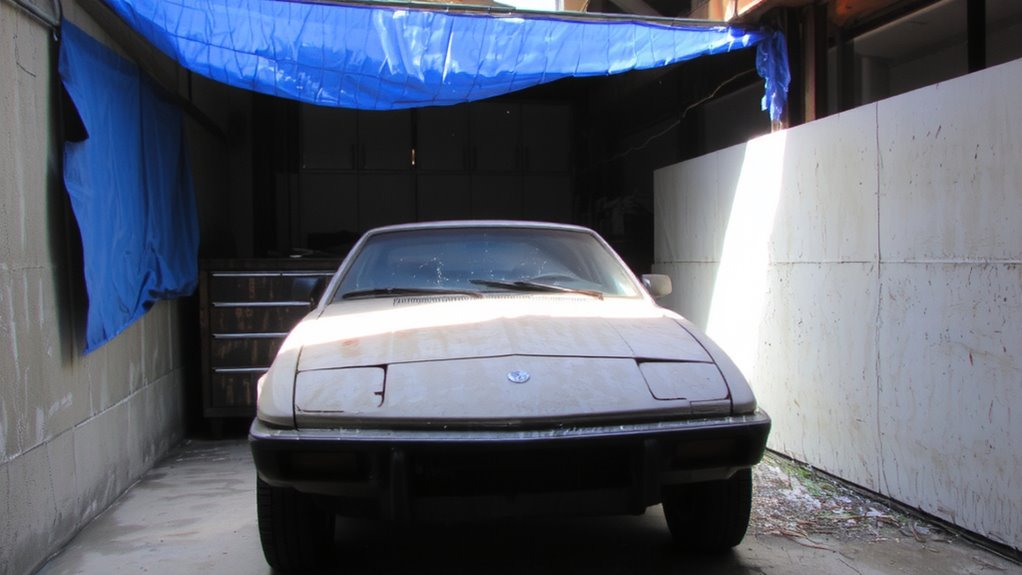
Can you legally park your car in storage without insurance? In most states, no. Even in storage, your vehicle must meet minimum registration requirements, which often include proof of insurance. Letting coverage lapse can trigger legal consequences, including fines or license suspension. Registration isn’t just for active drivers-many DMVs require continuous insurance, regardless of use. If your car isn’t insured, authorities may flag it during database checks. Some states allow you to formally deactivate registration, but that halts legal operation until reinstated. Storing a car without insurance may seem cost-effective, but it violates mandatory financial responsibility laws. Instead, consider non-op (non-operational) insurance. It satisfies registration requirements, is cheaper than full coverage, and avoids legal consequences. Always verify state-specific rules-requirements vary by jurisdiction.
What Risks Does Stored Car Insurance Cover?
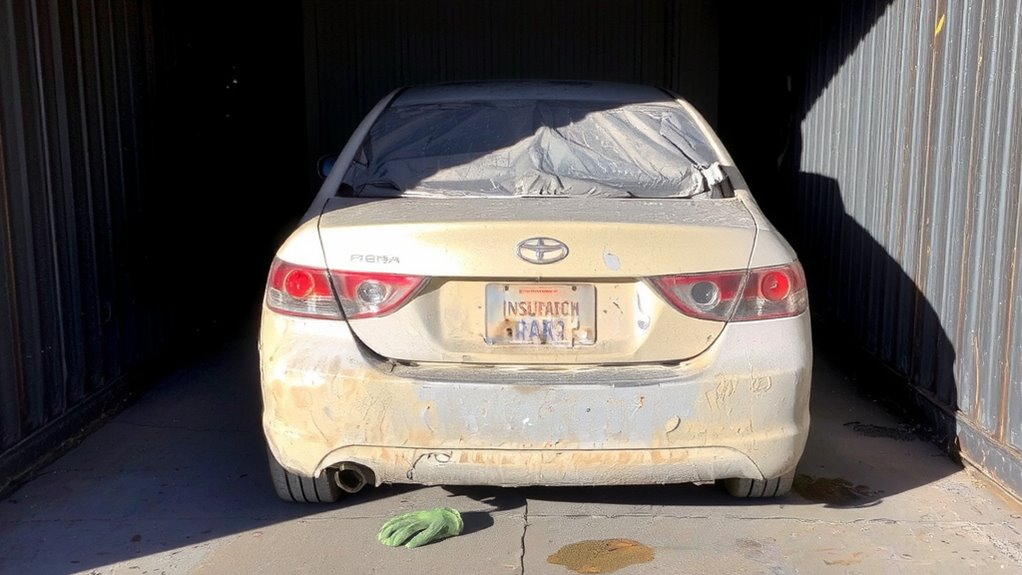
Stored car insurance isn’t just about meeting legal requirements-it’s about protecting your vehicle from specific risks even when it’s not on the road. It typically covers theft protection, which reimburses you up to the car’s insured value if it’s stolen. This applies whether stored in a private garage or leased storage unit. Vandalism coverage is also included, paying for repairs from intentional damage like broken windows or graffiti. Policies often extend to fire, hail, and water damage, with all-inclusive coverage activating for non-collision events. Coverage limits align with your vehicle’s actual cash value or agreed-upon amount. Deductibles range from $100 to $1,000, affecting premium costs. Protection remains active during storage, assuming no policy exclusions are violated.
How Do You Pick the Best Insurance for a Stored Car?
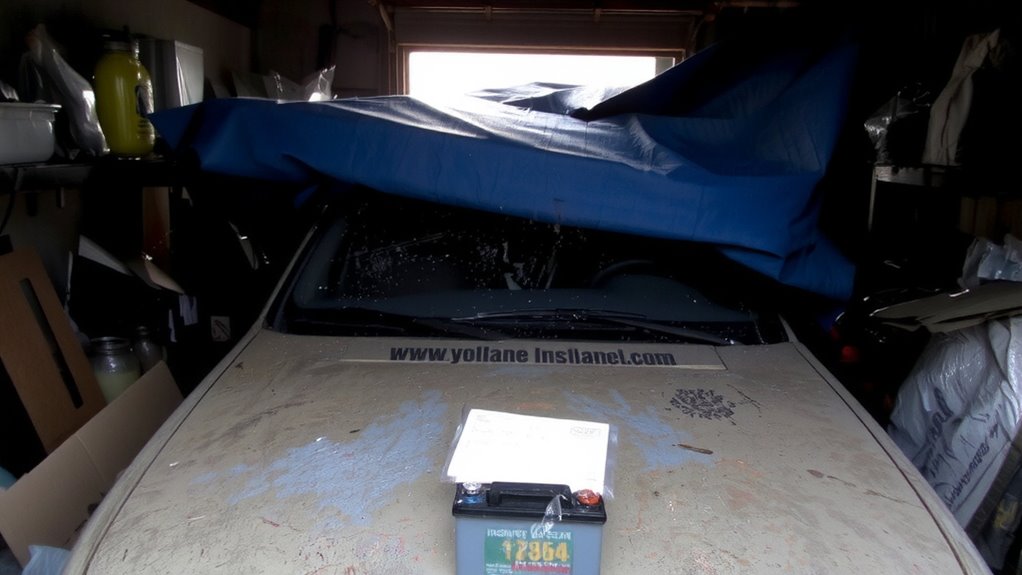
Why settle for generic coverage when your stored car faces specific risks? You need tailored protection that matches real-world storage conditions. Start by reviewing available coverage options-comprehensive-only policies are common because they protect against theft, vandalism, and environmental damage without covering collision risks, which are minimal during storage. Look for insurers offering policy flexibility, allowing you to adjust terms based on location, duration, and vehicle value. Some providers let you suspend coverage temporarily or reactivate it with no lapse penalties. Confirm the insurer recognizes enclosed vs. outdoor storage, as premiums vary with risk exposure. Measure protection precision: does the policy cover freeze damage or rodent intrusion? Choose carriers using verifiable data-not averages-to price your risk. A precise match between threat profile and policy specs guarantees ideal protection at minimal cost.
Is Full Coverage Worth It for a Stored Car?
A thorough-only policy often makes the most sense for a vehicle in long-term storage, but you might wonder whether maintaining full coverage-including collision and liability-adds meaningful protection. Extensive coverage safeguards against non-collision incidents like fire, theft, or hail-common risks during storage. However, collision offers no added value when the car isn’t driven. Depreciation protection is irrelevant here, as stored vehicles don’t accrue mileage or wear.
| Coverage Type | Value in Storage |
|---|---|
| Extensive | High – Covers real risks |
| Collision | None – No driving occurs |
| Depreciation protection | Not applicable |
You save money by dropping unnecessary coverage. Extensive coverage remains cost-effective, typically adding $20–$30 monthly. Full coverage isn’t worth it unless lender requirements apply. Focus on measurable risks, not hypotheticals.
How to Suspend or Restart Insurance After Storage
If you’re preparing to store your vehicle for an extended period, suspending your insurance coverage can reduce costs-but only if done correctly. Policy suspension allows you to legally maintain registration while dropping non-required coverages like liability and collision. Contact your insurer to confirm eligibility; not all states or providers permit partial lapses. You’ll typically need to surrender license plates or file a Notice of Non-Use. Store the vehicle in a secure, enclosed facility-ideally climate-controlled-to minimize risk. When retrieving your car, initiate coverage reactivation at least 24 hours before driving. Reactivation requires proof of storage conditions, a valid inspection, and updated registration. Most insurers restore full coverage upon verification. Failure to follow procedures may void claims. Policy suspension isn’t automatic; missteps can lead to lapses, fines, or denied coverage reactivation. Plan ahead, document everything, and confirm each step with your provider.
On a final note
You should keep your stored car insured. Liability coverage may not be required during storage, but all-inclusive and collision protection guard against fire, theft, and hail-common risks in long-term inactivity. Policies with 100% replacement cost coverage offer maximum protection. Use a climate-controlled space at 55–70°F with humidity below 50% to prevent corrosion. Disconnect the battery and check fluid levels every six months to maintain vehicle integrity.