Emergency Preparedness Kit Essentials for Every Car Owner
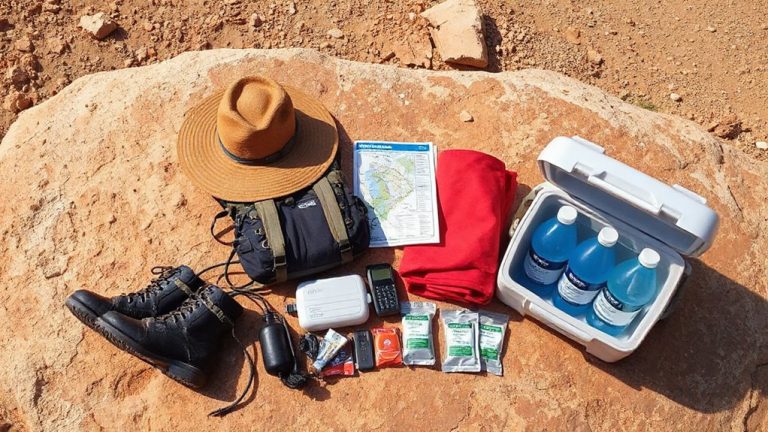
You need an emergency kit because breakdowns or accidents can leave you stranded for 45+ minutes, especially in rural areas. Include a 1500-lumen flashlight, 50-foot reflective warning tape, and an ANSI/ISEA Z308.1-2015 first-aid kit. Pack 1,500+ calorie non-perishable food and a gallon of water per person. A 10-piece socket wrench set, 6-gauge jumper cables (500A), and digital multimeter handle most repairs. Thermal blankets retain 90% of body heat and work down to -20°F. ANSI Class 2 vests boost night visibility up to 1,000 feet. Seasonal items like traction mats or cooling towels adapt your kit-key upgrades await your consideration.
Notable Insights
- Include a 1500-lumen flashlight, first-aid kit, and battery-powered radio for essential safety and communication.
- Pack 1,500+ calories of non-perishable food and one gallon of water per person for at least three days.
- Store thermal blankets that reflect 90% of body heat and function in temperatures down to -20°F.
- Carry a 10-piece socket wrench, multimeter, jumper cables, and air compressor for mechanical emergencies.
- Adapt your kit seasonally with tire chains and hand warmers in winter, sunshades and cooling towels in summer.
Why You Need an Emergency Kit in Your Car
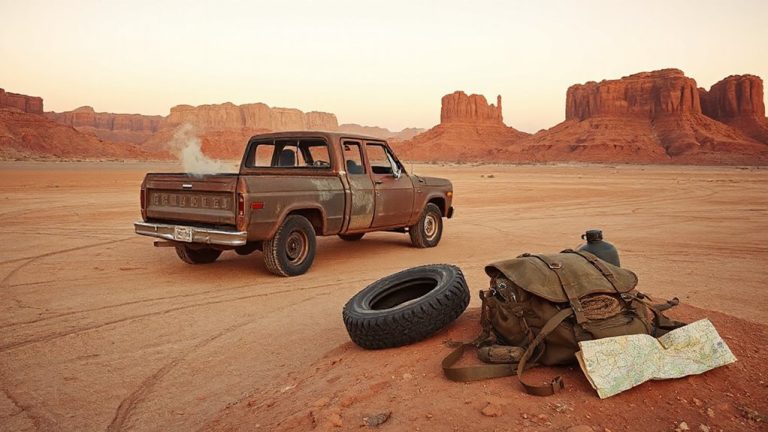
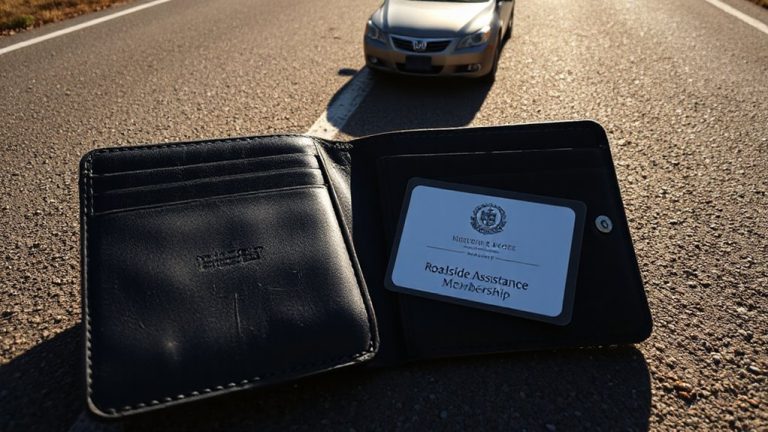
Even if you’re only driving short distances, unexpected situations like mechanical failure, severe weather, or accidents can leave you stranded without immediate help. Car safety depends on preparedness, not luck. An emergency kit guarantees you’re equipped when systems fail. Standard roadside assistance may take 45+ minutes to arrive, especially in rural areas. During that time, you’ll need functional tools and supplies. A properly stocked kit includes a 1500-lumen flashlight, non-perishable food (minimum 1,500 calories), and a 50-foot reflective warning tape. It should also contain a tire pressure gauge (accuracy: ±1 PSI), a first-aid kit meeting ANSI/ISEA Z308.1-2015 standards, and a battery-powered AM/FM radio. These components bridge the gap until help arrives. Car safety isn’t just about airbags and seatbelts-proactive readiness with an emergency kit reduces risk, enhances survival odds, and guarantees compliance with best practices. Roadside assistance is essential, but never the sole plan. For reliable medical preparedness, consider choosing one of the top-rated car first aid kits based on expert evaluations.
Must-Have Tools for Car Breakdowns
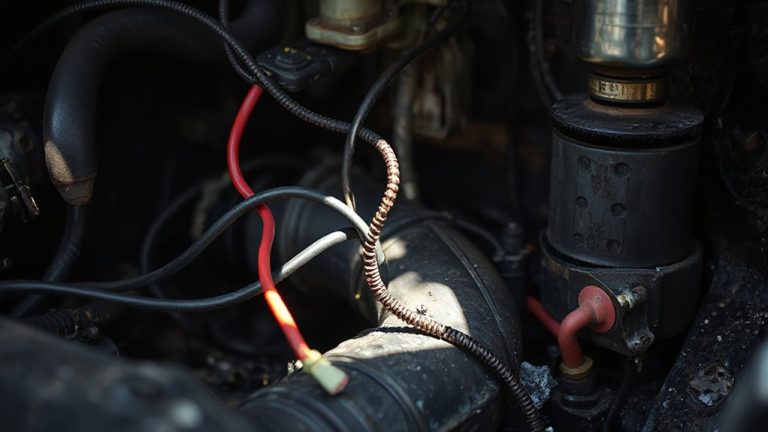
A reliable toolkit can mean the difference between a resolved breakdown and a stranded situation. You need basic hand tools: a 10-piece socket wrench set, Phillips and flathead screwdrivers, and adjustable pliers. Include a digital multimeter for electrical diagnostics-check battery voltage (12.6V resting) or trace faulty fuses. A jumper cable set (16-foot, 6-gauge) guarantees engine starts with sustained clamp current (500A minimum). Store tools systematically to enable quick access-modular cases with labeled compartments improve tool organization. Add a tire pressure gauge (accurate to ±1 PSI) and a portable air compressor (12V, 30 PSI cutoff). Torque specifications matter: lug nuts typically require 80–100 ft-lbs. A flashlight (180 lumens, LED) aids nighttime assessments. Every tool must serve a defined mechanical or electrical function. Precision and preparedness reduce downtime. Investing in top automotive maintenance tools ensures long-term reliability and performance.
Stay Warm and Visible in an Emergency
Staying warm and visible during an emergency guarantees your safety when stranded in harsh conditions. Thermal blankets reflect up to 90% of your body heat, weigh only 4–6 ounces, and pack into a palm-sized pouch. Made from metallized polyester film, they resist tearing and moisture, maintaining warmth in temperatures as low as -20°F. Keep one in your emergency kit and inside your coat for instant access. Reflective gear, such as ANSI Class 2 safety vests or reflective armbands, increases visibility up to 1,000 feet at night. Engineered with retroreflective tape, this gear secures drivers spot you well in advance, even in fog or snow. Wear it whenever you exit your vehicle on highways or low-light roads. Combined, thermal blankets and reflective gear form a critical defense against exposure and collision. These lightweight, high-efficiency tools are essential for surviving winter breakdowns or nighttime roadside incidents. A well-stocked car emergency kit can include these items and significantly improve your safety during unexpected situations.
Food and Water: What to Stock
If you’re stranded for hours, your body’s need for hydration and calories doesn’t stop-stocking the right food and water guarantees you stay functional. Store one gallon of water per person per day for at least three days. Use sealed, BPA-free bottles designed for long term storage. Replace every six months to maintain freshness. Include calorie dense snacks that resist spoilage and deliver energy efficiently.
| Item | Quantity & Specs |
|---|---|
| Bottled Water | 3 liters per person |
| Energy Bars | 2,000+ calorie total |
| Dried Fruit & Nuts | 1 lb, vacuum sealed |
| Crackers | 8 oz, low sodium |
These foods offer sustained fuel with minimal weight. Calorie dense snacks maximize energy per ounce. All items fit compactly and endure temperature swings. Use Mylar-lined packaging to extend shelf life. Inspect annually for degradation.
Adapt Your Kit for Seasonal Risks
When winter storms hit, your emergency kit must handle subzero temperatures and hazardous road conditions. Include winter traction devices like tire chains or traction mats rated for ice and packed snow-tested to -20°F for reliable performance. Add insulated blankets, chemical hand warmers (each lasting up to 8 hours), and a hard-shell ice scraper with a 16-inch blade. As seasons shift, replace cold-weather items with summer cooling solutions: a solar-reflective sunshade, cooling towels that activate with water, and an extra gallon of water for hydration. Use a UV-stabilized, heat-resistant storage case to protect electronics and medications from temperatures exceeding 120°F. Monitor seasonal forecasts and adjust contents every three months. A well-adapted kit guarantees resilience whether facing blizzards or 100°F desert heat-preparedness isn’t static. Update your supplies to match environmental demands, guaranteeing year-round safety and operational effectiveness on the road.
On a final note
You need an emergency kit tailored to your driving conditions. A 500-lumen LED flashlight with AA batteries guarantees visibility. Jumper cables must handle 600 amps for most engines. Include a Mylar thermal blanket, which retains 90% body heat. Carry three gallons of water per person monthly. N95 masks filter 95% of airborne particles. A fire extinguisher should be DOT-rated ABC, 2A:10B:C. Your kit’s efficacy depends on proper maintenance and strategic placement.