Maintaining Fuel Efficiency Through Proactive 0–30K Maintenance Steps
Keep your tires inflated to 32–35 psi-every 1 psi drop cuts fuel economy by 0.2%. Change oil every 5,000–7,500 miles using correct viscosity like 5W-30 to reduce drag. Replace the engine air filter by 15,000 miles; a dirty one can lower MPG by up to 10%. Inspect belts, hoses, and fluids by 30K miles-worn belts or low coolant increase engine load. Fix small issues early, like worn spark plugs, which can spike fuel use by 30%.
Notable Insights
- Check tire pressure monthly and maintain 32–35 psi to minimize rolling resistance and prevent fuel efficiency loss.
- Change engine oil every 5,000–7,500 miles using correct viscosity to reduce drag and maintain optimal lubrication.
- Replace engine air filter by 15,000 miles to ensure proper airflow and avoid up to 10% drop in fuel economy.
- Inspect belts, hoses, and fluids at 30,000 miles to prevent leaks, maintain cooling efficiency, and reduce engine strain.
- Address early signs of wear like hesitation or worn spark plugs to maintain combustion efficiency and prevent costly damage.
Keep Tires Inflated to Maximize MPG
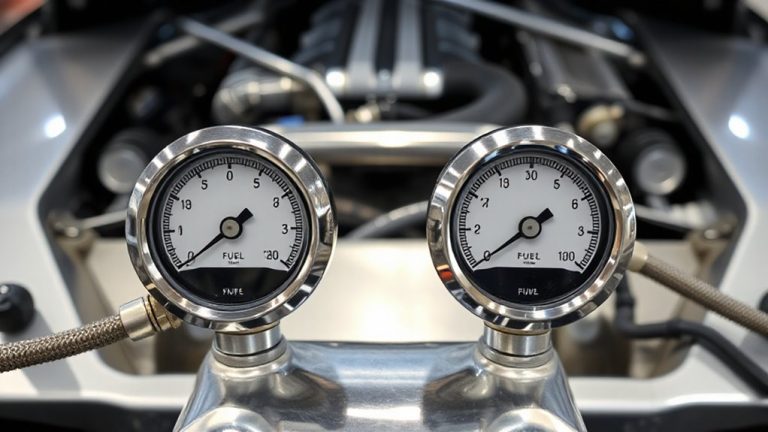
Every 1 psi drop in tire pressure cuts fuel efficiency by about 0.2%. You can’t afford to ignore this if you’re serious about fuel economy. Proper tire pressure-typically between 32 and 35 psi, as specified on your driver’s door jamb-ensures ideal rolling resistance. Underinflated tires increase friction, forcing your engine to work harder and consume more fuel. Maintaining correct inflation improves fuel economy by up to 3%. Tires naturally lose 1 psi per month, so check them monthly with a calibrated gauge. Temperature swings also affect pressure; for every 10°F drop, pressure decreases by 1–2 psi. Underinflation of just 6 psi can reduce fuel economy by more than 1%. This small oversight leads to hundreds of wasted dollars over 15,000 annual miles. Maximize MPG by treating tire pressure like a fuel tuning parameter-because it is. For accurate readings, consider using a digital tire pressure gauge, which offers precision and ease of use compared to analog models.
Change Oil Every 5K–7.5K Miles for Engine Health
Maintaining proper tire pressure sets the foundation for peak fuel efficiency, but engine performance plays an equally important role in maximizing MPG. You should change your oil every 5,000 to 7,500 miles to maintain ideal engine health. Using the correct oil viscosity-typically 5W-30 or 10W-30-ensures proper lubrication across operating temperatures. Thicker oils increase drag; thinner oils may not protect under high load. A synthetic blend offers improved thermal stability and reduced sludge compared to conventional oil. It flows faster at startup and resists breakdown over time. This directly reduces internal engine friction, which can improve fuel economy by up to 2%. Follow your vehicle manufacturer’s specification for viscosity grade and service interval. Skipping oil changes accelerates wear, reduces efficiency, and can lead to costly repairs. Keep the engine clean and well-lubricated-it’s your fuel economy’s best friend. For the 2018 Chevrolet Silverado 1500, using the recommended oil type can further optimize engine performance and longevity.
Replace Air Filter by 15K Miles to Save Fuel
A clogged air filter can cut fuel efficiency by up to 10%, and you’ll want to replace it by 15,000 miles to avoid the drop. Your engine needs clean air for maximum combustion. A dirty filter restricts airflow, forcing the engine to work harder and use more fuel. Unlike cabin air filters, which affect airflow inside your car, the engine air filter directly impacts performance and economy. Replacing it on time maintains proper air-fuel ratio. Don’t rely on fuel additives to fix poor airflow-they can’t compensate for mechanical issues.
| Condition | MPG Impact | Annual Cost Increase |
|---|---|---|
| Clean Filter | 0% loss | $0 |
| Dirty Filter | Up to 10% loss | $250+ |
| Replaced on Time | Max efficiency | Savings maintained |
Inspect Belts, Hoses, and Fluids by 30K Miles
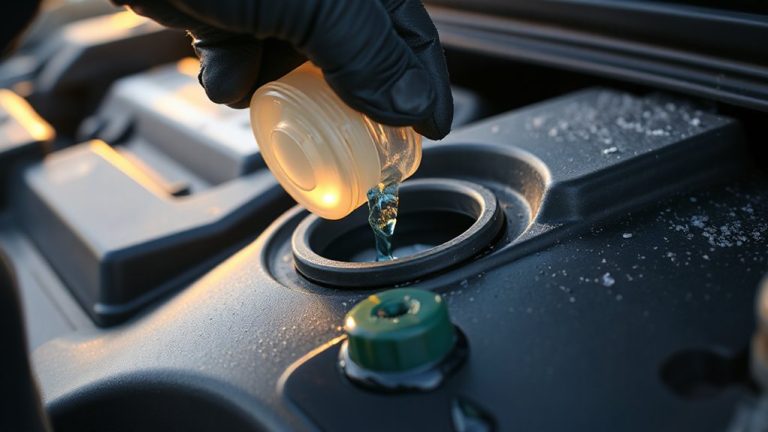
By 30,000 miles, you’ll need to inspect drive belts, coolant hoses, and key fluids-overlooking them risks breakdowns and cuts fuel economy. Check belt tension; loose belts slip, reducing alternator and A/C performance, while over-tightening strains bearings. Most serpentine belts use auto-tensioners that wear out; replace if tension falls below manufacturer specs-usually 90–110 lbs force. Inspect for cracks, fraying, or glazing. Coolant hoses degrade over time. Test hose integrity by squeezing upper and lower radiator hoses; they should feel firm, not spongy or brittle. Cracks or bulges mean immediate replacement. Use OEM-specified coolant and replace every 30K miles to maintain heat transfer efficiency. Low or dirty engine oil, transmission fluid, or coolant increases friction and drag, forcing the engine to work harder and burn more fuel. Maintain correct fluid levels and condition.
Fix Small Issues Early to Avoid Costly Repairs
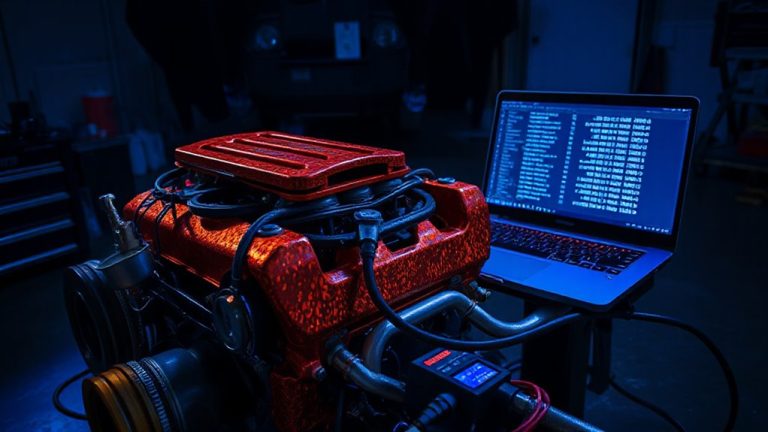
Every 10,000 miles, a minor rattle, faint whistle, or slight hesitation can signal an underlying issue that’ll cost you five times more if ignored. Addressing small problems early preserves fuel efficiency and prevents expensive repairs. Brake wear beyond 3mm compromises stopping power and increases strain on the braking system. Replace pads at 4mm to maintain safety and performance. Worn spark plugs disrupt combustion efficiency, increasing fuel consumption by up to 30%. Modern iridium-tipped spark plugs typically last 30,000 miles but should be inspected at 20,000. Misfires from degraded plugs damage catalytic converters-repairs exceeding $1,200. A simple $15 plug replacement prevents this. Listen for hesitation during acceleration-it often traces to ignition or brake system faults. Early diagnostics using an OBD-II scanner reveal issues before symptoms worsen. Proactive maintenance isn’t preventive-it’s strategic cost control. A reliable car diagnostic tool helps catch hidden engine issues before they impact performance or efficiency. Stay ahead. Save money. Keep efficiency high.
On a final note
You maintain peak fuel efficiency through disciplined early maintenance. Keep tires inflated to the manufacturer’s specified PSI-typically 32–35-to reduce rolling resistance and improve MPG by up to 3%. Change oil every 5,000–7,500 miles using the recommended viscosity grade, such as 5W-30, to sustain ideal engine lubrication. Replace the air filter by 15,000 miles; a clogged filter can lower fuel economy by 10%. By 30,000 miles, inspect drive belts for cracks, check coolant and transmission fluid levels, and replace worn hoses to prevent system failures. Address warning lights immediately-early repairs prevent long-term efficiency losses and costly damage, preserving engine performance and fuel economy.