Steering System Inspection Protocol for Front-Wheel Drive Models Under 30K
Your FWD steering starts wearing early-often by 30,000 miles-due to tight factory alignment tolerances and soft bushings in stamped control arms. Check tie rods for over 1/8 inch play and ball joints for more than 0.050 inches of vertical movement. Inspect power steering fluid level and condition, using only DOT 3 or manufacturer-specified fluid. Look for tire wear patterns like cupping or shoulder wear, which signal misalignment or loose linkages. Mechanics use digital alignment systems to verify camber and toe within ±0.5 degrees-results you’ll want to review next.
Notable Insights
- Check power steering fluid level and condition, ensuring it meets manufacturer specs and shows no contamination.
- Inspect tie rod ends for play exceeding 1/8 inch, indicating wear requiring replacement.
- Examine ball joints for vertical play over 0.050 inches, especially on non-serviceable control arms.
- Look for tire wear patterns like cupping or shoulder wear to detect misalignment or loose linkages.
- Use digital alignment equipment to verify camber and toe within ±0.1 and ±0.05 degrees, respectively.
Why Budget FWD Cars Lose Steering Fast
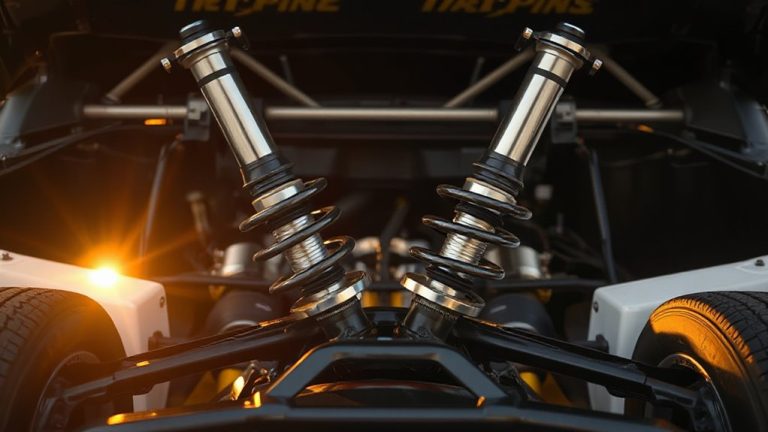
Many budget front-wheel drive cars begin showing noticeable steering degradation within 30,000 miles. You’ll often experience vague turn-in response and uneven tire wear due to poor alignment habits. Most manufacturers set camber and toe specs within ±0.5 degrees, but budget models typically lack adjustment points, making real-world alignment difficult. Combined with a weak suspension design, these tolerances compound quickly. Control arms often use stamped steel with rubber bushings rated for 35,000-mile service life, degrading under load. Strut mounts and lower ball joints exhibit play within 40,000 miles under normal conditions. The front cradle, if not torqued to spec (typically 65–75 lb-ft), shifts alignment angles irreversibly. You’re fundamentally driving on a compromised geometry that mimics a misaligned shopping cart. This isn’t just wear-it’s inherent design compromise. Chassis rigidity, often below 10,000 Nm/degree torsional stiffness, amplifies imprecision. You feel every road seam because the system can’t isolate inputs effectively.
5 Steering Parts to Check First (Under $30K)
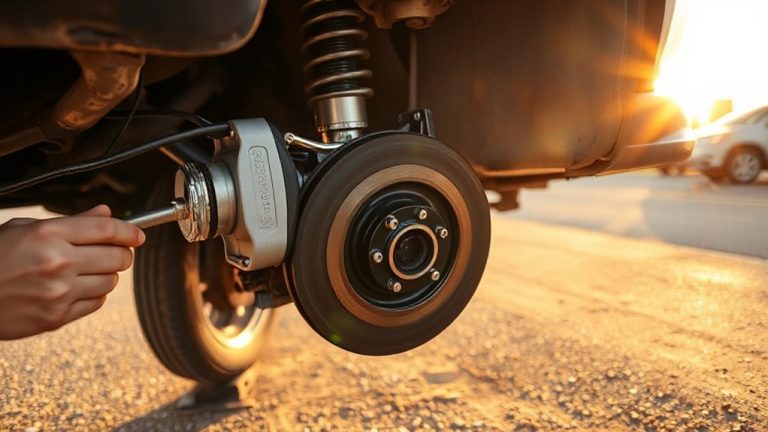
While you’re diagnosing vague steering on a front-wheel drive car under $30,000, start with the most common failure points: tie rod ends, control arm bushings, and strut mounts. Tie rod ends wear early due to constant lateral load and typically show play exceeding 1/8 inch when tested with a pry bar. Replace them if free movement is detected at the steering knuckle. Ball joints endure vertical stress and should have less than 0.050 inches of vertical play; use a dial indicator for accuracy. Most FWD models use non-serviceable lower ball joints pressed into control arms, making full-arm replacement necessary. Control arm bushings, especially rubber ones, crack and split from age and torque load, causing misalignment. Strut mounts, often overlooked, bind or seize, leading to poor steering return. Check for smooth rotation and listen for grinding. Early inspection of these parts prevents costly damage and improves handling predictability in daily-driven vehicles. For reliable performance, choose from the best tie rod ends based on durability and fitment for common FWD platforms.
How to Spot Steering Trouble Early
A sharp steering response starts with catching problems before they escalate, and the symptoms often show up long before complete failure. Unusual steering noise, such as groaning or clicking when turning, typically indicates low power steering fluid or worn components like tie rod ends or ball joints. A persistent squeal during rotation may point to a slipping serpentine belt driving the steering pump. You should also monitor tire wear patterns-excessive inside or outside shoulder wear suggests misalignment, often from damaged control arm bushings or struts. Cupping or feathering across tread faces can reveal unbalanced loads due to loose steering linkages. Early detection of these signs allows timely intervention. Inspect fluid levels monthly and address changes in steering feel immediately. Persistent noise or irregular tire wear means internal wear is likely progressing, requiring professional diagnosis before safety or performance deteriorates further.
Step-by-Step: FWD Steering Inspection at Home
Ever wonder how to keep your front-wheel drive vehicle’s steering system in peak condition without a mechanic? You can perform a basic inspection at home with minimal tools. Start by checking power steering fluid levels-low fluid causes noise and stiff response. Inspect the reservoir against the dipstick’s hot and cold fill marks. Next, examine tire alignment; uneven wear or a crooked steering wheel often indicates misalignment.
| Inspection Point | Standard Specification |
|---|---|
| Power steering fluid | DOT 3 or specified by manufacturer |
| Tire alignment tolerance | ±0.1 degrees camber, ±0.05 total toe |
Ensure hoses show no cracks and joints aren’t loose. Maintaining proper fluid levels and tire alignment prevents premature wear and guarantees responsive handling. This routine preserves component life and driving accuracy.
What Mechanics Check in a Steering Inspection
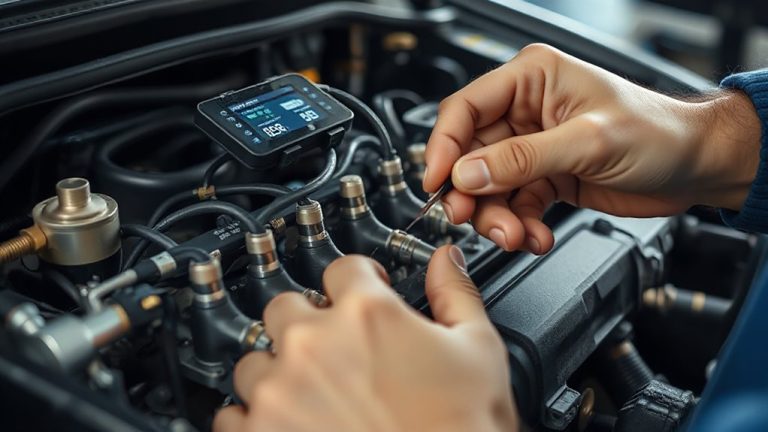
Professionals go beyond fluid levels and tire wear when evaluating your front-wheel drive steering system. They inspect steering linkage for play, measuring tie rod end movement-exceeding 1/16 inch indicates wear. Mechanics check the rack and pinion housing for leaks, often seen near inner tie rod boots. They assess power steering fluid condition, noting dark or gritty fluid as a sign of contamination. Steering vibration is diagnosed by rotating the tires and checking rim runout; vibration at speed points to imbalance or bearing wear. Alignment issues are confirmed via digital alignment machines measuring camber, caster, and toe-specifications typically within ±0.5 degrees of manufacturer standards. They also examine suspension components like control arm bushings and ball joints. Any looseness affects tracking and accelerates tire wear. These steps guarantee precise handling and safety.
On a final note
You now know the critical points in a budget FWD steering inspection. Check tie rod ends for more than 1/8 inch play. Inspect the steering rack boots for tears-leaking fluid means imminent failure. Control arm bushings should show no cracking or separation. Test the steering column U-joint for tightness. These steps, done every 15,000 miles, prevent costly repairs. Early detection keeps your under-$30K FWD model safe and responsive on the road.