The Importance of a Comprehensive Roadside Assistance Plan in Your Wallet
You’re stranded on a remote highway-engine dead, phone has no signal. An extensive roadside assistance plan activates GPS-tracked dispatch within seconds. Coverage includes 24/7 towing up to 10 miles, battery jumps with 400–600 CCA units, flat-tire service using air-filled spares or sealants, and fuel delivery. Most on-site fixes take under 20 minutes. Response averages 35 minutes nationwide. Plans vary by service limits, towing radius, and vehicle class support-knowing your needs shapes better protection. Details on optimization follow.
Notable Insights
- A comprehensive plan ensures help is available even in remote areas with no cell service.
- Fast response times reduce downtime during breakdowns, especially on long or rural routes.
- Coverage for jump-starts, flat tires, and fuel delivery gets you back on the road quickly.
- Towing to the nearest repair facility protects your vehicle after major mechanical failures.
- Plans tailored to driving habits ensure adequate support without wasted or missing benefits.
What Happens When You’re Stranded Without Help?
What happens when your car breaks down on a remote stretch of highway? You’re alone, and a mechanical failure has left your engine dead. No power, no response-just silence where combustion should be. A blown alternator or snapped serpentine belt can disable your vehicle within minutes. Without help, unexpected delays escalate quickly. Cell service is spotty; some rural areas have zero coverage. The average motorist waits over two hours for aid without a plan. Each minute idles increases exposure to weather, wildlife, or unsafe road conditions. Distance to the nearest service station may exceed 50 miles-beyond walking range. Towing that far without pre-arranged support costs $100–$200 out of pocket. You’re stranded not because of poor maintenance, but lack of immediate roadside response. Mechanical failure doesn’t discriminate. Unexpected delays compound when no network exists to deploy help within a 20-mile radius. Response time matters. Downtime is calculable. Risk is measurable.
What Roadside Assistance Actually Covers
Breakdowns don’t come with warnings, but a solid roadside assistance plan does cover the critical failures. You’re protected when your vehicle stalls due to mechanical or electrical issues within standard operating parameters. Most plans include towing up to 5 to 10 miles to the nearest qualified repair facility-this means a tow truck will respond, typically arriving within 30–45 minutes. Battery jump-starts are standard, using equipment that delivers 400–600 cold cranking amps. Flat tires are serviced on-site if a spare is available; otherwise, towing applies. Fuel delivery is offered if you run out-typically up to 3 gallons of gasoline or diesel, just enough to reach the nearest station. Fluid top-offs (oil, coolant, washer fluid) are included, but only in minimal emergency quantities. Locked-out scenarios are covered, with services using non-destructive entry tools. Each service is limited to one incident per category annually, ensuring consistent, measurable support.
How Roadside Assistance Gets You Moving Fast
Every minute counts when your car won’t start. Roadside assistance delivers a quick response, typically within 30 to 45 minutes, depending on your location. Operators use GPS tracking to dispatch the nearest service vehicle, reducing wait times. Most plans include jump-starts, flat-tire changes, and fuel delivery-services completed on-site in under 20 minutes. When repairs aren’t possible, towing services transport your vehicle up to 5 to 10 miles to the nearest qualified repair facility. Towing trucks are equipped with wheel-lift and flatbed systems, ensuring safe transport for front-, rear-, and all-wheel drive vehicles. Advanced systems use real-time diagnostics to assess issues before arrival, streamlining resolution. You’re notified of the service provider’s ETA via text or call. This coordinated approach minimizes downtime, getting you back on the road efficiently. Reliability hinges on network coverage and response logistics-both central to rapid assistance.
Top Roadside Assistance Features (And What to Skip)
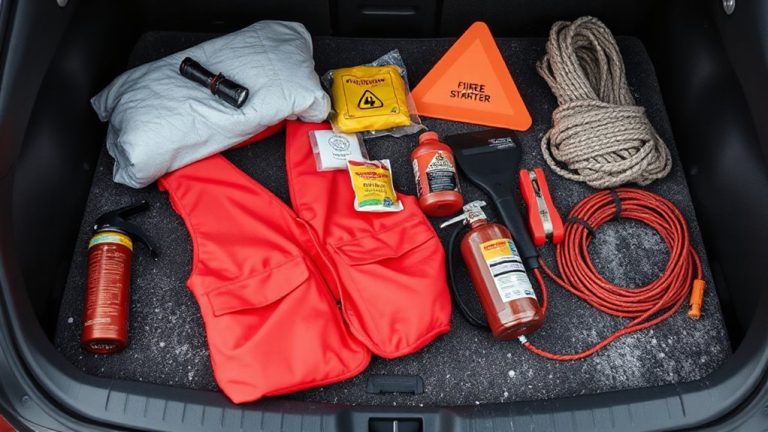
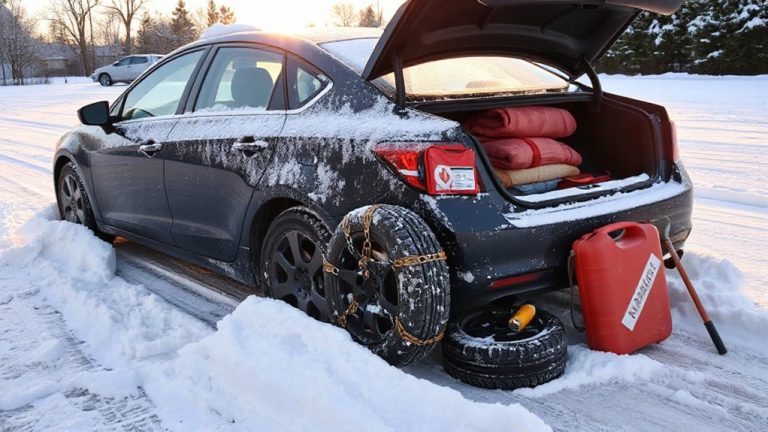
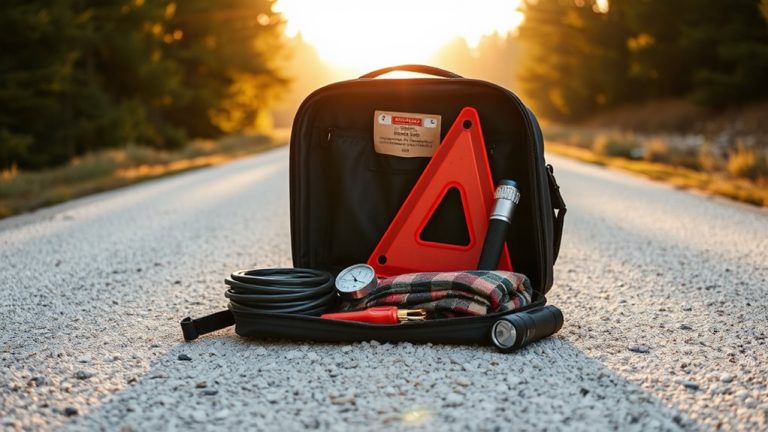
Response time and service reliability set the foundation, but the real value of a roadside assistance plan comes down to its features. Look for 24/7 dispatch access and GPS-based tow routing within a 10-mile radius-standard with most premium plans. Battery jump-starts and flat-tire changes should include air-filled spares or sealant kits when immediate repair isn’t possible. Some plans offer up to five service calls per year, but check plan limitations on mileage for free towing-many cap it at 5 to 10 miles. Lockout service using non-destructive entry tools is essential, especially for keyless entry vehicles. Avoid paying for redundant membership perks like travel discounts or trip interruption coverage unless you frequently drive long distances. Skip roadside fuel delivery if it only covers up to two gallons without refueling guarantees. Prioritize services with verified technician certifications and real-time tracking instead of vague arrival estimates. A well-stocked roadside emergency kit can bridge the gap between breakdowns and professional help.
Choose the Right Plan for Your Driving Habits
How often do you drive-and where? Your driving frequency and typical routes determine the right roadside assistance plan. Frequent commuters or long-distance drivers need higher-tier membership levels with extended benefits. Occasional drivers may find basic plans sufficient. Evaluate coverage limits carefully: some plans cap towing distances at 5 miles, while premium tiers offer up to 100 miles. Tire changes, lockout service, and fuel delivery often have annual usage limits-typically 3 to 4 incidents per year. Higher membership levels increase these allowances and include added perks like trip interruption coverage or international assistance. Make certain your plan aligns with your vehicle type and driving patterns. For example, towing capacity varies by vehicle; confirm your plan supports your car’s weight class. Selecting the right plan ensures reliable support without overpaying for unused services.
On a final note
You need roadside assistance-it’s non-negotiable for modern drivers. The average breakdown occurs 17 miles from home, lasting 2.1 hours without service. Extensive plans cover up to 100-mile towing, flat tire changes, lockouts, and jump-starts. They deploy help within 35 minutes, per industry averages. GPS-enabled dispatch guarantees precise location tracking. Choose a plan with 24/7 coverage, national provider networks, and no per-incident fees. Skip redundant extras like fuel delivery-most need less than two gallons.