How to Prevent Oxidation on Aluminum Trim With Clear Polymer Coating
You can stop oxidation on aluminum trim by applying a UV-resistant clear polymer coating 2–3 mils thick, which blocks moisture and oxygen. The coating bonds to a properly prepped surface cleaned with alkaline solution at 140–160°F and abraded to a uniform matte finish. Apply two thin coats using a 1.3mm spray nozzle, maintaining 15–30°C during application. This protective layer lasts 7–10 years, with coastal exposure requiring reapplication every seven. Regular inspection and maintenance keep performance ideal over time-further details cover long-term durability strategies.
Notable Insights
- Aluminum naturally forms a thin oxide layer that protects against further oxidation but can degrade in harsh environments.
- Apply a UV-resistant, 2–3 mil thick clear polymer coating to block moisture, oxygen, and environmental damage.
- Clean aluminum with alkaline solution, rinse with deionized water, and dry immediately before coating application.
- Lightly abrade the surface to create a matte profile and verify cleanliness with a water break test.
- Inspect coating every three months and reapply every 7–10 years, especially in coastal or high-exposure areas.
Understand Why Aluminum Oxidizes
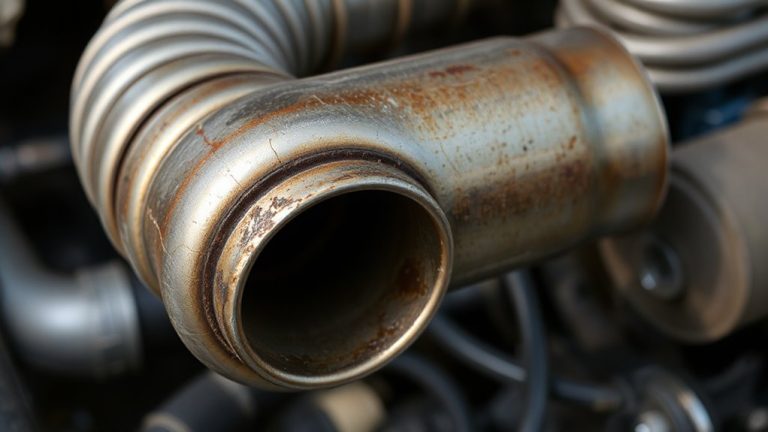
While aluminum naturally resists corrosion better than many metals, it still reacts with oxygen when exposed to air, forming a surface layer known as aluminum oxide. This oxide layer is thin-typically 2 to 5 nanometers-but protects the underlying metal by bonding tightly and limiting further oxidation. However, environmental exposure can overwhelm this barrier. Chlorides, pollutants, and acidic rain degrade the oxide film, leading to aluminum discoloration, often seen as dull whitish spots or streaks. In harsh conditions, surface pitting occurs when localized corrosion creates small cavities, usually 0.1 to 0.5 mm deep. These pits compromise structural integrity and aesthetics. Pitting initiates at microscopic imperfections, where galvanic reactions accelerate metal loss. You can expect discoloration to appear within months in coastal areas due to salt-laden air. The oxide layer self-repairs in clean environments, but repeated damage leads to permanent degradation. Understanding this process helps you anticipate failure and select appropriate preventive measures.
Choose the Best Clear Polymer Coating
| Feature | Benefit |
|---|---|
| UV resistance | Prevents fading and chalking |
| 2–3 mil thickness | Blocks moisture and oxygen |
| Flexible formulation | Resists cracking under thermal cycles |
| Fast curing | Reduces application downtime |
| Optical clarity | Maintains original metal appearance |
Select coatings tested to ASTM B117 for salt spray and ISO 4892 for weathering. Higher film builds improve longevity without compromising finish. Confirm compatibility with aluminum substrates before full use.
Prep Aluminum for Clear Polymer Coating
Surface preparation is the foundation of a durable clear polymer coating on aluminum trim. Proper surface cleaning guarantees excellent adhesion. Contamination removal is essential-residual oils, dirt, or oxidation inhibit bonding. Start by washing the aluminum with a non-abrasive alkaline cleaner at 140–160°F. Rinse thoroughly with deionized water to eliminate dissolved solids. Dry immediately using lint-free cloths or filtered air to prevent water spotting. Next, perform light abrasion using 180–220 grit aluminum oxide paper. This creates a matte profile, increasing surface area for coating adhesion. Wipe down with isopropyl alcohol (70% or higher) to remove fine particles and organic residues. Conduct a water break test: if water forms a continuous sheet, the surface is clean. If beads appear, repeat cleaning. Effective contamination removal prevents premature coating failure. Any overlooked residue compromises film integrity, accelerating oxidation under the coating. Prep thoroughly-success depends on it.
Apply the Coating Step by Step
Once the aluminum is properly prepped, you’re ready to apply the clear polymer coating with precision. Use a high-quality spray system with a 1.3mm nozzle for uniform coverage. Maintain an application temperature between 15°C and 30°C to guarantee proper adhesion and curing. Outside this range, the coating may dry too quickly or fail to bond. Hold the spray gun 20–25 cm from the surface and move at a steady 30 cm per second. Apply two thin coats, not one thick one. Each wet coat should measure 25–35 microns. Allow 10–15 minutes of flash time between coats. The surface texture should remain smooth and continuous, with no runs or orange peel. Avoid high humidity environments, as moisture can affect finish quality. Proper technique guarantees a protective barrier that resists oxidation and lasts up to 10 years under UV exposure.
Maintain Your Clear Polymer Coating
You’ve applied the clear polymer coating correctly-now it’s time to keep it performing at its best. Inspect damage regularly to catch issues early. Check the surface every three months for cracks, peeling, or discoloration-these signal degradation. Use a 10x magnifier to identify micro-fractures invisible to the naked eye. If you spot damage, repair it immediately with a compatible polymer patch kit to maintain the barrier. Schedule maintenance annually, even if no problems appear. During maintenance, clean the surface with a pH-neutral detergent and rinse with distilled water to prevent mineral buildup. Avoid abrasive pads; they scratch the coating. The coating typically lasts 7–10 years, but UV exposure and salt environments reduce longevity. Reapply every seven years in coastal areas. Proper upkeep guarantees sustained oxidation resistance down to 0.1 mil thickness loss per year. For cleaning wheels without compromising the coating, use a non-acidic aluminum wheel cleaner to preserve integrity and avoid etching the surface. Best aluminum wheel cleaners are specifically formulated to be safe on protective coatings.
On a final note
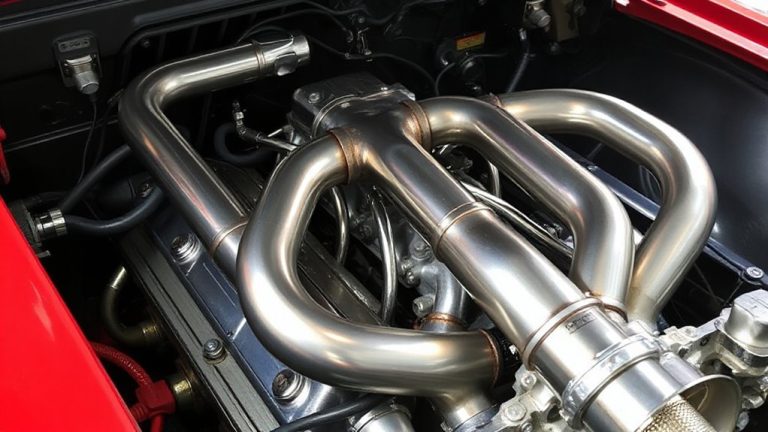
You’ve successfully protected your aluminum trim. A clear polymer coating prevents oxidation by sealing the surface from moisture and contaminants. Use polyurethane or acrylic-based formulas with UV resistance and >95% clarity retention over 5 years. Coatings should be 2–3 mils thick for maximum durability. Inspect annually; recoat if adhesion drops below 4B on tape testing. Proper prep and application guarantee 10+ years of protection.