The Importance of Regular Vehicle Inspections in Avoiding Common Breakdowns
You should inspect your vehicle regularly to catch issues before they cause breakdowns. Low coolant can lead to overheating above 240°F, risking warped heads or blown gaskets. Mechanics check fluid levels, battery voltage (12.6V ideal), brake pads (replace under 3mm), and tire tread. Annual or 12,000-mile inspections catch problems early. DIY checks like verifying oil level and tire pressure (32–35 psi) improve outcomes. Skipping inspections risks costly repairs down the road-knowing what to monitor keeps your car reliable.
Notable Insights
- Regular inspections detect low coolant levels early, preventing engine overheating and warped cylinder heads.
- Monitoring battery voltage helps avoid unexpected failures by identifying weak batteries before they die.
- Checking brake pad thickness below 3mm ensures timely replacement and prevents brake system damage.
- Inspecting fluid levels and tire tread depth catches issues that could lead to roadside breakdowns.
- Scheduled maintenance at 30,000–60,000 miles prevents failures in critical systems like timing belts and transmissions.
5 Costly Breakdowns Regular Inspections Catch Early
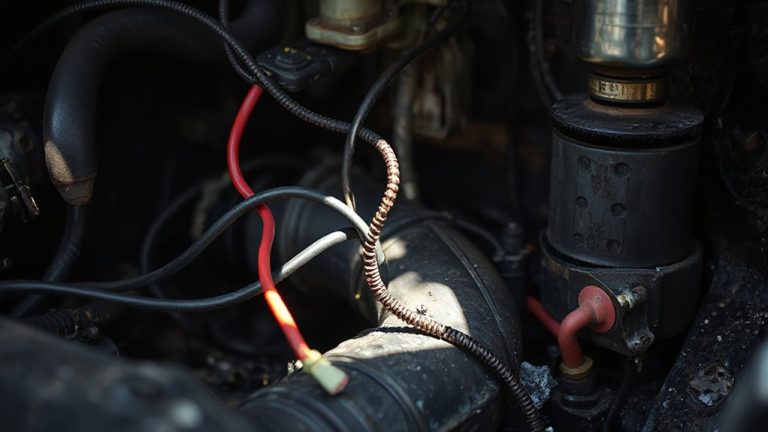
While you might not think about it every time you turn the key, regular inspections can stop small issues from turning into expensive failures. Engine overheating often stems from low coolant levels or a failing thermostat, both detectable during routine checks. Left unchecked, temperatures exceeding 240°F can warp cylinder heads, leading to catastrophic engine damage. A typical 12-volt automotive battery should measure 12.6 volts when fully charged; voltage below 12.2 indicates battery failure risk. Most batteries last 3–5 years, but extreme temperatures accelerate degradation. Inspectors test cold cranking amps (CCA), ensuring output meets manufacturer specs-usually 500–800 CCA for standard sedans. Early detection prevents roadside breakdowns. You avoid towing fees, missed appointments, and costly repairs like replacing blown head gaskets or dead alternators. Preventive maintenance isn’t just smart-it’s economical.
What Mechanics Check in Every Vehicle Inspection
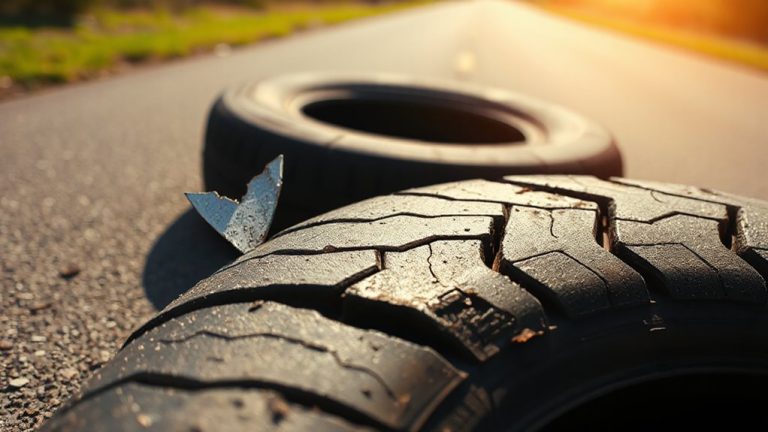
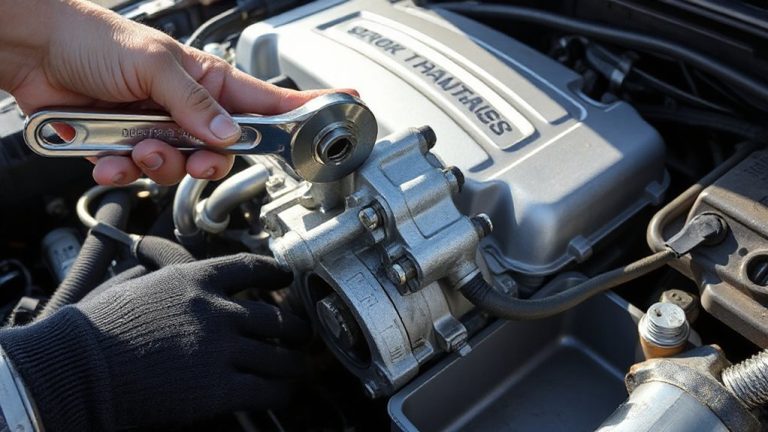
A mechanic’s inspection goes far beyond a quick glance under the hood. They thoroughly assess critical components to guarantee your vehicle operates safely and efficiently. Brake pads are measured for thickness; anything below 3mm indicates imminent replacement to maintain stopping power. Technicians check fluid levels-including engine oil, coolant, transmission, brake, and power steering-verifying they’re within manufacturer-specified ranges. Low or contaminated fluids can impair performance and lead to overheating or component wear. The battery is tested for voltage, typically requiring at least 12.6 volts when idle. Tires are inspected for tread depth, with legal minimums at 2/32 of an inch, though 4/32 is safer for wet conditions. Lights, belts, suspension parts, and exhaust systems are also examined. Each check follows standardized procedures to deliver reliable, actionable results.
When You Should Schedule Your Next Car Inspection
How often should you bring your car in for inspection? Most manufacturers recommend a checkup every 12,000 to 15,000 miles or once a year, whichever comes first. Seasonal changes are a smart trigger-schedule inspections before winter’s cold or summer’s heat stresses your battery, coolant, and AC. Major mileage milestones, like 30,000, 60,000, or 90,000 miles, often align with critical service intervals. At 60,000 miles, timing belts, spark plugs, and transmission fluid may need attention. Cold climates accelerate battery degradation; inspect voltage output and charge capacity before temperatures drop below 32°F. Tires should be evaluated for tread depth-anything under 4/32” reduces wet traction markedly. Don’t ignore subtle signs: a 10% drop in fuel economy can indicate engine or tire issues. Plan ahead-preventive timing beats roadside failure.
Easy DIY Checks That Boost Inspection Effectiveness
You can substantially improve the outcome of your next professional inspection by performing a few simple checks at home. Start with tire pressure, measured in psi, which should match the manufacturer’s specification-usually 32 to 35 psi-found on the driver’s side door jamb. Incorrect tire pressure reduces tread life and fuel efficiency. Use a calibrated digital gauge for accuracy. Next, check fluid levels: engine oil, coolant, brake fluid, power steering, and windshield washer fluid. Engine oil should sit between the “min” and “max” marks on the dipstick when the engine is off and cool. Coolant levels must be within the translucent reservoir’s marked range. Low brake fluid can indicate worn pads or system leaks. These checks guarantee technicians focus on critical issues, improving diagnostic precision and saving time during your official inspection.
Why Skipping Vehicle Inspections Costs You More
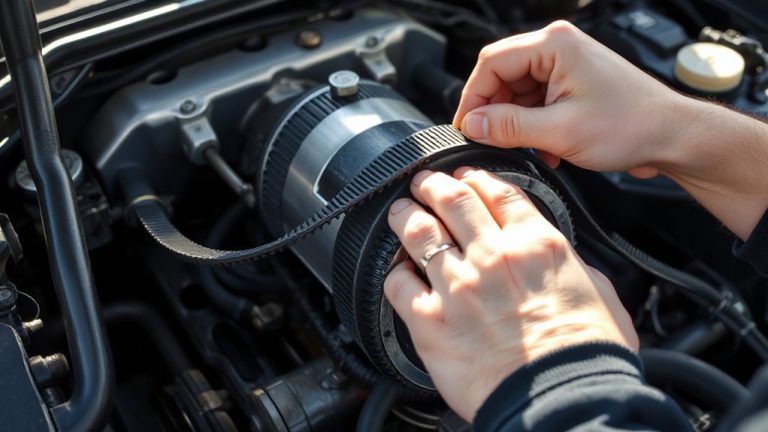
What happens when a small brake fluid leak goes undetected for months? It leads to spongy pedal response, then total brake failure. Ignored maintenance turns minor issues into major repairs. A $20 brake line check could prevent $1,200 in caliper and rotor damage. Hidden damages like corroded suspension components or worn timing belts often show no symptoms until failure. For example, a degraded serpentine belt-rated for 90,000 miles-can snap at 78,000 if never inspected. That sudden failure disables alternator, power steering, and AC. Repair costs exceed $450 versus $85 for timely replacement. Skipping inspections risks drivetrain stress, tire blowouts, and roadside towing averaging $175. Manufacturers recommend inspections every 5,000 miles. Regular checks detect hidden damages early. They cut long-term costs. You avoid cascading failures. Preventive care beats emergency repairs every time. Keeping a well-stocked roadside emergency kit can provide critical tools and supplies if a breakdown occurs despite regular maintenance.
On a final note
You prevent major failures with routine inspections. Mechanics verify fluid levels, brake thickness, tire tread depth (minimum 2/32 inch), and battery voltage (typically 12.6V off, 13.7–14.7V running). Early detection of worn timing belts or clogged filters avoids engine seizure. DIY checks enhance professional evaluations. Skipping inspections risks catalytic converter failure or transmission breakdown-repairs exceeding $2,000. Scheduled maintenance extends vehicle life and guarantees peak performance under real-world driving conditions.