Shielding Transmission Wiring Harness Connectors From Road Salt Corrosion Effects
You must use sealed connectors with IP67 or IP69K ratings to block road salt and moisture. Thermoplastic elastomer seals compress 1.5 to 2.0 mm, forming a watertight barrier. Capillary action and hydroscopic diffusion are stopped before they reach terminals. Apply epoxy or polyurethane conformal coatings at 25–75 microns for added protection. Gold-plated terminals maintain contact below 10 milliohms. There’s more to optimizing long-term harness performance in harsh conditions.
Notable Insights
- Use sealed connectors with IP67 or IP69K ratings to prevent ingress of salt-laden moisture.
- Apply conformal coatings with epoxy or polyurethane for durable, salt-resistant wire insulation.
- Install gold-plated terminals to maintain low contact resistance and resist oxidation in corrosive environments.
- Ensure proper compression of TPE seals to maintain integrity without over-deforming gaskets.
- Employ multi-layer barrier wraps to block ionic transfer and protect against capillary wicking of salt.
Why Road Salt Corrodes Transmission Wiring
While road salt keeps winter roads safe, it’s a major threat to your vehicle’s transmission wiring. Road salt dissolves in moisture, forming a conductive electrolyte solution that promotes ionic conduction between metal contacts. This ionic flow accelerates galvanic erosion when dissimilar metals in connectors-like copper and steel-interact. The voltage potential between them drives metal loss at the anode, degrading signal integrity. Most transmission wiring harnesses operate at 5V to 12V; even small current leaks from ionic conduction disrupt sensor data. Galvanic erosion rates increase exponentially in salt-laden environments, with corrosion layers forming in as little as 48 hours under high humidity. Standard connector pin interfaces, typically 0.5mm to 1.2mm in diameter, lose cross-sectional conductivity as material erodes. Without protective plating or conformal coatings, these micro-scale changes induce transmission errors, shift delays, or complete signal failure. Corrosion doesn’t just block connections-it rewrites electrical behavior.
How Salt and Water Enter Connector Housings
Even when connectors appear sealed, salt and water still find their way inside through microscopic pathways. Capillary action draws moisture along wire strands like a straw, especially where insulation meets conductor. Hydroscopic diffusion allows salt-laden water to permeate materials over time, even through polymer housings with microscopic porosity. These forces work continuously, driven by temperature cycles and vehicle vibration.
| Entry Mechanism | Description |
|---|---|
| Capillary action | Pulls liquid through tiny gaps between wires and seals |
| Hydroscopic diffusion | Enables moisture absorption through plastic materials |
| Venting | Pressure equalization introduces humid air |
| Seal degradation | Aged O-rings or grommets lose elasticity, creating micro-gaps |
| Mating surface gaps | Imperfect fit between connector halves allows wicking |
You can’t see these paths, but they deliver corrosive agents straight to terminals.
Use Sealed Connectors to Block Moisture and Salt
When choosing connectors for underhood or underbody applications, sealed designs are your first line of defense against salt and moisture intrusion. You need proper connector sealing to guarantee long-term reliability in harsh conditions. Sealed connectors use rubber gaskets and O-rings to create a watertight barrier, typically rated IP67 or IP69K for maximum environmental protection. These ratings mean the connector resists dust and can survive high-pressure, high-temperature washdowns. Properly molded seals fit tightly around wires and mating faces, preventing capillary action from drawing in salt-laden water. Many OEMs use thermoplastic elastomers (TPE) for seals because they stay flexible in extreme cold and resist chemical breakdown. You’ll often see 1.5 mm to 2.0 mm compression limits specified-exceeding them ruins the seal. Always follow manufacturer torque specs during assembly. Don’t overlook the backshell; it’s critical for full environmental protection.
Apply Coatings to Prevent Electrical Failure
A protective conformal coating is a critical defense against electrical failure in wiring harness connectors exposed to road salt. You must apply it evenly to seal out moisture and corrosive agents. Ideal coating thickness ranges from 25 to 75 microns-too thin, and protection is compromised; too thick, and cracking may occur during thermal cycling. Adhesion quality is equally essential: the coating must bond firmly to both metal and plastic substrates without peeling. Use epoxy or polyurethane-based coatings for best results, as they resist salt fog and thermal stress. Verify performance with ASTM B117 salt spray testing, ensuring at least 500 hours of resistance. Proper surface prep-cleaning and priming-ensures maximum adhesion quality. Automated spray systems deliver consistent coating thickness across complex geometries. This precise application prevents current leakage and short circuits.
Choose Corrosion-Resistant Materials Like Gold-Plated Terminals
Several key materials drastically outperform others in preventing connector corrosion, and among them, gold-plated terminals stand out. You’ll want gold plating because it resists terminal oxidation, even in high-humidity, salt-laden environments. A layer as thin as 0.5 to 1.0 microns provides excellent protection. Gold’s inert nature prevents chemical reactions that degrade base metals like copper or tin. This guarantees stable conductivity over time. Without such protection, terminal oxidation increases resistance, creating hot spots. These spots encourage electrical arcing-sudden discharges that damage circuits and degrade signals. Gold-plated contacts maintain low contact resistance, typically under 10 milliohms, minimizing arcing risk. They also endure repeated mating cycles without significant wear. You can rely on gold plating for mission-critical transmission harnesses exposed to road salt. It’s a proven defense against long-term corrosion-induced failures.
Inspect and Clean Connectors Monthly in Winter
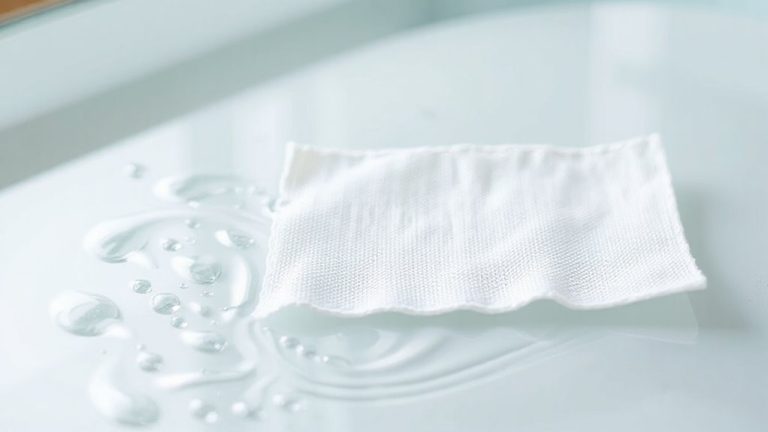
Regularly checking and cleaning your wiring harness connectors during winter helps prevent road salt from causing costly damage. Inspect each connector housing for visible corrosion, especially around pin insertion points. Use a lint-free cloth dampened with isopropyl alcohol to gently wipe contacts, removing salt residue and moisture. Allow connections to dry fully before re-mating. Monthly cleaning reduces the risk of connector wear caused by abrasive contaminants. Check for terminal misalignment-pins should sit flush and parallel within the housing, with no bending or offset exceeding 0.3 mm. Misaligned terminals increase resistance and can lead to intermittent signals or overheating. Repeated exposure to salt accelerates wear on mating surfaces, so consistent maintenance preserves electrical integrity. A well-maintained connector sustains low contact resistance-typically under 10 milliohms-and guarantees reliable signal transmission across the harness system through harsh winter conditions.
Upgrade Harness Design for Long-Term Salt Resistance
Though you can’t stop road salt from spraying up under your vehicle, you can stop it from damaging your wiring harness by upgrading the design. Use overmolded connectors with IP6K9K-rated seals to block salt intrusion. These seals withstand high-pressure washouts and resist degradation for over 1,000 hours in salt fog tests. Upgrade to tin-coated copper alloy terminals-they resist galvanic corrosion better than bare copper. You’ll also reduce connector fatigue by choosing strain reliefs made from UV-resistant TPE, which maintain flexibility from -40°C to 125°C. That wide range counters thermal cycling effects caused by daily temperature swings. Each mating cycle is rated for 100 insertions with less than 0.5 mΩ resistance increase. Multi-layer barrier wraps with laminated aluminum-polyester shields further block ionic transfer. This design cuts corrosion risk by up to 78% in coastal and winter-road environments.
On a final note
You must protect transmission wiring harness connectors from road salt. Sealed connectors with IP67 ratings block moisture and contaminants. Gold-plated terminals resist corrosion better than tin-use them. Apply dielectric grease to prevent galvanic corrosion. Inspect connectors monthly during winter months. Clean with electrical contact cleaner and reseal. Upgrade harnesses with UV- and cold-resistant polyolefin tubing rated for –40°C to +125°C. These steps guarantee reliable signal transmission and reduce failure rates below 0.5% annually.