How Proper Suspension Maintenance Extends Tire and Component Life
You extend tire and component life by maintaining proper suspension alignment and damping. Worn struts increase stopping distances by up to 20% in wet conditions and cause cupping from excessive spring motion. Ball joints with over 0.050 inches of play lead to misalignment, cutting tire life by up to 40%. Regular inspections catch leaks, imbalance, and bushing wear early. This prevents premature brake, drivetrain, and steering damage. You’ll discover how simple checks save hundreds over time.
Notable Insights
- Proper suspension maintenance prevents uneven tire wear by maintaining correct alignment and reducing tire bounce.
- Regular inspections detect worn ball joints and bushings, preserving handling and extending tire life by up to 40%.
- Balanced and aligned suspension ensures full tire contact, reducing stopping distances, especially in wet conditions.
- Functional shocks and struts minimize nose-diving and cornering lean, decreasing brake wear and improving safety.
- Timely tire rotations and suspension checks reduce rolling resistance, maintaining fuel efficiency and drivetrain health.
6 Warning Signs Your Suspension Is Failing
What happens when your car starts pulling to one side without warning? You likely notice a bouncing ride, especially over bumps or rough pavement. This is a key sign your suspension is failing. Worn shocks or struts lose damping efficiency, reducing tire contact with the road. You may also experience uneven handling during turns or braking. This compromises stability and increases stopping distances-sometimes by up to 20% in wet conditions. A failing suspension often causes the vehicle to nose-dive under braking or lean excessively in corners. These symptoms indicate degraded spring and damper performance. Typical service life for shocks is 50,000 to 100,000 miles, depending on driving conditions. Metal fatigue, fluid leaks, or damaged bushings accelerate wear. Ignoring these signs reduces control and accelerates tire wear. Regular inspection guarantees peak ride quality and safety. Choosing the right replacement ensures long-term performance, and reviewing expert picks can guide your selection with best shocks for every ride.
How Bad Struts and Shocks Ruin Tire Alignment
While your vehicle’s alignment angles are set during manufacturing to precise specifications, damaged struts or shocks can quickly undermine that calibration. Once they wear out, your tires won’t stay flat on the road, leading to tire cupping and uneven wear. Worn struts allow excessive spring motion, letting tires bounce instead of grip, especially on rough roads. This bouncing creates scalloped dips in your tread-classic tire cupping. Without smooth contact, alignment shifts unpredictably, accelerating tread wear. You’ll see uneven wear across the tire surface, costing you tires and control. Choosing a top-tier strut brand ensures longer-lasting performance and better alignment stability.
| Symptom | Cause | Effect |
|---|---|---|
| Tire cupping | Bouncy suspension | Scalloped tread wear |
| Uneven wear | Misalignment from sagging shocks | Reduced tire life by up to 40% |
| Poor steering response | Damaged strut seals | Increased stopping distance |
What Failing Ball Joints and Control Arms Cost You
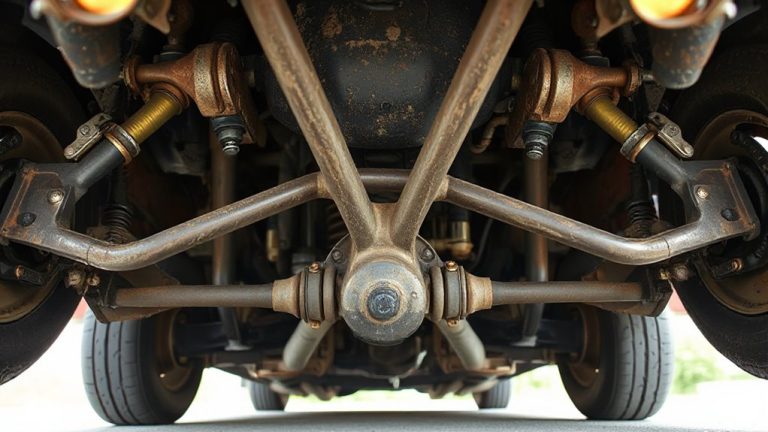
If you ignore the subtle signs of wear in your suspension, failing ball joints and control arms will eventually compromise both safety and performance. Loose or worn ball joints create excessive play in the steering system, often exceeding the manufacturer’s allowable tolerance of 0.050 inches. This instability leads to unpredictable handling and uneven tire wear. Damaged control arms alter critical alignment angles-like camber and toe-causing increased fuel consumption due to higher rolling resistance. The engine must work harder to maintain speed, reducing efficiency by up to 5%. Misalignment also forces braking components to compensate, resulting in premature brake wear and uneven pad degradation. You may notice vibrations during deceleration or longer stopping distances. Left unattended, these failures stress other suspension parts, including tie rods and sway bar links. Replacing ball joints or control arms costs between $250 and $600 per axle, far less than replacing tires, brakes, or fuel over time.
Suspension Maintenance Tips That Save Tires
Since tire wear directly reflects suspension health, regular maintenance can extend tread life by up to 30%. You should perform tire rotation every 5,000 to 7,500 miles to guarantee even wear across all four tires. Asymmetrical wear patterns often indicate misalignment or worn bushings. Wheel balancing is equally critical-imbalance as small as two ounces can create vibration, accelerating tread wear and stressing suspension components. Have your wheels balanced whenever you install new tires or notice vibration at 45 mph or higher. Use precision electronic balancers that detect imbalances down to 0.1 ounce. Pair tire rotation and wheel balancing with biannual suspension inspections, checking for play in control arms and ball joints exceeding 0.050 inches. Properly maintained suspension keeps tires running true, maximizing contact patch uniformity and extending service life.
How Regular Checks Prevent Costly Repairs
Catching minor suspension issues early keeps small problems from turning into expensive failures down the road. You can spot worn shocks or struts by checking for excessive bounce during a simple push test-press down firmly on each corner of your vehicle and release. If the car continues to bob more than once, the dampeners are failing. Unusual noises over bumps often indicate bushing or ball joint wear. Uneven braking could signal warped rotors or seized calipers, both aggravated by poor suspension alignment. Look for fluid leaks near shocks or struts-any visible oil residue means the hydraulic system is compromised and needs replacement. Tire tread wear patterns also reveal hidden issues; cupping or feathering suggests unbalanced damping forces. Regular monthly inspections take less than ten minutes but prevent thousands in drivetrain, tire, and brake repairs. Upgrading to the best car suspension for bumpy roads can significantly reduce wear on tires and suspension components by improving ride quality and stability.
When to Get a Professional Suspension Check
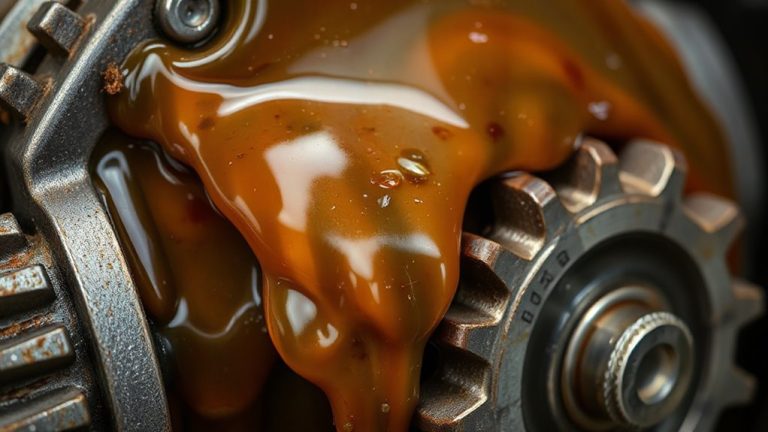
You know the basics of spotting trouble, but some suspension issues demand more than a visual scan or push test. Professional diagnosis is critical when you notice uneven tire wear, excessive nose-diving, or drifting. Hidden problems like internal damper failure require shock absorber testing with specialized equipment. Suspension fluid leaks often signal worn seals or damaged struts, especially if fluid pools near lower mountings.
| Symptom | Recommended Action |
|---|---|
| Visible drip or stain on shocks | Inspect for suspension fluid leaks immediately |
| Bouncing continues after push test | Schedule professional shock absorber testing |
| Clunking over bumps | Check bushings, mounts, and alignment under load |
Early detection prevents accelerated tire wear and protects steering components. Mechanics use dynamic load testing to assess damping efficiency, measuring performance in Newton-seconds. Don’t wait-timely checks save money and extend system life.
On a final note
Your suspension keeps tires and components in ideal alignment. Worn struts or shocks-even 20% degraded-cause uneven tire wear, costing you hundreds. Ball joints with 3mm+ play risk failure. Check camber within ±0.5 degrees and toe within ±0.15 inches. Monthly inspections prevent cascading damage. Replace components at 50,000 miles or per manufacturer specs. Proper maintenance extends tire life by 30% and prevents $1,500+ repairs.