How to Protect Rubber Suspension Bushings From Ozone Cracking
Choose EPDM rubber bushings for superior ozone resistance due to their saturated polymer structure. They withstand temperatures from -50°C to +150°C and resist cracking for years, unlike natural rubber. Clean regularly with mild soap and water to remove road salt and brake fluid. Apply silicone-based or synthetic gel lubricants monthly-gels last over 45 days. Use UV-blocking neoprene sleeves to shield against sunlight. Avoid exposure to diesel exhaust and oil to preserve elasticity; further protection strategies follow.
Notable Insights
- Use EPDM rubber bushings for superior ozone and weather resistance due to their saturated polymer structure.
- Clean bushings regularly with mild soap and water to remove ozone-accelerating contaminants like salt and brake fluid.
- Apply silicone-based or synthetic gel lubricants monthly to create a protective barrier against ozone exposure.
- Install UV-blocking neoprene sleeves or aftermarket covers to shield bushings from sunlight degradation.
- Minimize exposure to pollutants like diesel exhaust, oil, and brake dust that accelerate ozone cracking and rubber deterioration.
Choose EPDM Rubber to Resist Ozone Cracking
Ozone resistance starts with the right material choice-EPDM rubber stands out for its ability to withstand environmental degradation. Your material selection directly impacts bushing longevity. EPDM (ethylene propylene diene monomer) offers superior resistance to ozone, UV radiation, and weathering. Unlike natural rubber, which cracks within months under ozone exposure, EPDM maintains integrity for years. This rubber contains saturated polymer chains, making it less reactive to oxidative attack. It also provides strong chemical resistance, enduring exposure to brake fluids, antifreeze, and road salts without swelling or weakening. EPDM operates effectively from -50°C to +150°C, maintaining elasticity across temperature extremes. Typical hardness ranges from 50 to 70 Shore A, ideal for automotive suspension compliance. You benefit from reduced maintenance and extended service life. Choosing EPDM isn’t just about durability-it’s a technical upgrade ensuring performance in harsh environments where standard rubber would fail.
Clean Bushings to Prevent Ozone Damage Buildup
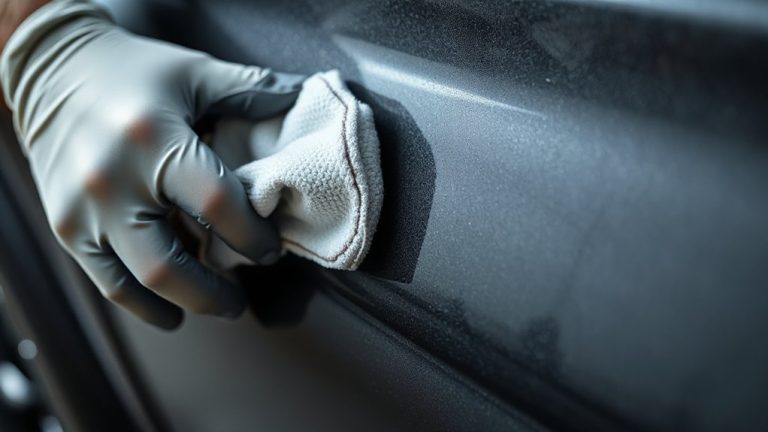
Why do some rubber bushings crack prematurely despite being made from ozone-resistant materials? Contaminants like road salt, brake fluid, and grime accumulate on bushings, accelerating degradation. These substances contribute to chemical exposure that weakens rubber compounds over time. You must clean bushings regularly to remove harmful deposits. Use a mild soap and water solution with a soft brush-avoid petroleum-based cleaners that can cause swelling or deterioration. Rinse thoroughly and let dry completely. Built-up debris traps moisture and creates microenvironments where ozone attacks initiate. Temperature fluctuations further stress the rubber, promoting crack formation when contaminants are present. Cleaning eliminates these triggers, maintaining material integrity. Routine inspection and washing prevent hidden damage. A clean bushing resists environmental stresses better than a soiled one. Prevention through hygiene is simple, cost-effective, and critical for long service life.
Use Ozone-Protective Lubricants Monthly
Regularly applying an ozone-protective lubricant helps extend the life of your rubber suspension bushings by forming a durable barrier against environmental degradation. These synthetic lubricants resist breakdown from atmospheric ozone, preventing surface cracks that compromise performance. Unlike conventional greases, ozone-specific formulas bond tightly to rubber, maintaining protective coatings under vibration and temperature shifts. For best results, apply monthly using a clean brush or applicator nozzle.
| Product Type | Protection Duration |
|---|---|
| Silicone-based spray | Up to 30 days |
| Synthetic gel | 45+ days |
The gel variant offers extended shielding due to its higher viscosity and adhesion properties. Consistent use of these protective coatings reduces oxidation and maintains bushing flexibility. Always confirm compatibility with your bushing’s rubber compound before full application. This routine maintenance step is cost-effective and essential for long-term suspension integrity.
Block Sunlight and UV to Stop Rubber Degradation
When exposed to direct sunlight, rubber suspension bushings undergo accelerated molecular breakdown due to ultraviolet (UV) radiation, leading to surface cracking and loss of elasticity. You can prevent this with effective rubber shielding. UV filtration materials, like synthetic neoprene sleeves or UV-stabilized polymer covers, block over 98% of harmful UVA and UVB rays. These shields typically range from 1.5 to 3 mm thick, providing durable barriers without restricting suspension movement. Installed properly, they reduce photo-oxidative degradation by limiting radiant energy exposure. Rubber compounds without UV protection degrade up to 60% faster under continuous sunlight. Use aftermarket shields with integrated UV filtration for maximum lifespan. These products are engineered to match OEM geometries, guaranteeing precise fitment. Regular inspection guarantees shielding remains intact, maintaining protection. Blocking UV isn’t optional-it’s essential for preserving rubber integrity. Prevent degradation before it starts.
Avoid Exhaust and Road Pollutants
Protecting rubber suspension bushings means more than just blocking sunlight-exposure to chemical exposure from exhaust gases and road contaminants accelerates deterioration just as quickly. Continuous heat stress from nearby exhaust systems compounds this damage, weakening rubber’s molecular structure.
| Pollutant Type | Effect on Rubber Bushings |
|---|---|
| Diesel exhaust | Causes chemical exposure, leading to swelling and softening |
| Road salt | Promotes corrosion and accelerates ozone cracking |
| Brake dust | Abrasive particles trap moisture and increase wear |
| Oil residue | Breaks down rubber compounds over time |
| Hot exhaust gases | Applies heat stress above 150°F, degrading elasticity |
You must position shields or barriers to deflect these pollutants. Use neoprene bushings where possible-they resist chemical exposure better than standard rubber. Proper routing of exhaust systems reduces direct heat stress. Regular cleaning helps too, but replacement may be needed in high-exposure environments.
Inspect for Cracks Every 6 Months
Every six months, you should inspect your rubber suspension bushings for cracks-this schedule catches early signs of ozone cracking before structural failure occurs. Use a flashlight and, if necessary, a magnifying glass to examine all accessible bushings thoroughly. Look for small surface fissures, especially in areas with high flex or stress. These cracks indicate material fatigue and may worsen due to age degradation over time. Rubber compounds typically last 8–10 years, but exposure conditions can reduce service life by up to 50%. Monitor bushings near exhaust systems or wheels where heat and contaminants accelerate deterioration. Replace any bushing showing deep cracks, splitting, or loss of elasticity. Preventive inspection guarantees suspension geometry remains intact, maintaining alignment and handling. Neglecting checks risks increased vibration, noise, and premature wear on related components. Regular monitoring is essential-do not wait for symptoms like clunking or uneven tire wear.
Why Ozone Causes Rubber Bushing Failure?
Rubber bushings degrade over time, and one of the main culprits is ozone exposure. Ozone causes a chemical reaction with the double bonds in rubber molecules, especially in non-resistant elastomers like natural rubber. You’ll often see this as surface cracking perpendicular to the stress direction. This chemical reaction initiates at just 25–50 parts per hundred million ozone concentration-levels common in urban environments. The result is molecular breakdown, weakening the rubber’s tensile strength and flexibility. Cracks start microscopically but grow with vibration and load, compromising suspension performance. Standard NBR rubber lasts about 2–3 years under moderate exposure, while EPDM or ozone-resistant blends can exceed 7 years. The molecular breakdown reduces elasticity by up to 40%, increasing stiffness and road noise. Protective waxes and antioxidants slow the process, but they deplete over time. Ozone-induced failure isn’t sudden-it’s progressive, silent, and costly if overlooked.
On a final note
You must use EPDM rubber bushings-they resist ozone better than natural rubber due to saturated polymer chains. Clean them every three months to remove grime that accelerates cracking. Apply a silicone-based lubricant monthly; it forms a protective barrier without degrading rubber. Shield bushings from UV with rubber boots or insulating sleeves. Position vehicles away from exhaust fumes. Inspect every six months using a 10x magnifier for cracks over 0.5 mm.