Boost Pressure Sensor Recalibration Following Intake Modifications
After installing an intake upgrade, you need to recalibrate your boost pressure sensor because it alters airflow dynamics the ECU depends on. Without recalibration, pressure readings can skew by 5–10 kPa, causing incorrect fueling and timing. The ECU relies on precise input to manage turbo output, and even a 3 psi error triggers performance loss or detonation risk. False diagnostics like P0236 may appear. You’ll want to use an OBD2 scanner to zero the sensor at atmospheric pressure with a fully warmed engine-failing to follow correct adaptation steps leaves the system working from outdated baselines. Proper recalibration guarantees accurate load calculation and prevents long-term drivability issues. You’ll discover the exact process and critical pitfalls to avoid next.
Notable Insights
- Intake upgrades change airflow dynamics, requiring boost sensor recalibration to maintain accurate ECU readings.
- Incorrect sensor data can cause a 5–10 kPa pressure variance, leading to poor fueling and timing errors.
- Use an OBD2 scanner to recalibrate the sensor and ensure live data matches actual boost pressure.
- Always perform recalibration with the engine at operating temperature and in a stable thermal environment.
- Skipping recalibration may trigger DTCs, reduce power, and increase the risk of engine knock or surging.
Why Your Intake Mod Requires Boost Sensor Recalibration
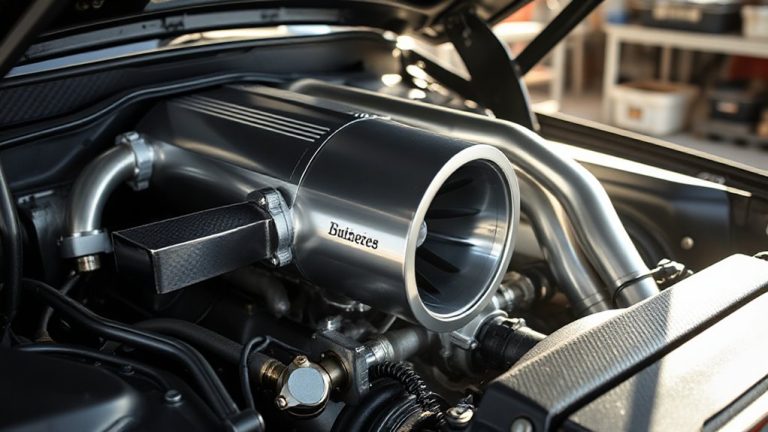
While upgrading your intake system improves airflow, it often alters the pressure dynamics the engine control unit (ECU) expects, which is why recalibrating the boost pressure sensor becomes essential. The ECU relies on precise input from this sensor to regulate turbocharger output. Changes in air density from a freer-flowing intake can skew sensor readings. Your engine may receive more oxygen than the ECU anticipates, disrupting the air-fuel ratio. Without recalibration, boost response suffers-turbo lag increases or surge occurs. The sensor measures pressure differentials in kilopascals (kPa), and even a 5–10 kPa variance triggers incorrect fueling or timing. Proper recalibration aligns sensor output with actual intake conditions. This guarantees accurate boost control, maintains engine protection protocols, and optimizes performance. You preserve drivability, throttle precision, and long-term reliability by matching the sensor’s calibration to your modified airflow characteristics.
Signs Your Boost Pressure Sensor Is Out of Calibration
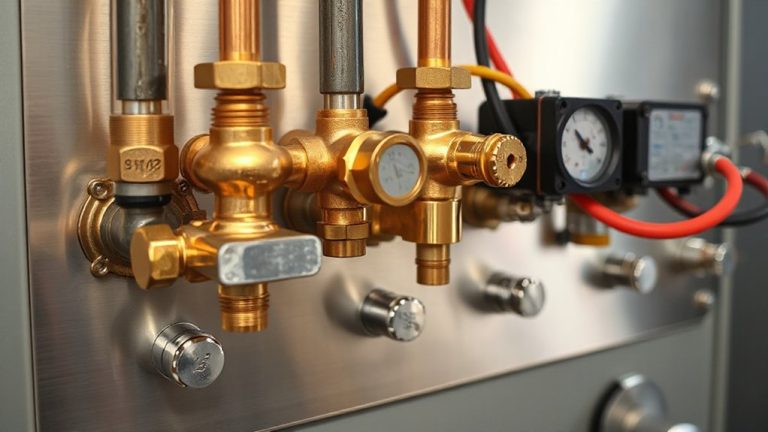
You might notice drivability issues after modifying your intake system, and one of the first components to suspect is the boost pressure sensor. Sensor drift occurs when the sensor’s output shifts from factory specifications, often due to changes in airflow dynamics. This leads to false readings, where the ECU receives incorrect pressure data-like 12 psi instead of the actual 15 psi. You’ll see reduced power, hesitation during acceleration, or sudden limp mode activation. Turbo response appears sluggish even when boost builds normally. Fuel trims may go out of range, increasing emissions and reducing efficiency. Check engine lights commonly appear, with DTCs like P0236 or P003A. The sensor measures pressure differential using a piezoresistive element, so even minor calibration errors disrupt combustion calculations. Without recalibration, long-term performance suffers.
What You Need to Recalibrate the Boost Pressure Sensor
A proper recalibration starts with the right tools and conditions, guaranteeing accuracy and long-term reliability. You’ll need a digital OBD2 scanner capable of live data streaming, preferably one that supports boost pressure readings in PSI or bar. A stable power source is critical-use a battery maintainer to prevent voltage drops. Guarantee the engine is at normal operating temperature. You must also have access to your vehicle’s service manual for correct idle relearn procedures. Calibration requires a clean, dry environment to protect sensitive electronics. Avoid drafts or moisture near the sensor. Use OEM-grade intake components to maintain boost accuracy. Proper sealing prevents false readings that compromise sensor longevity. Always reset error codes before starting. These steps create a controlled baseline. Accurate atmospheric pressure reference is essential-most systems auto-calibrate at startup if conditions are met. Skipping any step risks incomplete adaptation.
How to Recalibrate the Boost Pressure Sensor in 5 Steps
Getting the boost pressure sensor recalibrated properly means following a precise sequence that guarantees the engine management system receives accurate air intake data. Maintaining boost accuracy and proper sensor alignment secures peak performance after intake modifications. Below are the five essential steps:
| Step | Action |
|---|---|
| 1 | Turn off the engine and disconnect the battery for safety. |
| 2 | Locate the boost pressure sensor and inspect for correct sensor alignment. |
| 3 | Reconnect the battery and use an OBD2 scanner to initiate sensor adaptation mode. |
| 4 | Follow the scanner prompts to zero the sensor under atmospheric pressure. |
| 5 | Test drive the vehicle to verify boost accuracy under load. |
Proper calibration restores factory-equivalent response and prevents ECU errors.
Don’t Make These Boost Sensor Recalibration Mistakes
What could go wrong if the sensor isn’t properly reset? You risk inaccurate boost readings due to sensor drift, leading to poor engine performance or damage. Performing recalibration without accounting for proper calibration timing undermines accuracy. Wait at least 10 seconds after ignition-on for the ECU to power up the sensor circuit. Skipping this delay causes false baseline readings. Always perform recalibration at ambient temperatures between 68°F and 77°F (20°C–25°C) to prevent thermal interference. Avoid recalibrating under load-boost pressure must be at zero. Sensor drift over time means periodic recalibration is necessary, especially after intake modifications. Guarantee the intake tract is sealed; even minor leaks distort reference pressure. Use manufacturer-specified procedures-aftermarket methods often ignore voltage tolerances within ±0.05V. Proper calibration timing synchronizes the ECU’s reference map with real-time sensor output, maintaining boost control within ±0.5 psi accuracy.
What Happens If You Skip Recalibration
Skipping boost pressure sensor recalibration leaves your engine operating with outdated or incorrect pressure references, compounding the risks already introduced by improper reset procedures. Your ECU relies on precise data to manage fuel delivery and ignition timing. Without recalibration, even minor boost leaks or changes in air turbulence from new intake hardware skew sensor feedback. This causes inaccurate air-fuel ratios, risking detonation or reduced power.
| Issue | Consequence |
|---|---|
| Unmetered air entry | Lean conditions, possible knock |
| Altered air turbulence | Sensor reads low, rich mixture |
| Undetected boost leaks | Over-fueling, wasted fuel |
| Pressure offset errors | Turbo overboost or underboost |
You’ll see degraded throttle response and potential long-term engine wear. The sensor doesn’t self-correct-manual recalibration guarantees it reports actual manifold pressure. Ignoring it means your upgrades likely hurt rather than help performance.
When to Retune Your ECU After Sensor Calibration
Why would you calibrate the boost pressure sensor and not follow up with an ECU retune? You wouldn’t-it’s critical. After recalibration, your sensor reports accurate boost levels, but your ECU still uses old data for ECU timing and fuel mapping. That mismatch can cause knock, poor throttle response, or even engine damage. Any time you modify intake components or recalibrate the boost sensor, you must retune. A proper retune adjusts ignition timing to match new airflow and prevents detonation under load. It also revises fuel mapping to maintain ideal air-fuel ratios, especially above 8 psi where most turbo engines go rich or lean without correction. Use a calibrated wideband O2 sensor and data logging to verify adjustments. Without retuning, you’re relying on open-loop defaults-risky and inefficient. Retune guarantees precision, power, and protection.
On a final note
Your intake mods alter airflow dynamics, necessitating boost pressure sensor recalibration. Modern sensors measure pressure in kPa or psi-typically 0–300 kPa for turbocharged engines. An uncalibrated sensor causes incorrect fueling and timing. Recalibrate using a scan tool with live data to guarantee readings match actual manifold pressure. Skipping this step risks detonation, poor throttle response, and reduced efficiency. Proper calibration guarantees maximum air-fuel ratio and peak performance.