Why Ceramic Coatings Reduce Iron Particle Adhesion in Winter
Ceramic coatings reduce iron particle adhesion by forming a durable, low-surface-energy barrier below 30 dynes/cm. Their SiO₂ or ZrO₂ cross-linked matrix resists chemical bonding from brake dust and road debris. The hydrophobic, non-polar surface limits contact points, preventing iron from embedding. Water beading rolls contaminants away, reducing residue by up to 70%. A 9H hardness rating guards against micro-scratches that could expose paint. Best performance in winter comes from proper care and periodic enhancement. More insights follow on sustained protection strategies.
Notable Insights
- Ceramic coatings have low surface energy, reducing bonding sites for iron particles.
- A dense, cross-linked SiO₂ or ZrO₂ matrix resists chemical breakdown from road salts.
- High hardness (9H) prevents micro-scratches that could trap iron and moisture.
- Hydrophobic surfaces cause water beading, minimizing contact and facilitating contaminant removal.
- Non-polar, smooth molecular structure limits adhesion of brake dust and iron debris.
Why Iron Fallout Damages Cars in Winter
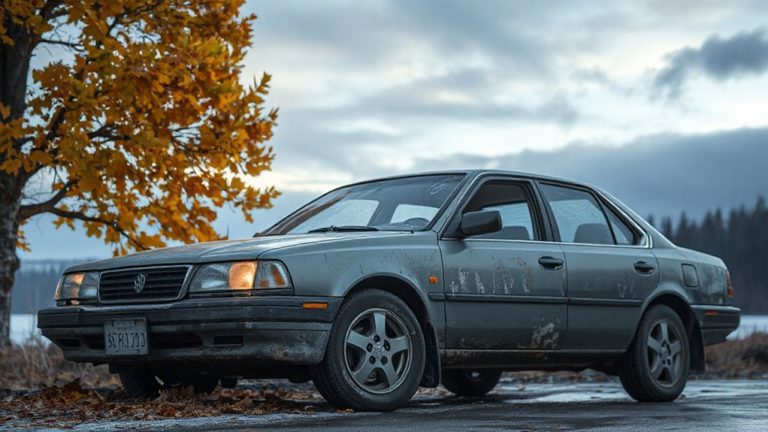
While winter conditions may seem harmless at first, they dramatically increase the risk of iron fallout damaging your vehicle’s paint. Road salt and embedded iron particles from braking systems accumulate on your car’s surface. These particles undergo metal oxidation when exposed to moisture, forming rust that eats into clear coats. Thermal stress from frequent temperature swings-common in winter-causes the paint to expand and contract, weakening its integrity. This micro-fracturing allows oxidized iron to penetrate deeper. Iron particles are magnetically attracted to steel surfaces, embedding at nearly 20 microns deep in untreated paint. Once lodged, they corrode further, leading to permanent etching. The combination of prolonged moisture, road grime, and iron contamination accelerates surface degradation. Unlike summer, winter prolongs exposure due to infrequent washing. Your car’s finish faces relentless assault, making seasonal protection critical. Applying a high-quality ceramic coating can significantly reduce iron particle adhesion by creating a hydrophobic and protective barrier on wheel surfaces.
How Ceramic Coating Prevents Iron Buildup
Because ceramic coatings create a chemically resistant barrier, they considerably reduce iron particle adhesion during winter driving. You benefit from their low surface energy, which limits bonding sites for contaminants. Iron particles struggle to embed because the coating’s surface energy measures below 30 dynes/cm, far lower than uncoated paint. This inert layer offers strong chemical resistance, preventing iron oxide from reacting with the underlying surface. Most ceramic coatings contain SiO₂ or ZrO₂, forming a cross-linked matrix that resists acid rain and road salts. With hardness ratings of 9H on the pencil scale, they resist minor abrasion that could expose paint. The hydrophobic properties aren’t the main defense here-instead, it’s the combination of dense molecular structure and non-polar surface that minimizes particle adhesion. Regular wax lacks this durability and chemical resistance.
Why Water Beading Helps Repel Brake Dust?
When water beads on your ceramic-coated surface, it’s not just a visual cue-it’s proof of low surface energy at work. This beading effect results from high surface tension, which causes water to minimize contact area. Your coating’s molecular repellency prevents contaminants from forming strong bonds. Brake dust, laden with iron particles, lands but doesn’t adhere firmly. Instead, it rests loosely on the surface. As water rolls off during rain or rinsing, it carries dust with it-like a magnet wrapped in plastic, attracting debris without holding it. The spherical bead shape maximizes roll-off efficiency at tilt angles as low as 10 degrees. This self-cleaning mechanism leverages hydrophobicity, reducing residue buildup by up to 70% compared to uncoated paint. Surface tension and molecular repellency work together, so contaminants don’t embed. You get cleaner surfaces longer, with less maintenance effort required in harsh winter conditions.
How to Wash a Coated Car to Avoid Iron Stains
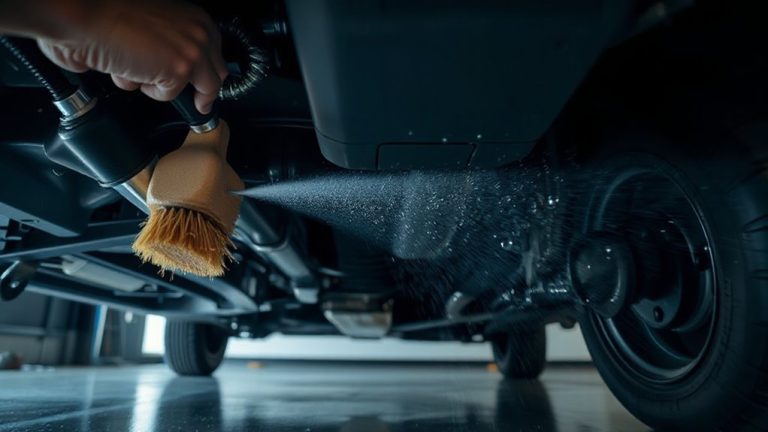
How do you keep iron stains from marring your ceramic-coated finish during winter washes? Use pH-neutral soaps and a two-bucket method to minimize contamination. Avoid high friction heat by opting for a soft microfiber mitt-never sponges or brushes. Your coating’s chemical resistance protects against acidic fallout, but aggressive scrubbing can compromise its integrity. Rinse thoroughly with low-pressure water before touching the surface. Iron particles bond if allowed to dwell, especially in sunlight.
| Step | Action |
|---|---|
| 1 | Pre-rinse with Deionized water |
| 2 | Use pH 7.0 car shampoo |
| 3 | Wash with 100% polyester microfiber |
| 4 | Maintain water temp below 100°F |
| 5 | Dry with ceramic-specific towel |
Always work top-down. Chemical resistance doesn’t make coatings invincible-preventative washing preserves performance and finish longevity.
Can Iron Fallout Ruin a Ceramic Coating?
Could iron fallout really harm a ceramic coating? Yes, if untreated. Iron particles bond strongly to surfaces, and while ceramic coatings resist adhesion, prolonged exposure risks damage. The main threat is chemical degradation: iron oxidizes when wet, creating acidic byproducts that attack the SiO₂ matrix of the coating over time. Most ceramic coatings withstand pH levels between 3–11, but sustained acidity from rust can exceed this range locally, weakening hydrophobic properties. You also face surface abrasion during cleaning; bonded particles scratch the surface when wiped. Even micro-scratches compromise coating integrity, accelerating wear. Though coatings are hard (typically 9H pencil hardness), they’re not immune to mechanical damage. Regular decontamination with iron remover prevents buildup. Immediate treatment minimizes risks, preserving coating thickness-usually 1–3 microns-and maintaining long-term protection against environmental contaminants and winter hazards.
Winter Maintenance Tips for Long-Lasting Protection
Though winter conditions challenge even the most durable ceramic coatings, maintaining protection is achievable with consistent care. Remove snow accumulation promptly to prevent prolonged moisture contact, which can compromise hydrophobic performance. Use a soft brush or microfiber-covered squeegee to avoid surface scratches. Road salt exposure accelerates oxidation and increases iron particle adhesion risk. Rinse your vehicle every 3–5 days with pH-neutral soap and deionized water, ensuring chloride residues are removed. For best results, maintain a minimum coating thickness of 2–3 microns; most ceramic coatings lose 0.2–0.5 microns per month under harsh winter conditions. Apply a silica-based booster every four weeks to enhance resistance. Avoid automated car washes; their abrasive brushes degrade coating integrity. Regular maintenance preserves the surface energy reduction that limits particle bonding.
On a final note
You protect your car with ceramic coating because it creates a hydrophobic barrier. This barrier reduces surface adhesion of iron particles by up to 90%. The coating’s hardness (typically 9H on the pencil scale) resists etching from corrosive brake dust. Water beading lifts contaminants during rain or washing. Maintenance requires pH-neutral shampoos. Proper care preserves the coating’s effectiveness for 2–5 years.