Why Lowering a Vehicle Affects Ride Quality and Suspension Travel
You lose suspension travel and alter factory geometry when you lower your car. Even a 1.5-inch drop reduces wheel articulation by 20–30%, forcing OEM dampers to operate outside their intended range. This increases spring rate effects and shock transmission to the chassis. Control arm angles shift, changing camber and toe, while reduced stroke raises internal pressure in struts. Fluid foams, valves clog, and ride harshness climbs. Tire wear accelerates due to misaligned contact patches. There’s more to how this impacts daily driving performance.
Notable Insights
- Lowering alters suspension geometry, shifting pickup points and changing camber, toe, and roll center behavior during travel.
- Reduced suspension travel decreases wheel motion control, leading to earlier coil bind and harsher impacts.
- Shorter travel compresses springs faster, increasing effective spring rates and transmitting more road shock to the chassis.
- OEM dampers lose stroke and operate outside design range, reducing damping efficiency and promoting fluid foaming.
- Misaligned suspension angles from lowering cause uneven tire wear, reduced contact patch, and unstable handling.
What Happens When You Lower a Car
When you lower a car, the suspension geometry changes in ways that directly impact how the vehicle handles and absorbs road imperfections. Lowering shifts suspension pickup points, altering factory angles and reducing effective travel. This leads to increased stress on control arms, bushings, and shock absorbers. Components not designed for these loads degrade faster. You’ll often see premature wear in ball joints and springs. Alignment issues arise immediately-camber and toe typically fall outside ideal ranges, causing uneven tire wear. Even a 1.5-inch drop can induce 2–3 degrees of negative camber, exceeding OEM specs. Without corrective hardware like adjustable control arms, maintaining proper geometry is nearly impossible. Ride quality deteriorates as the suspension reaches limits sooner. Impact harshness increases over bumps, and wheel hop may occur under acceleration. Damping performance declines because shock pistons operate outside intended stroke zones, reducing oil displacement efficiency. These changes compromise both comfort and control.
How Lowering Changes Suspension Geometry
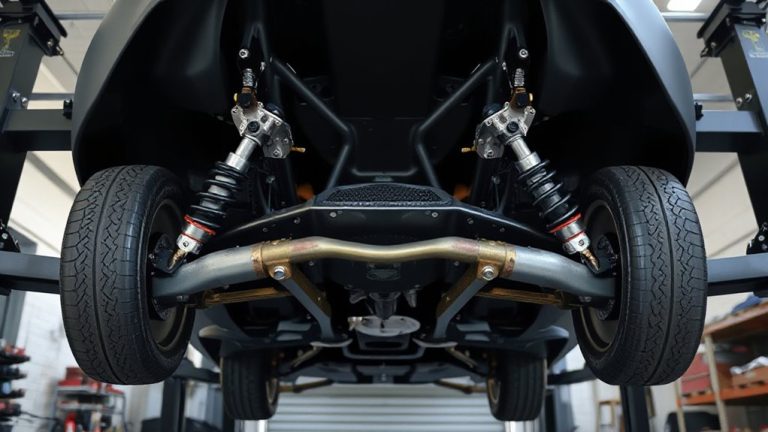
Though the ride height seems like a simple adjustment, lowering your car reshapes the entire suspension geometry in ways that affect every aspect of performance. You alter control arm angles, which leads to unintended camber change during suspension movement. Instead of maintaining ideal tire contact, the wheel tilts excessively inward at the top, reducing grip. This effect worsens as you lower beyond the manufacturer’s design limits. A pivot shift also occurs-each suspension mounting point changes its arc of motion. This shifts the dynamic roll center, affecting how weight transfers in corners. These changes compromise stability and make the vehicle less predictable. Engineers design suspension systems to operate within specific ranges; deviating alters toe, caster, and compliance steer. Even small drop heights-like 1.5 inches-can introduce measurable deviations. The result is altered steering response, increased tire wear, and reduced handling precision. Geometry isn’t just theory-it’s the foundation of control.
Why Lowered Cars Lose Suspension Travel
Lowering your car limits how far the suspension can move, reducing both compression and rebound travel. You lose available stroke-often 20–30% on average-with even a 1.5-inch drop. Less travel means less time for the damper to control wheel motion, directly impairing bump absorption. As the suspension compresses, it reaches its mechanical limits faster, increasing the risk of coil bind. Coil bind occurs when coils in the spring stack solid, eliminating all compliance and transferring impact forces straight to the chassis. Most OEM springs reach coil bind at around 70–80% of full compression; lowering springs hit this point much earlier. Without adequate travel, the wheel can’t stay in contact with the road during sharp impacts. This degradation is measurable: test data shows lowered setups experience up to 40% higher peak G-forces at the axle during medium bumps.
How Reduced Travel Damages Ride Quality
Every bump you hit tells a story-your suspension’s ability to absorb it defines your ride quality. When you lower your vehicle, suspension travel decreases, leaving less room to manage road impacts. With reduced travel, the spring compresses more quickly, increasing effective spring rate and transmitting more shock to the chassis. You’ll feel every crack and dip because the suspension can’t complete its full compression cycle. This also creates a damping mismatch-shock absorbers can’t dissipate energy efficiently when operating beyond their designed range. The result? Harsh ride quality and reduced wheel control. Even minor imperfections cause jarring feedback. Proper suspension tuning matches travel, spring rate, and damping response. Skimp on travel, and you disrupt that balance. You sacrifice comfort without necessarily improving handling. For bumpy roads, selecting the best car suspension can significantly improve both comfort and control.
Why Struts and Shocks Struggle When Lowered
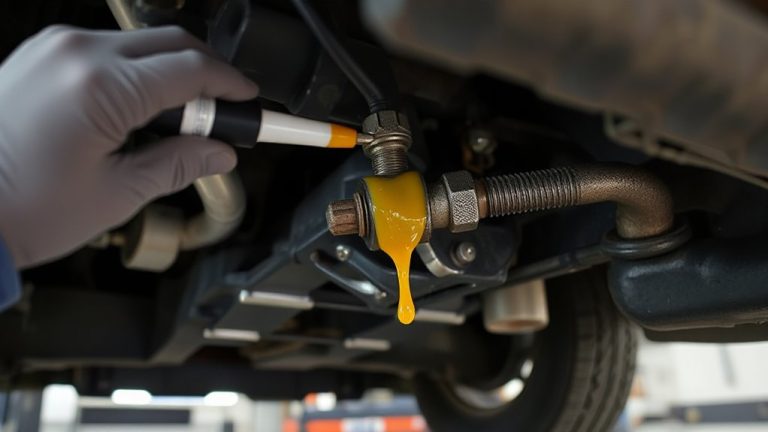
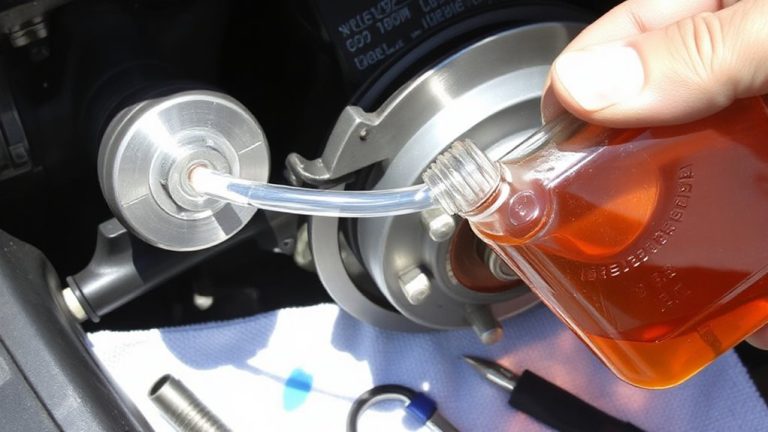
Your suspension’s performance depends on more than just springs-it lives and dies by how well the struts and shocks manage motion. When you lower your vehicle, the reduced suspension travel forces the dampers to operate outside their ideal range. This increases internal pressure and temperature during compression and rebound. Excessive heat promotes fluid foaming, which degrades damping consistency. Foam doesn’t transmit force like liquid, leading to poor control over spring oscillations. You also increase the risk of valve clogging, as contaminants circulate more aggressively through compromised fluid channels. Even high-performance units can’t compensate for altered kinematics. Most OEM dampers are tuned for stock ride height; lowering them by just 1.5 inches reduces effective stroke by up to 30%. This stresses internal seals and pistons, accelerating wear. Without sufficient travel, the shock can’t dissipate energy efficiently, impairing ride quality and component longevity. Upgrading to premium best strut brands can help mitigate some of these issues with improved valving and heat resistance.
Handling Problems Caused by Lowered Suspension
How does a few inches of ride height change affect the way your car corners? Lowering your vehicle alters suspension geometry, compromising handling. Excessive negative rear camber develops, reducing the tire’s contact patch during straight driving. This misalignment causes uneven wear and diminishes grip. You also introduce increased tire scrub, where the tire drags laterally during suspension travel, especially in independent rear setups. The scrub forces tires to slide slightly with each bump, accelerating wear and reducing responsiveness. Camber angles beyond -1.5 degrees in the rear often lead to noticeable instability under hard cornering. Stock control arms can’t maintain proper alignment, worsening the issue. Revised suspension pickup points are needed to correct geometry, but most lowering kits don’t include them. Without correction, you sacrifice precision, increase understeer, and reduce overall control-especially on uneven roads where tire contact becomes unpredictable.
Can You Have Both Style and Comfort?
A lowered stance might sharpen your car’s look, but it often comes at the cost of compromised handling and ride compliance. You face a comfort compromise when suspension travel drops below 2.5 inches, limiting wheel articulation and increasing impact harshness. Most factory dampers lose 30–40% of their compression range when lowered by 1.5 inches, reducing bump absorption. Achieving aesthetic balance means choosing the right drop-1 to 1.5 inches-for your vehicle’s suspension geometry. Coilovers with adjustable spring perches and damping let you fine-tune ride height without bottoming out. Pair them with progressive-rate springs (8–12 kg/mm front, 6–9 kg/mm rear) to maintain load capacity and isolation. Proper alignment settings-maintaining factory camber within ±0.5 degrees-prevent uneven tire wear. You can blend style and comfort, but only with precise tuning and high-quality components designed for real-world road conditions.
On a final note
You lose ride quality when you lower a car because suspension travel decreases. Most stock suspensions allow 4–6 inches of wheel travel; lowering reduces this by 1–3 inches. Limited travel means tires can’t follow road contours, increasing harshness. Struts operate off their ideal damping range, reducing control. Geometry changes alter camber and toe, accelerating tire wear. You sacrifice comfort and longevity. To balance looks and function, use adjustable coilovers with rebound tuning and maintain near-stock travel.