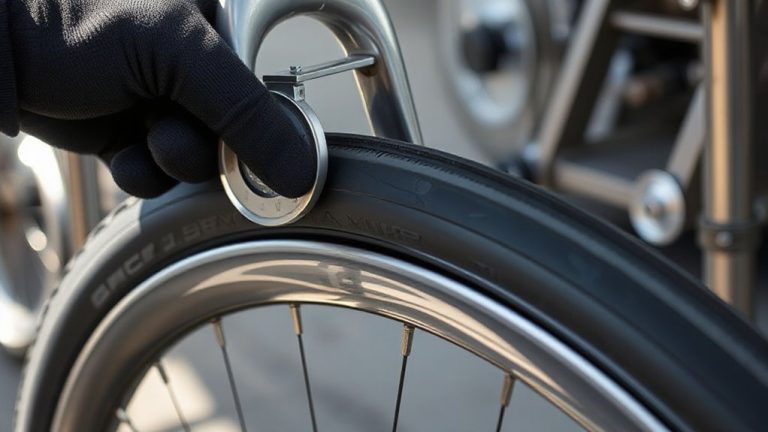
How to Clean Paint Protection Film on Active Aerodynamic Components
Clean your active aerodynamic PPF with pH-neutral soap (6.5–7.5) to protect its heat-sensitive urethane layer, which can self-activate above 40°C and degrade under steam or harsh chemicals. Use a 220–300 g/m² microfiber cloth and PET bristle brushes no thicker than 0.1 mm to avoid scratches. Rinse with a rubber-edged squeegee and dry with a lint-free chamois using blotting motions. For stubborn residue, apply 50% isopropyl alcohol via damp cloth-never pour directly. Clean every two weeks to maintain hydrophobic properties, adhesive integrity, and warranty compliance, as monthly cleaning allows buildup that impairs performance. Maximum care guarantees long-term aerodynamic efficiency and surface resilience.
Notable Insights
- Use pH-neutral soap (6.5–7.5) to preserve the reactive polymer layer and prevent film degradation.
- Clean with soft microfiber cloths and PET-bristled brushes to avoid scratching or edge lifting.
- Avoid steam washing and excessive heat to prevent premature activation of self-healing properties.
- Wipe seams and edges gently with a damp cloth; use 50% isopropyl alcohol solution sparingly for residue.
- Dry thoroughly with a lint-free chamois or compressed air to prevent moisture traps and maintain performance.
Why Active Aero PPF Needs Gentle Cleaning
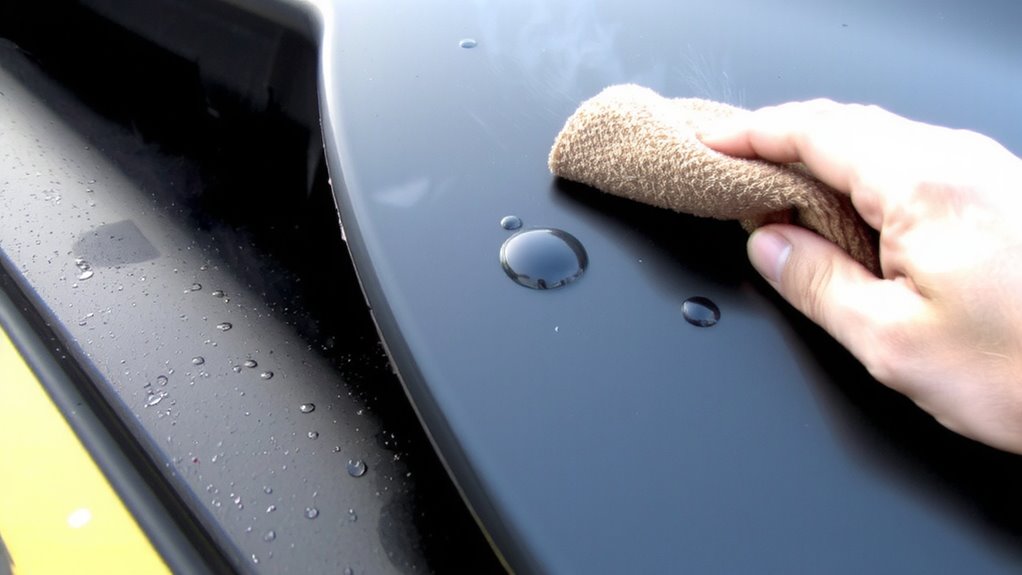
While most car care routines treat paint protection films the same, Active Aero PPF’s reactive polymer layer responds to heat and pressure, making aggressive cleaning methods risky. This film uses a proprietary thermoplastic polyurethane that activates under heat exposure above 40°C, allowing self-healing of minor scratches. However, excessive heat exposure during cleaning, like steam washing, can prematurely trigger this layer, reducing long-term performance. The material has high chemical resistance to solvents, alkaline cleaners, and UV stabilizers, but harsh detergents compromise the surface elastomer over time. You must avoid abrasive pads or high-pressure sprays, which can delaminate edges or distort the polymer structure. Unlike standard PPFs, Active Aero PPF relies on molecular elasticity, not just thickness, to maintain aerodynamic integrity. Cleaning agents should be pH-neutral, with a range of 6.5–8.5, to preserve this balance. Respect these specs and you’ll maintain optical clarity and function for up to seven years.
Use Soft Tools for Active Aero PPF
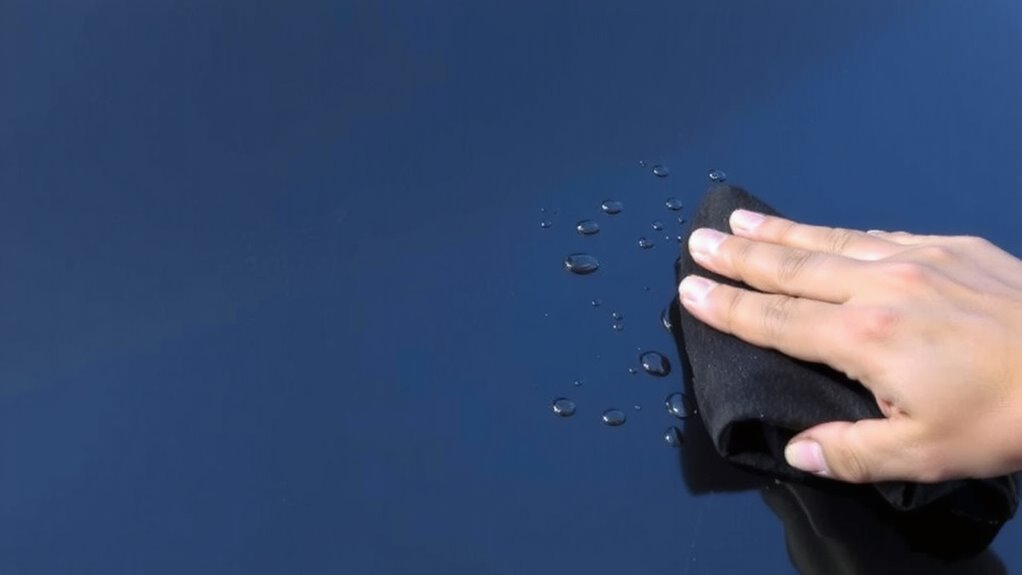
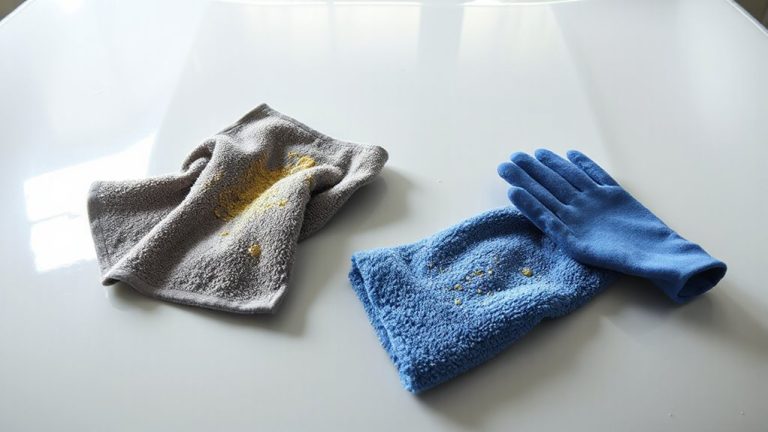
Choose your cleaning tools carefully-Active Aero PPF’s reactive polymer layer is sensitive to physical stress. Abrasive materials cause micro-scratches, reducing optical clarity and longevity. Use only Microfiber cloths with a weight of 220–300 g/m² and a 70/30 polyester-nylon blend. These specs prevent fiber shedding and guarantee scratch-free results. Soft brushes made from polyethylene terephthalate (PET) bristles ≤0.1 mm diameter safely dislodge debris without damaging edges.
| Tool Type | Material Spec | Purpose |
|---|---|---|
| Microfiber cloth | 220–300 g/m², 70/30 blend | Wipe surfaces gently |
| Soft brush | PET bristles ≤0.1 mm | Clean seams and contours |
| Rinse aid tool | Rubber-edged squeegee | Remove water without abrasion |
| Drying tool | Lint-free chamois | Final dry pass |
Always dampen tools before contact. Never use twisted or coarse fabrics.
Choose pH-Neutral Soap Only
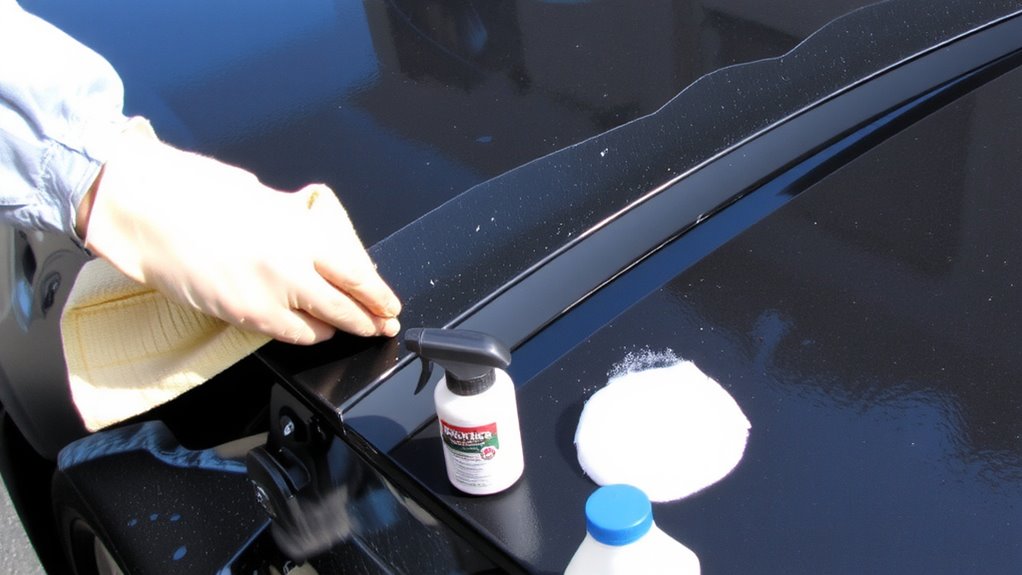
Since improper soap chemistry can degrade the adhesive layer and topcoat of paint protection film, sticking to pH-neutral options is essential. pH-neutral soaps maintain a balanced 6.5 to 7.5 rating, preventing breakdown of urethane-based films. Using products outside this range risks delamination and hazing. Harsh chemicals like ammonia, acid, or bleach deteriorate clear coat integrity, especially on active aerodynamic surfaces exposed to repeated motion. Always avoid abrasive pads, which create micro-scratches and compromise self-healing properties. Instead, use a soft microfiber cloth with a dedicated PPF-safe shampoo. These formulations clean without stripping hydrophobic layers. Never mix household cleaners with detailing products-they often contain unseen alkaline or acidic agents. Regular use of correct soap preserves film clarity, elasticity, and adhesion. You guarantee long-term performance by maintaining proper surface chemistry. It’s a simple step with measurable impact on film longevity and protection efficiency under dynamic aerodynamic stress. For optimal results, choose from the best car shampoos specifically formulated to be pH-neutral and safe for sensitive protective films.
Clean Seams and Moving Edges Safely
Pay close attention to seams and moving edges when cleaning your paint protection film-these zones are structurally vulnerable and face constant mechanical stress. Use a soft microfiber cloth to gently wipe along seam lines, avoiding aggressive scrubbing that could lift film edges. For stubborn residue near moving components, lightly dampen the cloth with a 50% isopropyl alcohol solution to dissolve contaminants without damaging adhesive layers. Never pour alcohol directly onto the film.
| Area | Cleaning Tool |
|---|---|
| Seams | Microfiber cloth |
| Moving edges | Isopropyl alcohol wipe |
Ensure all cleaning motions follow the film’s contour to prevent peeling. Microfiber retains minimal moisture, reducing seepage risk. Isopropyl alcohol evaporates quickly, minimizing exposure time. These methods maintain film integrity while removing grime from high-fatigue areas.
Dry Completely to Prevent Moisture Traps
After washing, it’s critical to dry the paint protection film thoroughly-trapped moisture can compromise adhesion and promote bacterial growth beneath the surface. Use a clean, microfiber towel to blot the film, avoiding circular motions that spread water into seams. Residual moisture disrupts airflow dynamics by creating micro-lifts along edges, especially on active aerodynamic components. These micro-lifts reduce efficiency and stress the adhesive layer. For complete drying, follow with compressed air at 30–40 PSI to reach tight joints and moving edges. Guarantee no water pockets remain under flaps or behind actuators. Complete drying directly supports component longevity by preventing delamination and material breakdown. Moisture traps accelerate wear and reduce the film’s operational lifespan from 7+ years to under 3. Maintain film integrity by eliminating humidity pockets-this preserves both performance and structural reliability. Drying isn’t final cleanup-it’s a precision step critical to sustained function.
Clean Every 2 Weeks for Best Results
Regularly cleaning your paint protection film every two weeks guarantees peak performance and longevity. This schedule prevents contaminant buildup that degrades optical clarity and adhesive integrity. Avoid chemical abrasives and high pressure washing, as both compromise film durability. Instead, use pH-neutral soaps and soft microfiber cloths. Below is a maintenance comparison:
| Method | Risk Level | Recommended? |
|---|---|---|
| Chemical abrasives | High | No |
| High pressure washing | Medium | No |
| Two-week hand wash | Low | Yes |
| Monthly cleaning | Medium | No |
| pH-neutral soap + microfiber | Low | Yes |
Film manufacturers specify 30–40 PSI as the safe threshold for any water jet use. Residue from pollutants, salt, and UV fallout accelerates yellowing if not removed promptly. Consistent biweekly cleaning preserves hydrophobic properties and impact resistance. You guarantee full warranty compliance and sustained aerodynamic efficiency with timely care. For optimal results, consider selecting a high-quality paint protection film that aligns with manufacturer-recommended standards.
On a final note
You must clean active aerodynamic PPF regularly. Use only a pH-neutral soap to preserve the film’s urethane layer. Gently wipe seams and moving edges with a microfiber cloth to avoid delamination. Rinse with low-pressure water below 500 psi. Dry completely-any moisture accelerates wear near actuators. Inspect every two weeks. Contaminants degrade self-healing properties. Proper care maintains optical clarity and aerodynamic efficiency. Prolonged neglect reduces film lifespan by up to 40%.