Clay Towel on PPF: Safe Method for 120-150 Micron Film
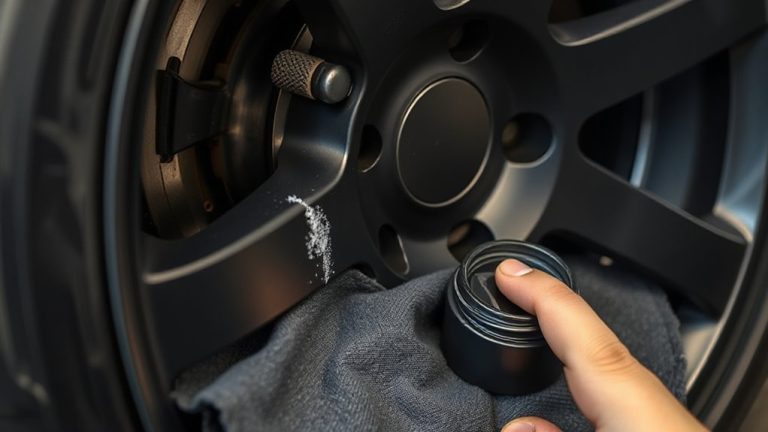
You can safely use a clay towel on PPF if it’s designed for delicate surfaces. Choose an ultra-low-abrasion PPF-safe clay towel and pair it with a pH-neutral, petroleum-free lubricant. Wash the surface first with a pH-neutral shampoo, then dry completely. Work in 2’ x 2’ sections, maintaining a wet surface to prevent marring. Use light pressure-excessive force risks micro-scratches on the 120–150 micron film. Re-lubricate immediately if squeaking occurs. After decontamination, always apply a polymer sealant to restore protection. Proper technique guarantees contaminant removal without compromising film integrity. Further refinements in method await.
Notable Insights
- Use a PPF-safe clay towel with ultra-low-abrasion texture to avoid damaging the film surface.
- Wash and dry the PPF thoroughly before claying to remove loose debris and enable effective decontamination.
- Apply a pH-neutral detailing spray as lubricant to prevent friction and ensure smooth clay towel movement.
- Work in small 2’ x 2’ sections using light pressure and straight, overlapping passes for even results.
- Re-seal the PPF immediately after claying with a compatible sealant to restore surface protection.
Can You Safely Clay Paint Protection Film?
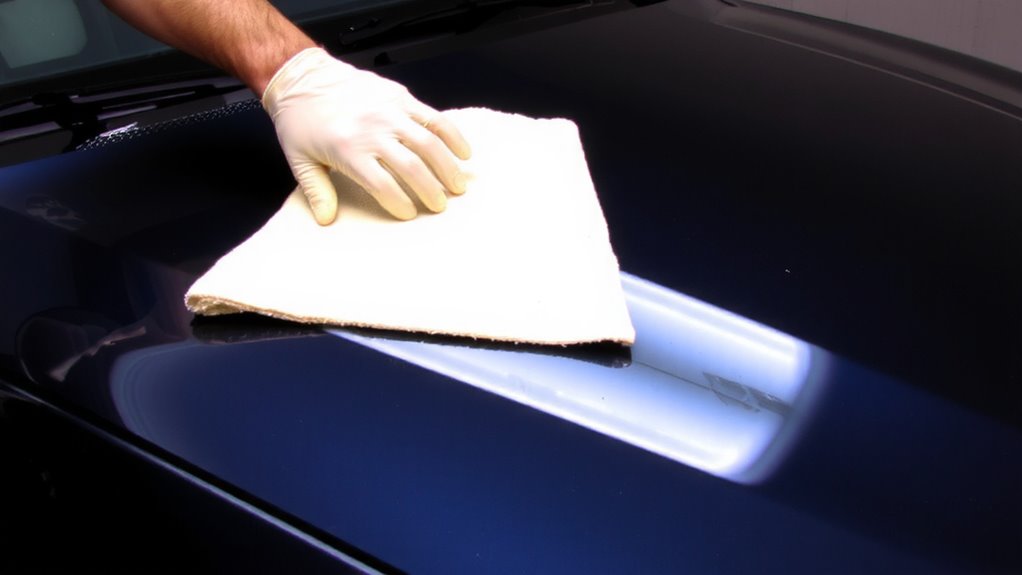
Why risk damaging your paint protection film (PPF) with improper decontamination methods? You can safely clay PPF if you use the right products and techniques. Film safety depends on proper clay compatibility. Most modern PPFs, like self-healing TPU films 8–10 mils thick, tolerate clay towels when used with lubricants. Standard automotive clay may be too abrasive, increasing micro-scratching risk. Use a PPF-safe clay towel-specifically engineered with ultra-low-abrasion texture-paired with a pH-neutral detailing spray. These towels remove bonded contaminants like rail dust, sap, and brake particles without harming the film’s topcoat. Always test in an inconspicuous area first. Apply light pressure; let the clay do the work. Poor clay compatibility compromises surface integrity. Safe decontamination preserves clarity, hydrophobic properties, and longevity. This method is proven effective across major PPF brands including XPEL, STEK, and 3M.
How to Prep PPF for Clay Towel Cleaning
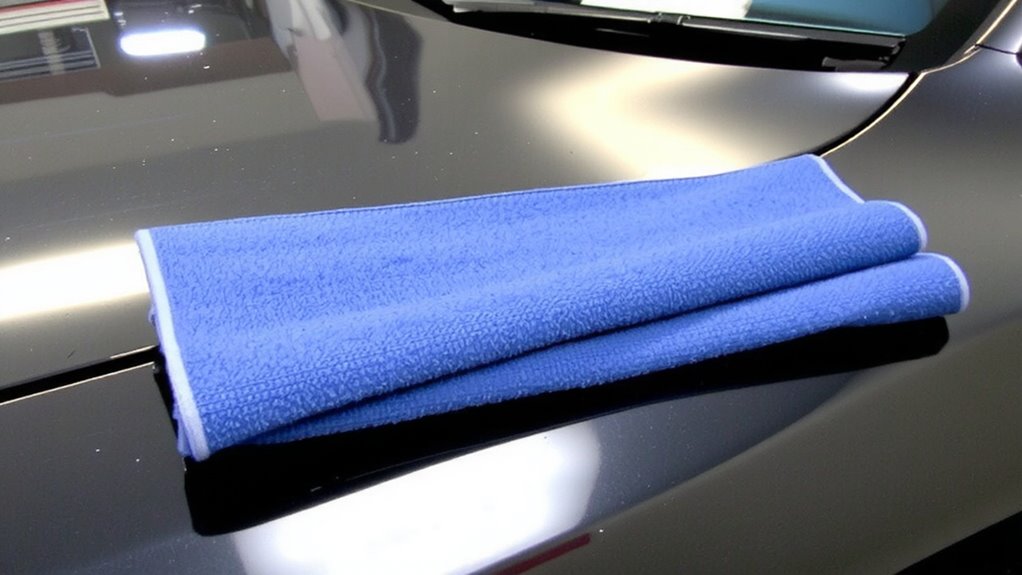
Start with a clean surface to guarantee the clay towel works effectively without introducing scratches. Wash the PPF using a pH-neutral car shampoo and microfiber wash mitt to remove loose debris. Rinse thoroughly with distilled water to prevent mineral deposits. Dry completely with a clean microfiber towel. Conduct a surface inspection under bright, direct light to detect bonded contaminants. Use contaminant identification techniques like the plastic bag test-gently rub a plastic bag over the surface; if it snags, iron particles or sap are present. Address heavy buildup before proceeding. For stubborn contaminants, a clay bar alternative can offer a gentler yet effective solution.
Lubricate PPF Right for Safe Clay Removal
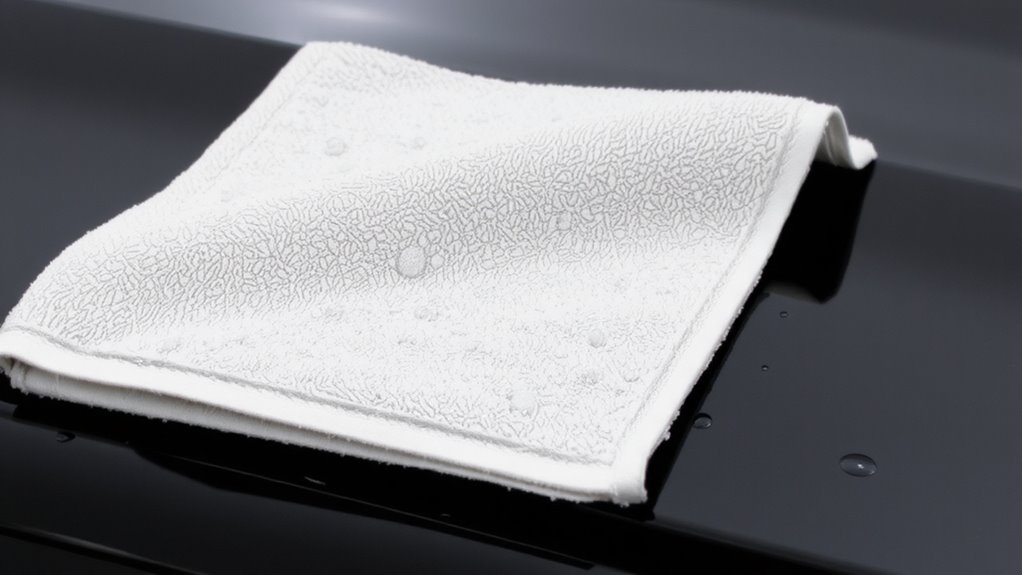
Your PPF’s performance depends on proper lubrication to let the clay towel glide without marring the surface. Use a dedicated detailing spray or clay lube-never water alone. Proper lubrication reduces friction, enabling safe gliding across the film. Apply the lubricant in generous, even sprays, covering a 2’ x 2’ section at a time. This guarantees consistent slip, preventing the clay from dragging contaminants. The ideal lubricant has a pH-neutral formula (pH 7.0–7.5) and contains no petroleum distillates that can degrade urethane. Work the clay towel in straight, overlapping passes, not circles, using light to moderate pressure. If you hear squeaking, add more lubricant immediately-dry contact risks micro-scratches. Safe gliding preserves both the towel and film integrity. Re-lubricate as needed, especially in hot or dry conditions, maintaining a wet working surface throughout the decontamination process. For long-term protection, consider installing a high-quality paint protection film that resists contaminants and reduces the frequency of deep cleaning.
How to Re-Seal PPF After Claying
A freshly decontaminated PPF surface must be resealed promptly to restore its protective barrier and maintain long-term durability. Without proper sealing, contaminants can compromise adhesive integrity and accelerate film degradation. Applying a dedicated PPF sealant fills micro-scratches and enhances resistance to environmental damage.
| Product Type | Cure Time | Protection Duration |
|---|---|---|
| Spray Sealant | 10 min | 1–2 months |
| Liquid Polymer | 20 min | 3–6 months |
| Ceramic Coating | 60 min | 12+ months |
Always follow manufacturer instructions for application thickness and spreadability. A uniform layer guarantees maximum hydrophobic performance and UV resistance. Use a microfiber applicator for consistent coverage without streaking. Avoid petroleum-based waxes-they can seep under edges and weaken adhesive integrity. Proper sealing not only improves gloss but prevents moisture intrusion that leads to film degradation over time. For long-lasting results, consider applying a ceramic coating kit as part of your PPF maintenance routine.
Mistakes That Ruin PPF When Using a Clay Towel
One improper technique can compromise the integrity of paint protection film during claying, turning a routine decontamination step into a source of permanent damage. Applying a clay towel without proper lubrication causes dry friction, which generates heat and micro-scratches on the film’s surface. PPF is softer than paint, typically 120–150 microns thick, and cannot withstand excessive force or uncontrolled abrasion. Always use a dedicated clay lubricant-not just water-to maintain a slick interface. Reusing a contaminated clay towel introduces abrasive residues like metallic particles or road grime, effectively sanding the film. These contaminants are often invisible but measure up to 80 microns in size, capable of marring the surface. Inspect your clay towel regularly; if it appears dark or gritty, discard it. Never use a clay towel on a dry or dusty surface. Each pass should glide smoothly, indicating effective lubrication and safe decontamination.
On a final note
You can safely clay paint protection film (PPF) when using the correct technique. Always use a fine-grade clay towel and ample lubrication, such as a dedicated clay lube or diluted car wash soap. Never drag dry contaminants; glide the towel smoothly to avoid marring the surface. After claying, re-seal the PPF with a polymer sealant or ceramic coating to restore hydrophobic properties and defense against environmental fallout.