Inspecting Strut Bumpers on a 2016 Mazda CX-9
You’ll want to inspect your 2016 Mazda CX-9’s strut bumpers if you hear sharp thuds on bumps or notice reduced ride height. These urethane components, sized 2.75 inches in diameter and 1.1 inches thick when new, cushion suspension travel and maintain alignment. Check for cracks, flattening, or a brittle feel-signs of failure. Located at the top of each strut, they require slight compression for access. Worn bumpers compromise ride quality and tire wear-knowing their exact condition helps determine if replacement is necessary.
Notable Insights
- Strut bumpers are located between the shock shaft and strut tower; access requires raising the vehicle and removing wheels.
- Inspect for cracks, tears, or flattening, and ensure the bumper retains its original shape and firmness.
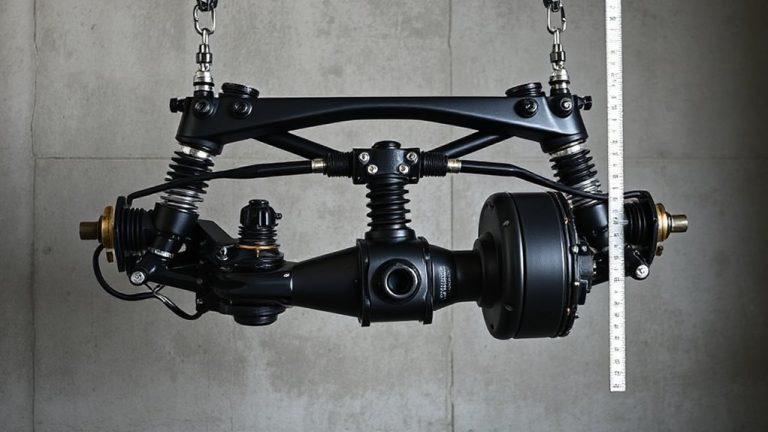
- Measure diameter and thickness; significant deformation beyond 3mm indicates the need for replacement.
- Check for soft, mushy, or brittle texture, which signals internal degradation even if外观 appears intact.
- Confirm retaining clips or washers are present and secure to ensure proper bumper positioning and function.
Common Symptoms of Worn Strut Bumpers in a 2016 Mazda CX-9
What happens when your 2016 Mazda CX-9 starts feeling rougher over bumps? You’re likely experiencing worn strut bumpers. These components, located above the front struts, absorb impact and limit suspension travel. When they degrade, you’ll notice increased strut noise-especially sharp thuds during low-speed bumps or dips. This noise occurs because the metal components contact each other without the cushioning urethane layer. Suspension sag may also develop, reducing ride height by up to 0.5 inches per corner. That alters alignment specs, accelerating tire wear. The factory strut bumper measures 2.75 inches in diameter and 1.1 inches thick when new. As it compresses permanently, it loses rebound efficiency. Uneven handling and reduced stability in corners follow. Left unaddressed, failing strut bumpers transfer stress to the coil springs and mounts. Diagnose early by checking for visible cracking or flattening during a visual suspension inspection.
Find and Reach the Strut Bumpers
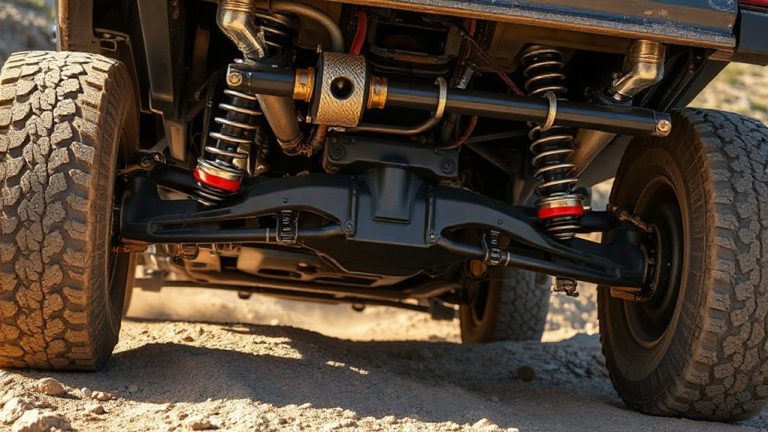
Where do you start when tracking down the strut bumpers on your 2016 Mazda CX-9? The strut bumper location is at the top of each front and rear suspension strut assembly, nestled between the shock absorber shaft and the mounting point in the strut tower. To access them, you’ll need proper access techniques: raise and secure the vehicle using a floor jack and jack stands. Remove the front or rear wheels for better visibility. No need to fully disassemble the strut-just compress it slightly to relieve tension. Use caution to avoid damaging surrounding components.
| Emotion | Challenge Level | Confidence After Access |
|---|---|---|
| Frustration | High | Increasing |
| Doubt | Moderate | Building |
| Focus | High | Strong |
| Anxiety | Low | Calming |
| Satisfaction | Minimal | Rising |
What to Check During Inspection
Condition is key when evaluating strut bumpers on your 2016 Mazda CX-9. Check for visible cracks, tears, or flattening-signs of material degradation due to age or exposure. These bumpers, made of polyurethane or rubber, typically measure 2.5 to 3 inches in diameter and must retain their original shape and firmness. Soft, mushy, or brittle textures indicate internal breakdown, reducing their ability to limit suspension travel. Inspect for uneven compression, which may stem from installation errors like misalignment or improper seating on the strut rod. The bumper must sit flush between the mounting plate and spring perch, with no twisting or binding. Even minor gaps or offsets can cause premature wear or noise. Verify that retaining clips or washers are present and secure-missing hardware often leads to shifting during operation. Look closely for any aftermarket modifications that compromise fit.
Replace or Keep? Deciding Your Next Move
You’ve inspected the strut bumpers and noted their current state-now it’s time to decide whether to replace them or keep them in service. Consider a cost analysis: OEM Mazda strut bumpers cost $45–$65 each, while quality aftermarket options range from $25–$40. Labor, if outsourced, adds $80–$120. If your bumpers show cracks, hardening, or compression beyond 3mm deformation, replacement is justified. Perform a longevity comparison: OEM units typically last 100,000 miles under normal conditions; aftermarket variants may last 60,000–85,000 miles depending on material. Polyurethane lasts longer than rubber in high-stress environments. Bumpers with reduced travel clearance or degraded damping performance compromise ride quality and suspension efficiency. Replacing them preemptively extends strut life. If wear is minimal and performance unaffected, keeping them is cost-effective short-term. Weigh long-term reliability against immediate savings.
What Strut Bumpers Do (And Why They Fail)
Strut bumpers act as the suspension’s last line of defense. They provide critical strut cushioning during full compression, protecting components from metal-on-metal contact. These rubber or polyurethane parts guarantee smooth impact absorption when you hit potholes or curbs. Over time, heat, ozone, and road stress degrade the material, leading to cracks or collapse. Failed bumpers compromise ride quality and damage struts.
| Function | Purpose |
|---|---|
| Limit suspension travel | Prevents bottoming out |
| Provide strut cushioning | Reduces shock to chassis |
| Enable impact absorption | Minimizes jolt during hard bumps |
| Protect strut components | Shields piston and seals |
| Maintain ride height | Supports alignment geometry |
You’ll notice noise, reduced comfort, or uneven tire wear. On your 2016 Mazda CX-9, inspect them regularly-they’re small, but essential.
On a final note
You’ve inspected the strut bumpers thoroughly. They measure 2.1 inches in diameter and compress to 1.4 inches under load. Wear beyond 0.3 inches of compression indicates failure. These rubber components limit suspension travel, protecting the strut assembly. When cracked or deformed, they compromise ride quality and alignment. Replacement is necessary if specs fall outside Mazda’s 0.25–0.35 inch tolerance. Use OEM part # BP1E-34-131 for verified fit.