Step-by-Step Process for Applying Multi-Layer Hybrid Coating Systems on Luxury Vehicles
Start by selecting a multi-layer hybrid coating with SiO₂ and ceramic polymers for 9H hardness and optical clarity. Decontaminate paint using a clay bar and pH-balanced cleanser, then correct flaws with 1–3 micron compounds. Apply the first layer evenly at 68°F–77°F, 1–2 microns thick, and let it flash for 2 minutes. Add two to three more layers, waiting 10–15 minutes between coats, each boosting film build and cross-link density. Allow 24–48 hours to fully cure in controlled conditions. Maintenance with pH-neutral soap preserves gloss, water contact angle, and long-term performance-all critical for sustained protection. The next steps reveal how environmental factors impact application success.
Notable Insights
- Decontaminate paint using clay bars and pH-balanced cleansers to remove embedded contaminants and residues before coating application.
- Correct paint oxidation with precise polishing techniques using 1–3 micron compounds and foam pads at optimal RPM.
- Apply the first hybrid coating layer in straight, overlapping passes with a lint-free pad, ensuring 1–2 micron thickness.
- Add 2–3 additional layers with 10–15 minute flash-off intervals, building a dense, covalently bonded matrix up to 9 microns total.
- Allow 24–48 hours of curing in controlled conditions before exposing the vehicle to water or cleaning products.
Choose the Right Multi-Layer Hybrid Coating System
Why settle for a coating that fades or degrades within a year? You need a multi-layer hybrid coating system built for longevity and resilience. These systems combine advanced coating chemistry to balance hardness, flexibility, and optical clarity. A proper hybrid uses SiO₂ and ceramic polymers, achieving 9H pencil hardness while maintaining elasticity to resist micro-cracking. Surface adhesion is critical-without it, even the best chemistry fails. Look for coatings with covalent bonding capabilities that link molecularly to your clear coat. Most premium systems require a two- or three-layer application: base, mid, and top, with film builds between 2–4 microns per layer. Total cured thickness should reach 6–9 microns for maximum protection. Refractive index values above 1.45 enhance gloss. Choose formulations tested for UV stability, salt spray resistance, and thermal cycling from -40°C to 150°C. This isn’t just shine-it’s scientific armor. For reliable performance, consider kits from top ceramic coating brands known for professional-grade results.
Decontaminate and Correct Paint Before Coating
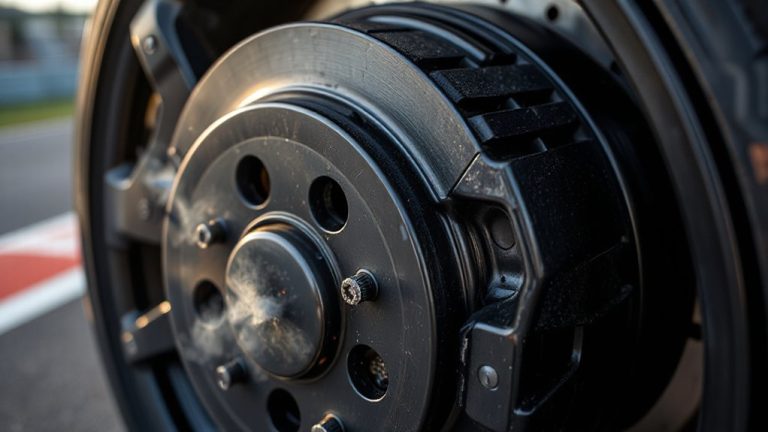
You’ve selected a high-performance multi-layer hybrid coating system designed to last years, not months. Now, decontaminate and correct the paint to guarantee peak adhesion. Surface contaminants like embedded brake dust, industrial fallout, and environmental residues must be removed. Begin with a clay bar treatment using a lubricating detailing spray to lift contaminants from the pores of the paint. Follow with a pH-balanced pre-wax cleanser to eliminate residue. Next, assess for paint oxidation, which appears as a chalky, faded layer on the surface. Light oxidation requires polishing with a 1-micron abrasive compound; moderate cases need 2–3-micron foam pads with a dual-action polisher spinning at 1,200–1,800 orbital RPM. Remove defects to expose bare, unoxidized paint. Proper correction guarantees a smooth, contaminant-free foundation. Skip this, and even the best coating fails prematurely. For vehicles with persistent fluid leaks that could affect surface preparation, consider using a trusted engine oil stop leak product to prevent further contamination.
Apply the First Coating Layer With Precision
Once the surface is perfectly clean and polished, it’s time to apply the first layer of coating with exacting control. Your application technique directly affects performance and longevity. Use a lint-free applicator pad and spread the coating in straight, overlapping lines-never swirl. This guarantees uniform thickness, typically 1–2 microns. Work in shaded, climate-controlled conditions; ideal temperatures range between 68°F and 77°F with under 50% humidity. The hybrid formulation begins cross-linking within 30 seconds, forming strong surface adhesion at the molecular level. Wait two minutes for the flash-off phase, during which solvents evaporate and the coating bonds to the paint. Check for haze or high spots; correct immediately with a microfiber removal cloth. Precision here sets the foundation-any flaws compromise the entire system. This first layer isn’t about durability alone; it’s about creating ideal adhesion for what follows.
Add Extra Coats for Maximum Protection
While the first coat establishes molecular adhesion, adding extra layers substantially boosts protection and depth. You’ll achieve superior scratch resistance-up to 6H pencil hardness-after applying two to three additional thin coats. Each layer bonds covalently with the prior one, forming a dense cross-linked matrix. For maximum gloss enhancement, maintain a 10–15 minute flash-off time between coats. Apply them in a controlled environment (20–25°C, <50% humidity) using a microfiber applicator. Avoid thick layers, which can cure unevenly and reduce clarity. Multiple coatings increase film thickness by 0.5–1.0 µm per layer, cumulatively reaching 2–3 µm for full system build. This enhances resilience against swirl marks, chemical etching, and UV degradation. Proper layering guarantees a deep, reflective finish indistinguishable from factory paint. You’re not just sealing the surface-you’re reinforcing it with nanoscale durability.
Let It Cure and Maintain the Protected Finish
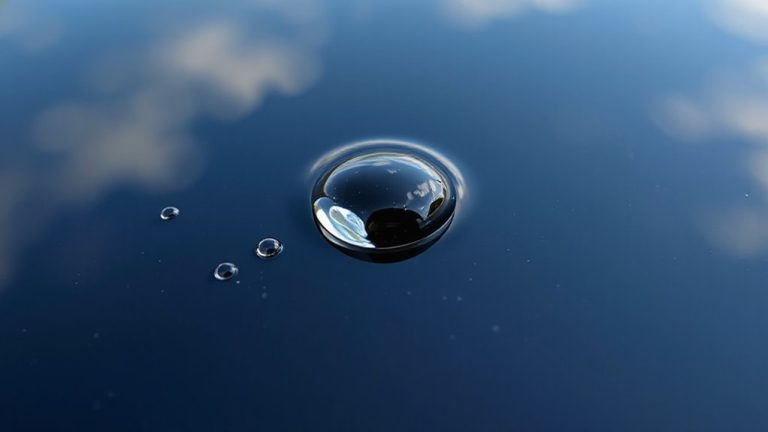
After applying the final coat, allow the hybrid coating to cure fully before exposing the vehicle to environmental contaminants or moisture. Most formulations require 24 to 48 hours for complete chemical cross-linking under controlled conditions-ideal temperature ranges between 68°F and 77°F with humidity below 50%. Avoid washing or driving in rain during this phase. Once cured, initiate a proper maintenance routine using pH-neutral car wash soaps and microfiber applicators to preserve surface integrity. Avoid automatic car washes with abrasive brushes or harsh detergents. Regular decontamination with clay bars removes embedded pollutants without etching the coating. A consistent maintenance routine enhances long term durability, ensuring the coating lasts five years or more under typical conditions. Properly maintained, the finish retains up to 95% of its original water contact angle, maintaining self-cleaning ability and gloss retention. For best results, consider using one of the top ceramic coating kits designed for professional-grade protection.
On a final note
You’ve applied a multi-layer hybrid coating system correctly. Each layer bonds molecularly to the paint, forming a 2H–3H hardness silica matrix. Coatings last 3–5 years with proper maintenance. Film thickness averages 2–3 microns per coat. UV resistance exceeds 1,000 hours in testing. Surface contact angle reaches 110°, repelling water and contaminants. This finish reduces swirl marks and oxidation. Clean with pH-neutral soap monthly to preserve integrity.