Overcoming Evaporative Emissions Code Triggers After Big Fuel Mods
Big fuel mods alter vapor pressure and confuse your EVAP system, often triggering false leak codes. Even 0.25 psi shifts can trip the PCM due to tight tolerances. Start with a smoke test at 0.5–1.0 inches of water pressure to rule out real leaks. Then, reprogram your ECU to match new fuel dynamics, adjusting purge flow and idle stability. Upgrade or bypass the canister vent valve if needed, using high-pressure-rated components. Verify system integrity at 7–15 inches of water pressure and confirm purge rates of 0.5–2 g/s. Proper calibration guarantees compliance and peak performance-details on each step follow.
Notable Insights
- Big fuel mods alter vapor dynamics, causing false EVAP codes due to pressure changes as small as 0.25 psi confusing the PCM.
- Perform a smoke test at 0.5–1.0 inches of water pressure to identify real leaks before assuming mod-related false triggers.
- Retune the ECU to align fuel trims and EVAP purge strategies with new injector flow, pressure, and airflow from modifications.
- Upgrade or bypass the canister vent valve to handle increased tank pressure, using high-flow or check valve solutions where appropriate.
- Confirm EVAP system integrity post-mod with a 7–15 inch water column smoke test and verify purge flow via OBD2 live data.
Diagnose False EVAP Codes After Fuel Mods
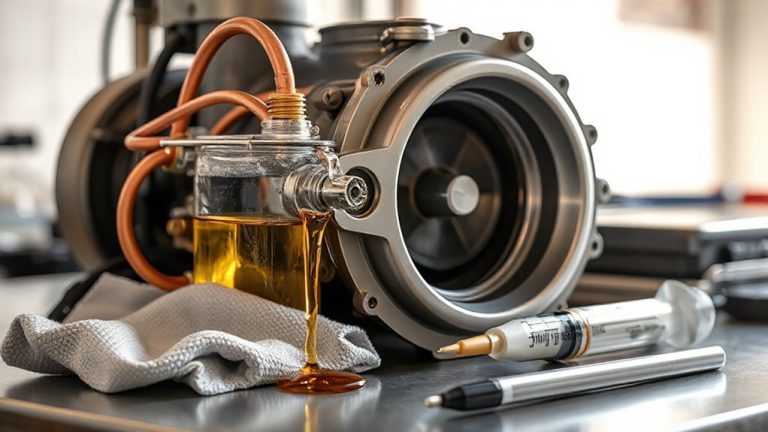
Why might your check engine light show an EVAP code after upgrading your fuel system? Changes disrupt fuel vapor dynamics, confusing the EVAP system. Your car expects stock fuel bowl pressure and vapor flow rates. After mods, vapor pressure shifts, and the system may误read normal operation as a leak. Sensor calibration drift occurs when aftermarket components alter pressure profiles beyond factory thresholds. The purge valve, fuel tank pressure sensor, and vent solenoid rely on preprogrammed parameters. Even slight deviations-like a 0.25 psi shift-can trigger codes. Modern PCM logic uses tight tolerances, often detecting leaks as small as 0.020 inches. Upgraded pumps or tanks change vapor volume and flow timing, mimicking fault conditions. You’re not leaking fuel-you’re exceeding OEM calibration envelopes. Always verify sensor outputs with live data. Compare pre- and post-mod fuel tank pressure waveforms. Diagnose false codes by monitoring purge flow rates and vapor containment cycles.
Smoke Test for Real Leaks Immediately
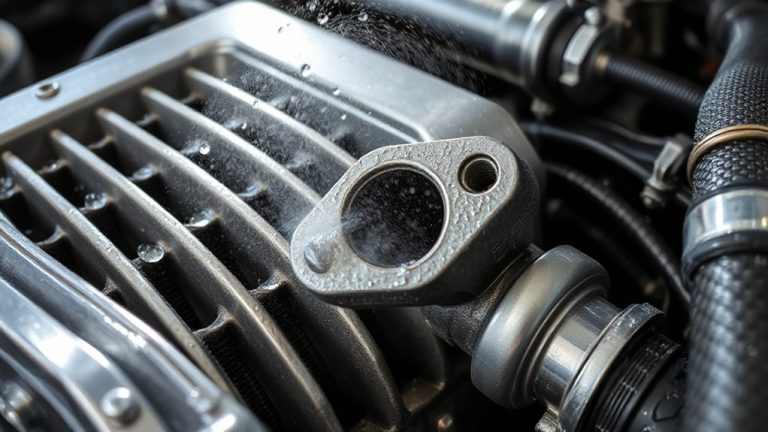
Once you’ve ruled out false codes, it’s time to confirm whether a real leak exists-and a smoke test is the most effective method. You’ll need a smoke machine that produces 0.5 to 1.0 inches of water column pressure, designed specifically for EVAP systems. Connect it to the EVAP service port or purge valve inlet. Introduce smoke slowly while monitoring pressure to preserve vacuum integrity. Any visible smoke escaping indicates a leak. This method far surpasses pressure tests for precise leak detection. Cracks in hoses, loose fittings, or deteriorated seals often reveal themselves within minutes. Focus on common failure points: the canister, fuel cap, and vent solenoid. Modern smoke testers include flow sensors to quantify leak size, helping distinguish between major faults and minor seepage. Immediate testing prevents misdiagnosis and avoids unnecessary part swaps. It’s the definitive way to verify system health post-modification.
Retune Your ECU for Fuel System Changes
If you’ve modified components in the fuel or evaporative system, your ECU’s factory fuel trims and EVAP purge strategies will likely no longer match actual operating conditions. You need to retune your ECU to adjust fuel mapping and maintain accurate air-fuel ratios under all load and temperature conditions. Proper fuel mapping accounts for new injector flow rates, fuel pressure, and airflow changes from performance parts. Without recalibration, your engine may run too rich or too lean, risking catalytic converter damage or misfires. Idle stabilization is critical after modifications; incorrect idle fuel and spark tables can cause surging or stalling, especially during EVAP purge events. Modern tuning software lets you adjust purge flow rates, idle air control, and closed-loop fuel corrections precisely. A well-executed tune restores emissions compliance, guarantees smooth idle, and prevents false leak detection. Retuning isn’t optional-it’s essential for reliable, legal operation post-modification.
Fix or Remove Canister Vent Valves
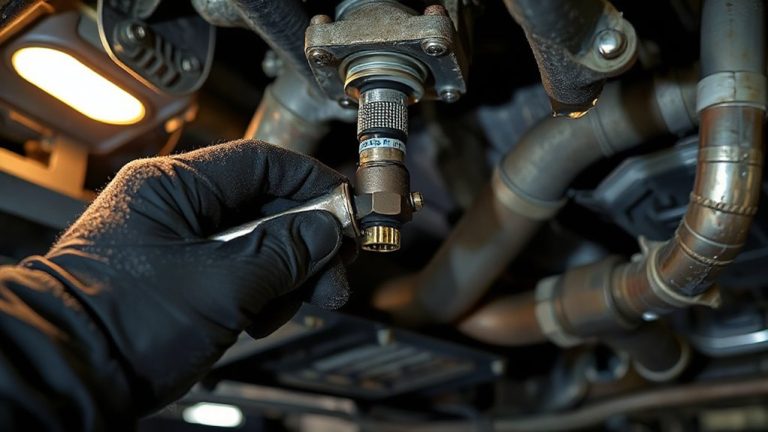
A faulty canister vent valve can cripple your EVAP system’s ability to manage fuel tank pressure and vapor flow. You must assess whether to repair or remove it based on your fuel system’s demands. Factory valves often can’t handle increased tank pressure from performance mods, causing check engine codes. If you’re running high-flow pumps or sealed fuel systems, hardware compatibility becomes critical-aftermarket vent valves rated for higher PSI guarantee reliable operation. Alternatively, some adopt bypass strategies like check valves or vented breathers to relieve pressure safely. These methods prevent tank collapse or over-pressurization but may not comply with emissions regulations. Confirm your setup matches your fuel system’s flow rate and pressure specs. Eliminating the valve entirely works for race-only builds, but street-driven cars need a compliant solution. Always verify material ratings-Nitrile seals and aluminum housings resist fuel vapor degradation better than plastic.
Confirm EVAP System Integrity Post-Tuning
After tuning your engine, you need to verify your EVAP system still functions correctly under new operating conditions. Proper fuel vapor containment is critical to prevent leaks that trigger check engine lights. Even minor cracks or loose connections can compromise the entire system. Use a smoke test machine with regulated pressure-typically 7–15 inches of water-to pinpoint leaks around hoses, purge valves, and the charcoal canister. Make sure all components seal tightly under these test conditions. Your vehicle’s emission control calibration must match modified fuel system behavior; otherwise, false codes may appear. Monitor live data via OBD2 to confirm purge flow rates align with expected values-usually 0.5 to 2 grams per second during deceleration. A calibrated fuel tank pressure sensor reading within ±0.25 psi of actual pressure verifies accuracy. Finally, perform a drive cycle to validate system response under real-world loads and temperatures.
On a final note
You’ve addressed the root causes of false EVAP codes after major fuel modifications. Proper tuning adjusts fuel tank pressure readings to match modified systems. A smoke test confirms no physical leaks exist. Upgraded vent valves maintain OEM pressure specs, typically 7–15 inHg. Post-tune, verify system integrity with a scan tool monitoring EVAP purge flow and tank pressure sensors. This guarantees emissions compliance and reliable operation.