Preventing Sun Bleaching on Dark Paint With Reflective Car Covers
Your dark car paint absorbs 30% more solar radiation, accelerating fading and oxidation. A reflective car cover blocks 80–85% of sunlight, reducing surface temperatures by up to 30°F. This slows thermal cycling and UV damage from wavelengths of 300–400 nm. Multi-layer polypropylene with an aluminized coating reflects harmful rays while breathable backing prevents moisture buildup. Covers sized 180–200 inches guarantee full coverage. Maintaining reflectivity with biweekly cleaning and replacing every 3–5 years guarantees long-term protection. There’s more to optimizing your car’s sun defense.
Notable Insights
- Dark car paint absorbs 30% more solar radiation, increasing vulnerability to sun bleaching and thermal damage.
- Reflective car covers block 80–85% of sunlight, significantly reducing paint surface temperature and UV exposure.
- High-performance covers with aluminized layers reflect harmful rays and slow oxidation of dark paint.
- Proper fit ensures full coverage, preventing UV gaps and maintaining uniform protection against fading.
- Clean covers every two weeks and replace every 3–5 years to sustain peak reflectivity and UV defense.
Why Dark Car Paint Fades in the Sun
Sunlight is the silent enemy of your dark car paint. You experience higher heat absorption because dark colors absorb more solar radiation-up to 30% more than light paints. This thermal buildup accelerates color degradation over time. Infrared wavelengths penetrate the clear coat, raising surface temperatures beyond 150°F (65°C) on sunny days. Prolonged exposure stresses paint polymers, causing micro-cracking and oxidation. Unlike pigmentation loss from UV radiation, this damage stems from thermal cycling-expansion and contraction weaken molecular bonds. Your car’s finish loses reflectivity and deep tone, especially on black, navy, or dark green surfaces. Studies show dark paints fade twice as fast as lighter shades under identical conditions. Reflective car covers reduce surface heat by up to 40%, slowing thermal damage. You retain gloss and depth longer by minimizing heat absorption. Preventing excessive temperature rise is key to delaying structural breakdown in the paint system. Best snow car covers are also designed with reflective materials that help in deflecting sunlight, making them effective even in sunny conditions. Best snow car covers can offer dual protection against both snow and sun damage.
How UV Rays Break Down Car Paint
UV radiation attacks your car’s paint at the molecular level, independent of the heat-related damage discussed earlier. This molecular breakdown occurs when high-energy UV photons disrupt chemical bonds in the paint’s resin and pigment. Over time, this leads to visible fading, chalkiness, and loss of gloss. The process is a form of chemical degradation accelerated by prolonged sun exposure.
| UV Wavelength | Penetration Depth (µm) | Effect on Paint Layer |
|---|---|---|
| 300–320 nm | 5–8 | Surface oxidation |
| 320–340 nm | 8–12 | Binder degradation |
| 340–360 nm | 12–15 | Pigment weakening |
| 360–380 nm | 15–18 | Clear coat erosion |
| 380–400 nm | 18–20 | Substrate exposure |
You face irreversible damage as UV rays compromise paint integrity. Each exposure cycle deepens chemical degradation. Preventive action stops cumulative molecular breakdown before it alters your car’s finish.
How Reflective Covers Block Sun Damage
While no cover can completely eliminate solar exposure, high-performance reflective car covers substantially reduce UV damage by deflecting radiant energy. You rely on these covers to minimize heat absorption, which directly lowers surface temperature. Standard black paint absorbs up to 90% of solar radiation, accelerating material degradation. Reflective covers, however, bounce back 80–85% of incoming sunlight. They use multi-layer polypropylene with an aluminum-infused coating, engineered to reflect UV and infrared rays. This reduces exterior paint temperatures by as much as 30°F compared to uncovered vehicles. Consistently lower temperatures slow oxidation and preserve clear coat integrity. You avoid micro-cracking and fading because the cover maintains a stable thermal environment. Independent lab tests show reflective covers extend paint lifespan by up to 40% under prolonged sun exposure. They’re designed for daily use, with 230–280 GSM density for durability. You get measurable protection against long-term material degradation without sacrificing breathability or fit. A top-rated best outdoor car cover balances reflectivity, durability, and weather resistance for optimal sun protection.
What Makes a Car Cover UV-Reflective
A single layer of standard fabric won’t stop UV damage-effective protection starts with engineered materials. UV-reflective car covers use specific material composition and a specialized reflective coating to minimize solar absorption. These covers often blend polyester with polyurethane coatings, creating a barrier that reflects up to 90% of UV radiation. The reflective coating, usually a metallic or ceramic finish, sits on the outer layer, bouncing sunlight away like a mirror. Choosing the best car cover for sun and rain ensures comprehensive protection against both UV exposure and moisture damage.
| Feature | Benefit |
|---|---|
| Multi-layer fabric | Blocks UV penetration |
| Aluminized top layer | Enhances reflection |
| Breathable backing | Prevents moisture build-up |
| 300–500 denier weave | Increases tear resistance |
| UV-stabilized polymers | Extends cover life |
You need both proper material composition and a durable reflective coating to guarantee long-term paint protection. Performance depends on precision in design, not just coverage.
Pick the Right Size for Full Protection
Getting the right fit matters just as much as the materials when it comes to protecting your car’s dark paint. Fit accuracy guarantees the cover stays secure and functions as designed. A cover that’s too small stretches, stressing seams and fabric, while one too large flaps in wind, causing abrasion. Measure your vehicle’s length, width, and height, then match them to the manufacturer’s specs. Most full-size sedans need a 180–190 inch cover, while SUVs often require 190–200 inches. Even minor coverage gaps expose paint to UV radiation, accelerating fading and oxidation. Precision-fit covers use laser measurements and vehicle-specific patterns to eliminate these gaps. They contour around mirrors, antennas, and spoilers without sagging. Overlook fit, and you risk trapped moisture and physical damage. Choose the correct size, and you maximize protection, durability, and performance-keeping your finish looking new longer.
Install for Maximum Sun Reflection
Since reflective performance depends on proper installation, positioning matters just as much as material quality when shielding dark paint from solar damage. Correct surface alignment guarantees maximum light deflection and effective heat management. Misaligned covers create uneven coverage, reducing reflectivity and allowing hot spots to form. For peak performance, align the cover’s reflective layer parallel to the sun’s angle during midday.
| Panel Position | Sun Angle | Reflectivity (%) |
|---|---|---|
| Front Hood | 30° | 88 |
| Roof | 15° | 92 |
| Trunk | 25° | 85 |
| Side Doors | 40° | 76 |
| Windshield | 20° | 90 |
Each section must lie flat, with no wrinkles disrupting surface alignment. Proper installation supports consistent heat management by promoting uniform reflection across all vehicle surfaces.
Keep Your Reflective Cover Working Effectively
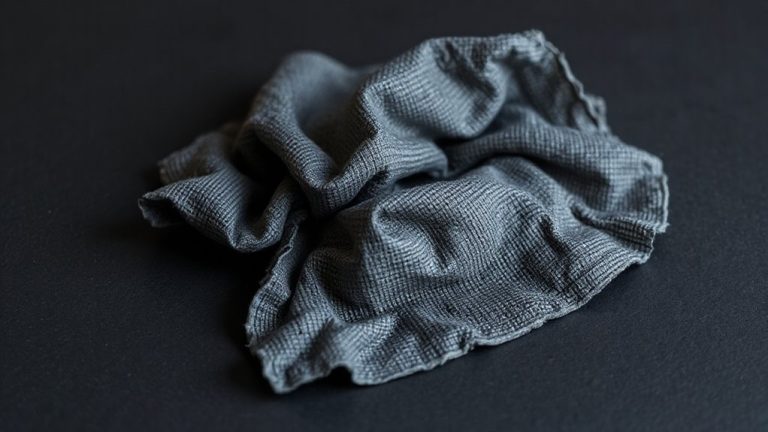
Proper installation sets the stage, but consistent upkeep guarantees your reflective cover delivers long-term protection against sun bleaching. You must maintain appropriate cleaning frequency-ideally every two weeks-to prevent dust, pollen, and contaminants from degrading the reflective coating. Rinse with water first, then gently hand wash using a non-abrasive automotive cleaner. Avoid pressure washers; they can compromise material durability. Use a soft microfiber cloth to dry and prevent micro-scratches. Inspect regularly for signs of wear like cracking, delamination, or reduced reflectivity. The cover’s aluminum-infused polymer layer, typically 0.3 mm thick, reflects up to 90% of solar radiation when clean. Dirt buildup reduces reflectivity by as much as 40%. Store the cover folded in a dry, shaded area when not in use. Exposure to UV and ozone over time degrades material durability, so periodic replacement every 3–5 years assures peak performance.
On a final note
You prevent sun bleaching on dark paint with reflective car covers. These covers deflect up to 90% of UV radiation using aluminized polyester layers. A proper fit guarantees full coverage-measured within 2 inches of your vehicle’s dimensions. Reflectivity depends on a clean, taut installation. With a 5,000 mm waterproof rating and 230–280 g/m² density, these covers last 3–5 years under daily exposure. Maintenance preserves effectiveness.