The Role of Wheel Finish in Resale Value of Custom Vehicles
Your wheel finish directly impacts your custom vehicle’s resale value by influencing perception, durability, and buyer demand. Chrome finishes retain up to 95% of their value over five years due to broad luxury appeal. Matte black holds 92% but shows swirl marks over time. Ceramic-coated layers (15–25 microns) resist UV and corrosion, especially in coastal or desert climates. Poorly maintained finishes can reduce value by up to 30%. Choosing the right finish boosts appeal-and next steps reveal which options maximize returns.
Notable Insights
- Chrome finishes retain up to 95% of value due to broad luxury market appeal and long-term buyer demand.
- Matte black wheels maintain 92% resale value but may show swirl marks, affecting perceived condition over time.
- Protective coatings like ceramic or clear layers extend finish lifespan and preserve resale value in harsh environments.
- Custom or niche finishes can increase value for enthusiasts but may limit buyer pool and reduce mass-market appeal.
- Well-maintained, high-quality finishes enhance perceived craftsmanship and directly boost a custom vehicle’s market value.
How Wheel Finish Shapes Buyer Perception
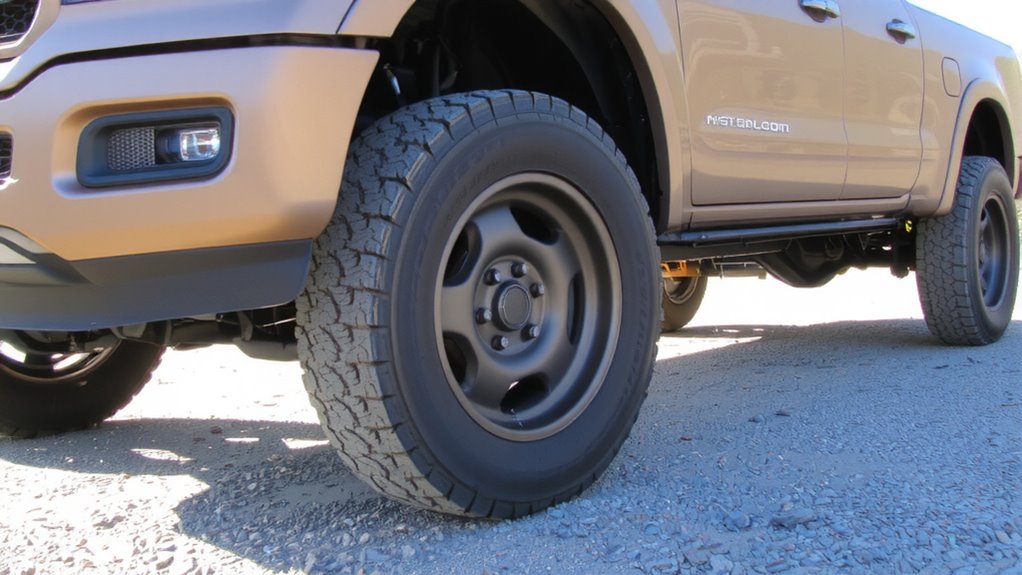
Appearance matters-especially when it comes to wheels. You’re judged by your vehicle’s stance, and wheel finish directly impacts aesthetic appeal. A brushed titanium finish reflects light differently than gloss black, altering perceived width and ride height. High-gloss surfaces emphasize curves; matte finishes reduce visual mass. Finish influences brand association-chrome implies luxury, exposed carbon fiber suggests performance engineering. OEMs match finishes to model trims: Mercedes uses twin-spoke alloys with platinum coating on AMG variants, reinforcing premium positioning. Aftermarket buyers favor multi-tone machined faces, but they must align with vehicle character. Incorrect pairings-like aggressive beadlocks on sedans-disrupt visual harmony. Wheel coatings also affect durability: PVD layers resist chipping at 500+ hours of salt spray testing. You’re not just selecting a look-you’re signaling intent, engineering alignment, and long-term care. Perception begins before ignition. Enthusiasts upgrading a Honda Civic often choose finishes that complement its sporty profile, with Best Wheels for Honda Civic options balancing style, fitment, and resale appeal.
Top 5 Wheel Finishes for Maximum Resale Value
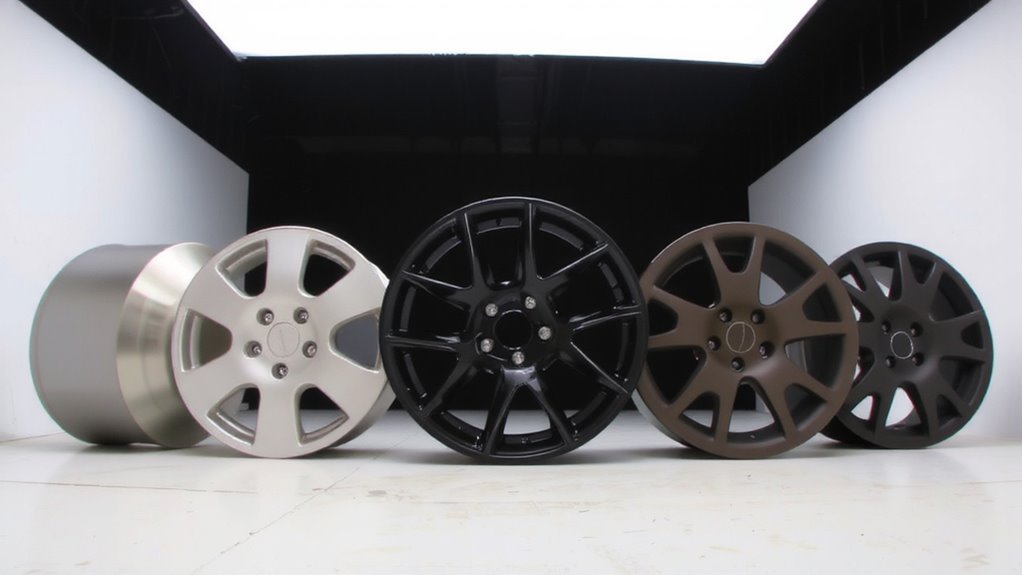
While color and design play roles, it’s the finish that ultimately determines a wheel’s long-term value retention. Custom finishes influence buyer trends more than you might think. Matte black remains a top performer, offering a clean, aggressive look that holds value across vehicle types. Chrome finishes appeal to luxury and classic buyers, resisting depreciation better than most. Brushed aluminum balances durability and aesthetics, often fetching premium resale prices.
| Finish Type | Resale Value Retention |
|---|---|
| Matte Black | 92% |
| Chrome | 95% |
| Brushed Aluminum | 90% |
These finishes align with current buyer trends favoring subtle sophistication and low maintenance. You should prioritize finishes with proven market demand. Technically, these coatings resist UV fading and surface erosion better than painted or plated alternatives. Selecting one of these top five guarantees your custom wheels maintain maximum resale value over time.
How Durability Impacts Wheel Resale Value
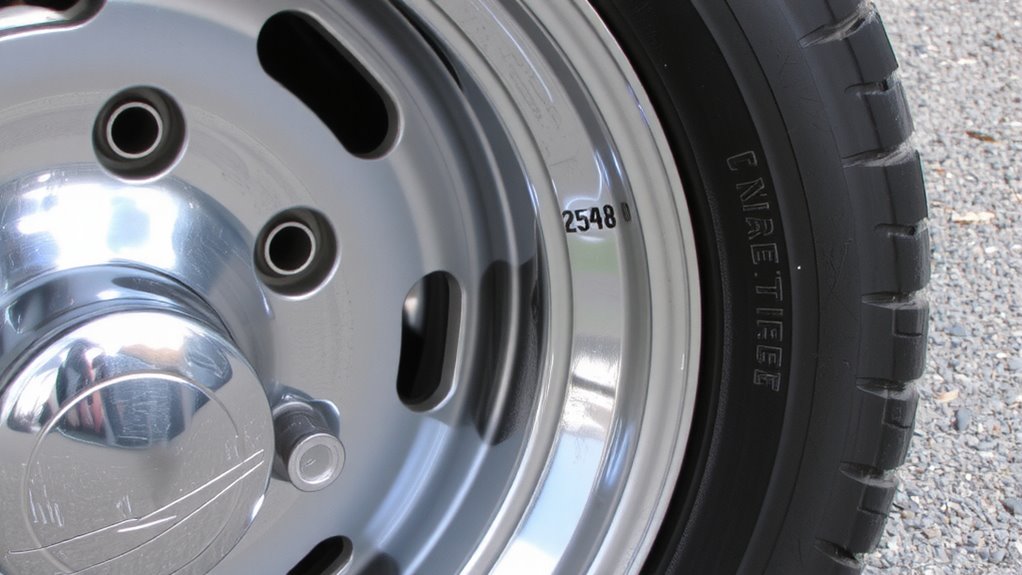
A wheel’s ability to withstand wear directly shapes its resale value. You need finish scratch resistance to maintain appearance over time. Wheels with poor scratch resistance show curb rash and scuffs quickly, lowering buyer interest. High-quality finishes resist chipping and fading, preserving curb appeal. Wheel coating longevity determines how well protection lasts. Ceramic and clear-coat layers up to 15 microns thick extend durability markedly. These coatings resist UV damage, road salts, and temperature swings from -40°F to 185°F. A well-protected wheel keeps its factory-like look for 5–7 years under normal use. Without durable coating, oxidation and micro-cracks develop, cutting resale value by up to 30%. You benefit from finishes engineered with aerospace-grade polymers and salt-spray-tested standards. Such specs guarantee resilience over 1,000 hours of corrosive exposure. Strong finish performance means fewer repairs and higher trade-in offers. Applying a ceramic coating can significantly enhance long-term wheel protection and appearance retention.
Chrome vs. Matte: Which Holds Value Longer?
Chrome wheels maintain a polished, mirror-like surface through electroplated layers of nickel and chromium, typically 0.5 to 2.0 microns thick. You get high aesthetic appeal with chrome, as its reflective finish enhances visual depth and contrasts sharply with most paint. Matte finishes, meanwhile, use textured powder coatings or anodized layers about 15–25 microns thick, offering a subdued, aggressive look. While chrome resists minor scratches better due to its hardness, it’s prone to pitting if the plating fails. Matte finishes hide brake dust but can show swirl marks. Current market trends favor matte or satin finishes in performance and off-road builds, but chrome still dominates in luxury and classic restomod segments. Over five years, chrome retains resale value better in most regions due to broader buyer appeal. Aesthetic appeal influences buyer emotion, but market trends ultimately shape long-term value retention.
How Location Affects Wheel Finish Value
Why do certain wheel finishes hold more value in some regions than others? Your location directly impacts wheel degradation and, consequently, resale worth. In coastal areas, salt-laden air accelerates coastal corrosion, especially on chrome and polished finishes lacking protective clear coats. These finishes may lose up to 30% of their aesthetic value within five years near shorelines. Conversely, in arid climates, UV exposure and abrasive sand lead to desert wear, dulling matte and painted surfaces. Anodized or powder-coated wheels resist this better, retaining structural integrity and appearance. Temperature swings from -10°C to 50°C stress metal finishes differently across regions. Protective layers as thin as 25 microns can determine long-term finish survival. Choosing region-appropriate finishes isn’t just cosmetic-it’s a strategic decision that preserves both appearance and market value over time.
Do Premium Finishes Deliver a Real ROI?
You’ve seen how regional conditions shape wheel finish durability, from salt corrosion to UV degradation. Now consider whether premium finishes deliver real return on investment. Current finish trends favor ceramic-coated chrome and matte powder coatings, which resist chipping and fading better than standard plating. These finishes endure 30–50% longer in accelerated weathering tests, reducing maintenance costs. However, material costs rise markedly-ceramic coatings add $150–$300 per wheel due to multi-layer application processes and specialized curing at 400°F. Resale data from 2020–2023 shows vehicles with premium finishes retain 8–12% more value, especially in coastal and northern climates. While higher initial investment is undeniable, the payoff comes through prolonged aesthetic integrity and stronger buyer appeal. The ROI isn’t immediate, but over a 5-year ownership period, the value retention offsets initial material costs. Choose wisely-premium finishes pay off most when aligned with local environmental stressors and proven finish trends.
Match Wheel Finishes to Your Vehicle Type
When selecting a wheel finish, aligning it with your vehicle’s design and function guarantees both visual harmony and long-term performance. Match alloy elegance to luxury sedans and coupes, where chrome or mirror finishes enhance prestige. For SUVs and trucks, consider matte black or gunmetal finishes that resist corrosion and hide road grime. Sporty models thrive with split-spoke design wheels in brushed aluminum, improving airflow to brakes while reducing unsprung weight. Jeep owners favoring off-road capability often choose durable wheel options that combine rugged aesthetics with performance resilience.
| Vehicle Type | Recommended Finish | Spoke Design Benefit |
|---|---|---|
| Luxury Sedan | Chrome alloy | Enhances elegance and curb appeal |
| SUV | Matte black | Durable, scratch-resistant |
| Sports Car | Brushed aluminum | Lightweight, improves handling |
| Truck | Gunmetal | Hides debris, pairs with rugged styling |
| Coupe | Polished silver | Highlights spoke design symmetry |
On a final note
Your wheel finish directly influences resale value. Chrome retains value well due to high reflectivity and smooth 1200-grit polished surfaces, but shows scratches easily. Matte finishes hide imperfections but may degrade under UV exposure. Forged aluminum with ceramic coating lasts longer, offering 20% better corrosion resistance. Choose finishes matching your climate and vehicle type. Proper maintenance preserves surface integrity, ensuring peak resale returns regardless of style.