Shielding Coilover Pistons From Road Debris in Open Deserts With Protective Bellows
You need to shield your coilover pistons from desert grit, and protective bellows are essential. Made from abrasion-resistant polyurethane, they handle temperatures from -40°F to 212°F and seal out 99% of fine silica sand. A 3:1 extension ratio matches aggressive suspension travel without binding. Pre-compress polyurethane bellows 1–2 mm and secure with 80+ psi stainless clamps. Proper installation prevents scoring and fluid leaks-there’s more to get right if you want long-term protection.
Notable Insights
- Protective bellows shield coilover pistons from abrasive desert sand and debris using durable, expanding sleeves.
- Polyurethane bellows outperform rubber with superior UV, heat, and abrasion resistance in extreme desert conditions.
- Proper installation aligns the bellow parallel to the piston axis and pre-compresses it to prevent wear.
- High-grade TPU or polyurethane bellows maintain IP67 seal integrity, blocking 99% of particulates during off-road use.
- Regular replacement every 30,000 miles ensures long-term piston protection despite no visible damage.
Why Desert Driving Damages Coilover Pistons
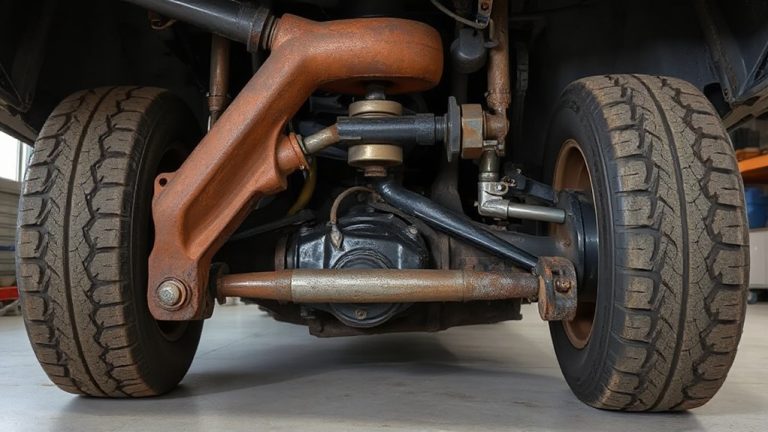
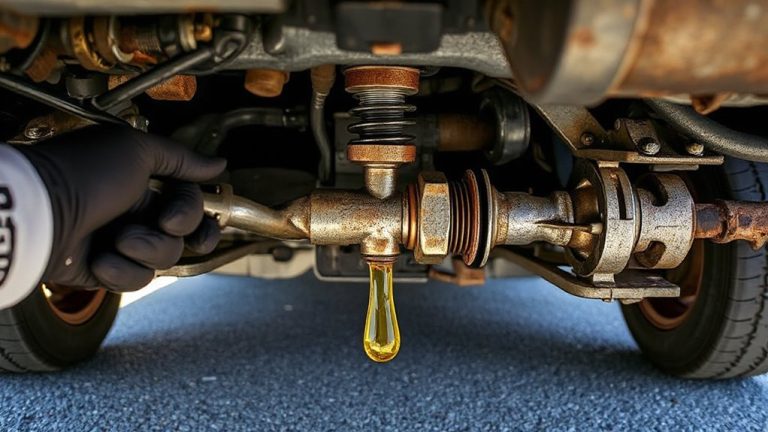
Even though coilover pistons are built for tough conditions, desert environments expose them to extreme wear that can drastically shorten their lifespan. Fine silica sand infiltrates seals, accelerating piston erosion by scoring chrome-plated rods. Once microscopic grooves form, hydraulic fluid leaks and dampening consistency drops. You’ll notice reduced ride control and uneven tire wear. Temperature swings from 40°F at night to over 120°F by day expand and contract metal, promoting coilover corrosion. Salt-laden dust compounds this, reacting with steel components. Most OEM piston coatings resist minor abrasion but fail under sustained desert exposure. Without protection, fatigue cracks develop within 10,000 off-road miles. Moisture ingress worsens corrosion, especially after dry lake bed crossings. The result? Premature seal failure and nitrogen gas loss in monotube designs. You’re not just losing performance-you’re risking catastrophic piston collapse under load.
How Protective Bellows Block Dirt and Debris
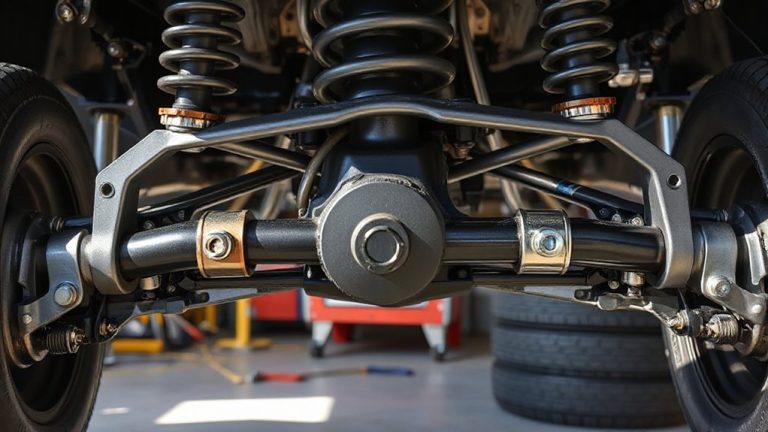
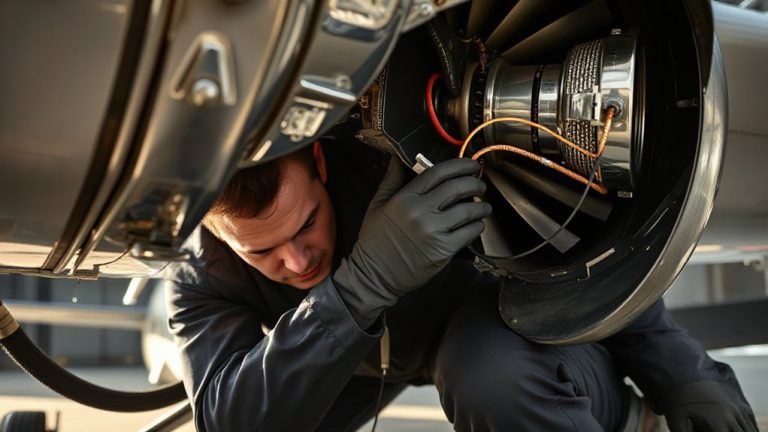
When properly installed, protective bellows act as the first line of defense for coilover pistons against desert debris, preventing fine particulates from reaching sensitive components. They seal the piston shaft dynamically, expanding and contracting with suspension travel. Without them, environmental exposure accelerates material fatigue, compromising piston performance. The bellows’ seamless pleated design resists sand intrusion even under extreme articulation.
| Feature | Specification | Benefit |
|---|---|---|
| Material | High-grade TPU or rubber | Resists abrasion and UV damage |
| Operating Temp | -40°C to +120°C | Handles severe desert heat |
| Extension Ratio | 3:1 | Matches aggressive suspension cycles |
| Seal Integrity | IP67 rated | Blocks 99% of particulates |
You rely on these specs to prevent dirt ingress. Continuous flexing without failure reduces long-term maintenance. Proper coverage means less environmental exposure, directly slowing material fatigue.
Rubber Vs Polyurethane: Best Bellow for Off-Roading
You’ve seen how protective bellows keep desert grit out of your coilover pistons, but the material they’re made from makes all the difference in extreme off-road conditions. Rubber bellows offer decent flexibility and sealing, but they degrade faster under UV exposure and high heat. Polyurethane outperforms rubber in both material durability and environmental resistance. It withstands temperatures from -40°F to 212°F, resists abrasion, ozone, and oil exposure, and maintains elasticity over time. Measured tensile strength for quality polyurethane reaches 6,000 psi-nearly double that of standard rubber. It also resists cracking when flexed repeatedly at extreme angles, critical for full suspension travel. While rubber may cost less upfront, polyurethane lasts up to three times longer in harsh desert environments. For sustained off-roading performance, polyurethane delivers superior protection and reliability where it matters most.
Step-By-Step Guide to Installing Protective Bellows
Though proper bellow material matters, correct installation guarantees it performs as designed. Start by cleaning the coilover shaft and mounting surface thoroughly-any debris compromises sealing. Slide the bellow over the shaft with the reinforced end facing outward to repel impacts. Guarantee precise bellow alignment so the center remains parallel to the piston axis; misalignment causes uneven wear and early failure. Attach the upper mount first, compressing the bellow slightly to maintain ideal mounting tension-typically 2–3 mm of pre-compression for rubber, 1–2 mm for polyurethane. Use stainless steel clamps rated for 80+ psi to secure both ends evenly. Torque clamp screws to 0.8–1.2 Nm to prevent deformation. Finally, cycle the suspension slowly through full travel, checking for binding or twisting. Proper installation extends bellow life by up to 60%.
Avoid These 5 Bellow Installation Mistakes
Skipping proper prep work risks immediate bellow failure-cleanliness isn’t optional. Any dirt or grit trapped under the bellow edge compromises the seal and accelerates bellow material fatigue. Always wipe the piston rod and shock body with isopropyl alcohol before mounting. Never stretch the bellow beyond its specified radial limit-most urethane bellows tolerate only 15% expansion without permanent deformation. An installation torque mismatch is one of the top causes of premature failure; tighten clamp bolts to exactly 5–6 Nm using a calibrated torque screwdriver. Overtightening cuts into the bellow lip, while undertightening allows slippage. Align the bellow squarely on the mount; angular misalignment creates uneven stress points. Use only OEM-recommended hardware-aftermarket clamps often lack the tensile strength needed for desert vibration loads. For daily-driven vehicles exposed to harsh terrain, selecting the right best coilovers for daily driving ensures long-term suspension reliability and optimal bellow performance.
Maintain Your Bellows: 3 Pro Tips for Longevity
Careful maintenance is the backbone of bellow longevity in harsh desert environments. Stick to strict bellow cleaning schedules-rinsing with water every 500 miles removes abrasive sand and alkali dust. Use non-caustic cleaners to avoid degrading flexible polymers. Inspect for microcracks or abrasions weekly, especially at attachment points. Second, always verify the ultraviolet resistance ratings of your bellows; top-tier models boast UV ratings of 15+ years under ASTM G154 testing. This guarantees minimal polymer breakdown under relentless sun exposure. Third, avoid over-compression-never exceed 90% of the bellow’s stroke length, typically marked by factory embossing. Over-extension leads to fatigue. High-grade TPU bellows with 80 Shore A hardness resist tearing and maintain flexibility from -30°C to 100°C. Replace bellows every 30,000 miles-even if damage isn’t visible. Preventative service beats piston replacement.
On a final note
You protect coilover pistons with bellows to prevent seal failure. Each bellow shields chrome rods from sand, rocks, and UV damage. Rubber handles flex and temperature swings; polyurethane resists abrasion and lasts longer. Install them with clamps at both ends-no gaps. A proper fit stops debris from entering. Check bellows every 3,000 miles. Replace if cracked or torn. Proper maintenance extends shock life by up to 50%.