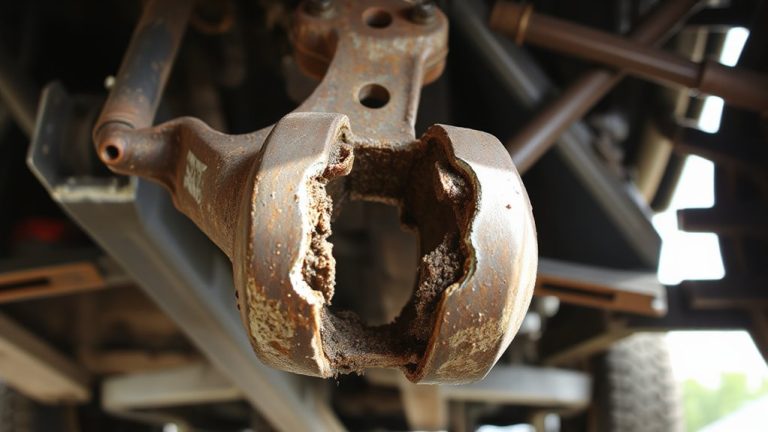
Using Vapor Corrosion Inhibitor Papers in Glove Boxes and Trunks
You protect metal parts in glove boxes and trunks using VCI paper that releases corrosion-inhibiting vapors. These molecules diffuse through enclosed air and form a one-molecule-thick layer on metal surfaces, blocking rust-causing electrochemical reactions. Use papers matched to your metal type-ferrous, non-ferrous, or mixed-and guarantee full coverage within 30 cm of all components. Seal the environment completely; protection lasts up to 24 months, but high humidity cuts effectiveness. Replace every 12–24 months, or sooner if brittleness or fading occurs. Proper placement and chemistry selection prevent failures. Up to 70% protection loss comes from poor layout. A single 10 in x 12 in sheet safeguards about 1.5 ft³. For long-term preservation, maintain >95% seal integrity. The right VCI choice keeps tools and components rust-free under challenging conditions. Further details reveal how to optimize each step for maximum durability.
Notable Insights
- Use VCI paper compatible with your metal type to ensure effective corrosion protection in enclosed spaces like glove boxes and trunks.
- Place VCI paper within 30 cm of all metal surfaces to allow proper vapor dispersion and uniform protection.
- Seal the enclosure completely to maintain vapor concentration and prevent moisture ingress that degrades VCI effectiveness.
- Replace VCI paper every 12–24 months, or every 6 months in high-humidity or condensing environments.
- Avoid folding or bunching VCI paper to ensure unobstructed sublimation and maximum vapor coverage.
How VCI Paper Stops Rust in Enclosed Spaces
When you wrap metal parts in VCI (Vapor Corrosion Inhibitor) paper, the protection begins immediately as the paper emits corrosion-inhibiting molecules into the enclosed air space. These molecules disperse via molecular diffusion, spreading evenly throughout the container. Within hours, they settle on all exposed metal surfaces, forming a thin, invisible layer just one molecule thick. This layer disrupts electrochemical interference, the process that drives rust and corrosion. By blocking anodic and cathodic sites, the VCI molecules prevent oxidation reactions, even in high-humidity environments. Protection lasts up to 24 months in sealed enclosures. The paper works effectively in glove boxes, trunks, and shipping containers. It requires no coatings or residues. Relative humidity up to 95% doesn’t reduce efficacy. Once sealed, continuous vapor emission guarantees full coverage, protecting complex geometries and hidden surfaces where moisture collects.
Choose The Right VCI Paper for Your Tools
You already know VCI paper protects metal by releasing corrosion-inhibiting vapors inside sealed spaces. Choosing the right VCI paper matters because not all metals react the same. You must consider VCI compatibility with the specific alloys in your tools-some formulations suit ferrous metals, while others protect mixed materials. Material sensitivity is critical; delicate surfaces like polished blades or electronics may require neutral pH VCI chemistry to prevent residue or tarnish. Standard VCI papers emit inhibitors for up to 24 months in enclosed areas. They typically come in sheets measuring 18” x 24” with a basis weight of 40–60 g/m², balancing vapor output and physical strength. Opt for polyethylene-lined VCI paper when moisture resistance is essential. Always match the VCI chemistry-nitrite-based, amine carboxylate, or organic blends-to your tool’s composition and storage environment. Wrong choices risk incomplete protection or surface damage.
Use VCI Paper in 4 Simple Steps
Though protection begins the moment VCI paper contacts the air, proper application guarantees full coverage and long-term effectiveness. First, clean and dry the metal surface completely-any moisture or debris blocks vapor diffusion. Second, cut the VCI paper to fit snugly around or inside the tool or enclosure, ensuring no gaps. Proper placement means wrapping components directly or lining storage areas so the paper is within 30 cm of all metal parts. Third, seal the storage environment completely; VCI molecules disperse best in enclosed spaces like trunks or glove boxes. Fourth, perform regular inspection every 30 days to confirm the paper remains intact and fully deployed. Do not overload compartments-crowding limits vapor circulation. Each sheet remains effective up to two years in unbroken, sealed conditions. VCI technology releases a corrosion-inhibiting vapor at a controlled rate, forming a molecular layer that blocks oxidation.
When to Replace VCI Paper
How long can you rely on that VCI paper before it stops working? VCI degradation over time reduces protection, typically after 12 to 24 months under normal conditions. You’ll need to replace it before corrosion risk increases. The papers lose effectiveness as the corrosion-inhib游戏副本iting chemicals dissipate. Environmental humidity effects accelerate this loss-above 60% RH, depletion can occur in under a year. In sealed glove boxes, the enclosed space slows release but doesn’t stop chemical exhaustion. Trunks with fluctuating temperatures experience condensation, worsening humidity effects. High moisture levels also promote early film breakdown. Inspect paper annually for brittleness or fading color-signs of chemical depletion. In high-humidity storage areas, plan replacements every six months. Don’t wait for visible corrosion. Proactive replacement guarantees continuous vapor-phase protection.
Avoid These VCI Protection Mistakes
Why do some sealed packages still corrode despite using VCI paper? The issue often stems from improper placement or using expired batches. You must position VCI paper so it’s in direct line with metal surfaces-typically every 12 to 18 inches for full coverage. If the paper is bunched, folded away, or blocked by non-porous materials, vapor dispersion drops by up to 70%. VCIs work via sublimation, releasing protective molecules at 0.5 to 2.0 mg/dm³ per 24 hours in enclosed spaces. Expired batches lose this output; most papers remain effective 2–5 years when sealed. Once opened, use within 6 months. Never assume one sheet fits all-surface area matters. A 10 in x 12 in sheet protects roughly 1.5 ft³. Avoid moisture traps and guarantee 95% closure integrity. These steps prevent failure and guarantee long-term protection.
On a final note
You’ve secured your tools against corrosion. VCI paper emits vapor that bonds to metal, forming a protective molecular layer up to 10 microns thick. It works in enclosed spaces like glove boxes or trunks, with 98% humidity resistance. Replace every 12 months or when visibly degraded. Use ASTM-approved papers with verified volatile corrosion inhibitor concentrations. Avoid direct contact with electronics. Proper placement guarantees continuous protection-no gaps, no failures.