Achieving Perfect Paint Protection Film Installation With Proper Curing Times Understanding
Your PPF typically cures in 48 to 72 hours under ideal temperatures of 60°F–80°F. Thicker 8-mil films and high humidity may extend curing to 96 hours. The pressure-activated adhesive bonds immediately but needs time to fully cross-link. Avoid washing, sun exposure, and water contact during cure. Full clarity and adhesion signal completion-probing edges should show no lifting. Ideal conditions guarantee proper micro-bond formation; consistent results depend on following precise manufacturer guidelines for your specific film type.
Notable Insights
- Allow 48 to 72 hours for full PPF cure, with thicker 8-mil films needing more time than 6-mil.
- Maintain temperatures between 60°F and 80°F to prevent bubbling, lifting, or incomplete adhesion.
- High humidity can extend curing up to 96 hours; avoid direct sunlight and freezing conditions.
- Do not wash or expose to water for at least 72 hours to protect adhesive integrity.
- Full cure is confirmed by smooth, non-tacky film with no lifting when tested after seven days.
How Long Does PPF Take to Cure?
How long should you expect before your paint protection film reaches full performance? Most PPF installations take 48 to 72 hours to fully cure under ideal conditions. The curing time depends heavily on material thickness and adhesive composition. Films with a standard 8-mil thickness require more time to off-gas trapped moisture than thinner 6-mil variants. The adhesive layer, typically a pressure-activated acrylic, needs time to cross-link and bond securely to the paint. Initial adhesion occurs immediately after installation, but full chemical bonding takes time. You’ll notice hazing or slight cloudiness at first-this is normal and clears as moisture escapes. Avoid washing or touching the edges during this period. Proper curing guarantees long-term durability, self-healing capability, and resistance to lifting or staining. Never confuse handling strength with full cure-your film may feel secure, but full performance comes only after complete adhesive stabilization. For optimal results, choose from the Best Car Paint Protection Film Picks based on real-world performance and expert testing.
How Climate Affects PPF Curing Time
Temperature and humidity play a major role in how quickly your paint protection film reaches full cure, even after the standard 48 to 72 hours. Ideal curing occurs between 60°F and 80°F. Outside this range, curing slows or becomes inconsistent. Temperature fluctuations stress the adhesive layer, possibly causing bubbling or lifting edges. High humidity levels delay water evaporation from beneath the film, extending dry time. In humid climates, expect up to 96 hours for full adhesion. Low humidity speeds evaporation but risks premature drying, reducing workability during installation. Avoid direct sunlight or freezing conditions post-installation. The film must bond gradually under stable conditions. Think of it like concrete curing-too much moisture or heat causes structural flaws. Maintain stable environmental conditions for reliable, long-term performance.
Curing Times by PPF Type
While all paint protection films require time to fully adhere, the exact curing duration depends heavily on the specific type of PPF you’re working with. Thermoplastic polyurethane (TPU) films typically cure within 48 to 72 hours under ideal conditions. Higher material quality often means faster, more reliable curing due to advanced adhesive formulations. Clear coat recovery layers can extend curing slightly, needing up to 96 hours. Vinyl-based PPFs, less common today, may take over a week. Your installation techniques directly impact curing efficiency-proper squeegee pressure and decontamination guarantee maximum surface contact. Poor application traps moisture, delaying adhesion. Specialty films with hydrophobic coatings or self-healing properties rely on precise curing to activate. Always consult manufacturer data, as curing times vary by brand and thickness, typically 6–8 mils.
Don’t Wash or Park in Sun for 3 Days
After installation, avoid washing your vehicle or parking it in direct sunlight for at least 72 hours. This curing window is critical for proper adhesion. Water damage can occur if moisture seeps under the film before it bonds fully, leading to lifting edges or trapped bubbles. Even gentle water pressure from automated car washes can compromise the adhesive seal. The film needs time to dry and set; premature exposure increases failure risk. Heat exposure accelerates adhesive bonding but excessive sunlight during curing causes uneven shrinkage or warping. Direct UV rays can overheat the film’s thermoplastic urethane layer, altering its tension and fit. Park in a garage or shaded area to maintain stable conditions. Ambient temperatures between 60–80°F (15–27°C) support ideal curing. Avoid extreme environments. Your PPF performs best when these post-installation guidelines are followed precisely, ensuring long-term protection and clarity.
How to Tell If Your PPF Is Ready
How can you know when your paint protection film has fully cured? Check the adhesion strength first. After seven days, the film should bond completely to the painted surface, resisting lifting or bubbling even when lightly probed. Proper adhesion occurs as micro-bonds form between the acrylic adhesive layer and clear coat. Surface texture is another key indicator. A cured film feels smooth and consistent, without tackiness or ripples. If it still feels soft or sticky, especially along edges, it’s not fully cured. Full polymer cross-linking typically takes 24 to 72 hours in ideal conditions-20–25°C and 50–60% humidity. Outside this range, curing slows. UV exposure accelerates it slightly, but avoid direct sun in early stages. Once the surface texture stabilizes and adhesion strength meets manufacturer specs-usually 800–1,000 g/in-you’re safe. For those also looking to protect interior surfaces, consider applying car interior protection films to maintain cabin quality and resale value.
Best Aftercare for PPF
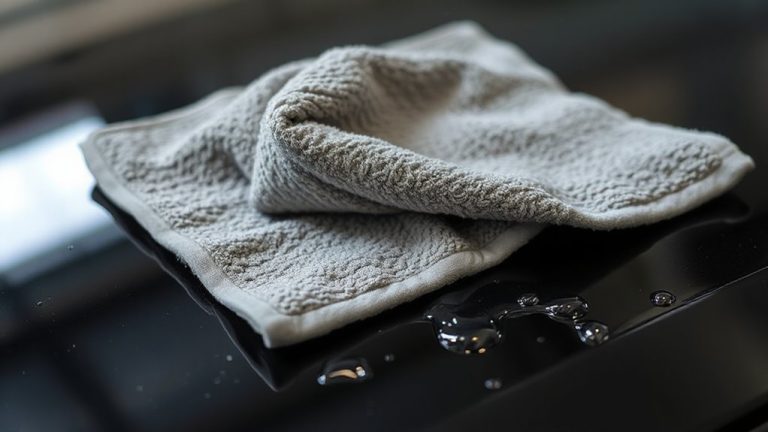
Once your paint protection film has fully cured, maintaining its performance depends on consistent, correct aftercare. Proper surface maintenance preserves film longevity and guarantees peak clarity. Wash your vehicle every two weeks using a pH-neutral car shampoo-avoid harsh chemicals or abrasive cloths that can degrade the film’s protective layer. Use a microfiber wash mitt and rinse thoroughly to prevent contaminant buildup. Dry with a clean microfiber towel to avoid water spots. Never use automated car washes with brushes; they can lift film edges. Apply a PPF-safe wax or sealant every three months to enhance hydrophobic properties. Avoid petroleum-based products, which may cause yellowing. Inspect the film monthly for lifting, bubbling, or scratches. Address damage early to prevent paint exposure. Proper care maintains self-healing performance for minor scuffs.
On a final note
Your PPF needs 72 hours to cure before washing or sun exposure. Colder climates extend cure time up to 10 days; temperatures below 50°F slow adhesive bonding. Gloss films typically cure in 3–5 days, matte finishes in 5–7. Properly cured film reaches full clarity and scratch resistance. Check for hazing or edge lifting-clear, tight edges mean it’s ready. Post-cure, use pH-neutral soaps and avoid wax for 30 days to preserve self-healing properties.