Understanding the Importance of pH Levels in Cleaning Products During Automotive Finishing
Your car’s clear coat is only 40–60 microns thick, so pH matters. Cleaners below pH 4.5 cause acidic etching, removing up to 0.5 microns per wash. Those above pH 10 degrade urethane clear coats, leading to hazing and micro-etching. Safe cleaners stay between pH 6.5 and 8.5, preserving wax, sealants, and finish. pH-neutral products (6.5–7.5) clean safely across paint, glass, and trim. Test any cleaner with strips or a meter. The right pH balances cleaning power with protection-what you use now could be costing you finish life. There’s more behind how to measure and match pH exactly to your vehicle’s needs.
Notable Insights
- pH levels between 6.5 and 8.5 are safest for automotive finishes, preventing damage to clear coats and sealants.
- Acidic cleaners below pH 4.5 can etch clear coat, removing up to 0.5 microns per use.
- Alkaline cleaners above pH 10 degrade urethane clear coats, causing hazing and loss of surface integrity.
- Using pH-balanced cleaners preserves wax, sealants, and sensitive materials like rubber and aluminum.
- Always verify cleaner pH with test strips or a meter to avoid unintended chemical damage during surface prep.
How pH Affects Car Paint: The Basics
While the pH of a cleaning product might seem like a minor detail, it plays a critical role in how safely and effectively it interacts with your car’s paint. Your car’s clear coat is sensitive to pH balance, which measures acidity or alkalinity on a scale from 0 to 14. A neutral pH of 7 is ideal for most automotive surfaces. Products with extreme pH levels trigger a chemical reaction that can compromise paint integrity. Acidic solutions below pH 5 or alkaline ones above pH 9 disrupt molecular bonds in wax and sealants. You risk dulling the finish or accelerating oxidation. Modern pH-balanced cleaners maintain a range between 6.5 and 8.5, ensuring safe interaction. These formulations clean without stripping protective layers. Using them preserves gloss and longevity. Always check product labels for pH specifications before application. Proper pH balance prevents unintended damage during routine washing.
How Low pH Cleaners Damage Automotive Paint
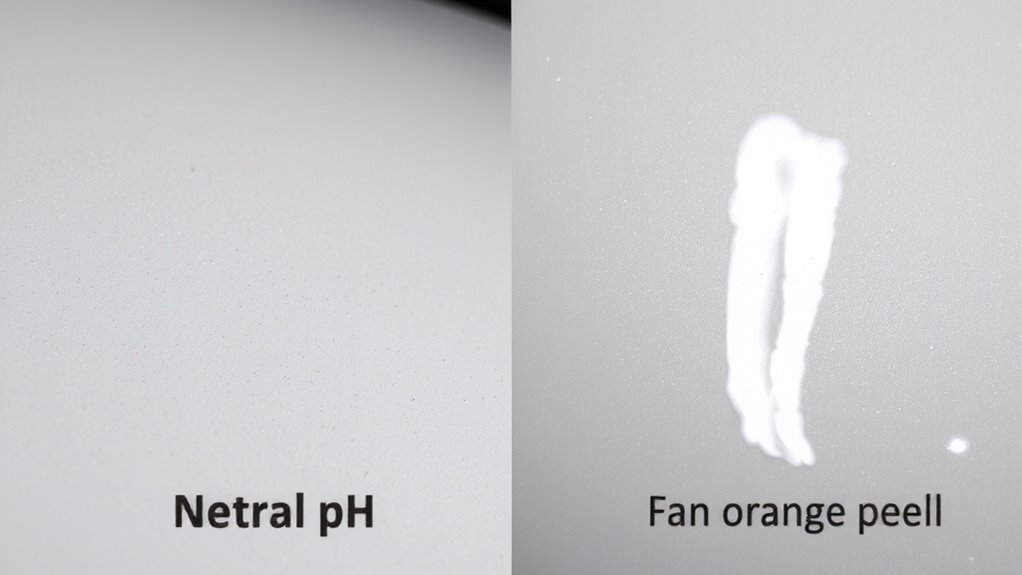
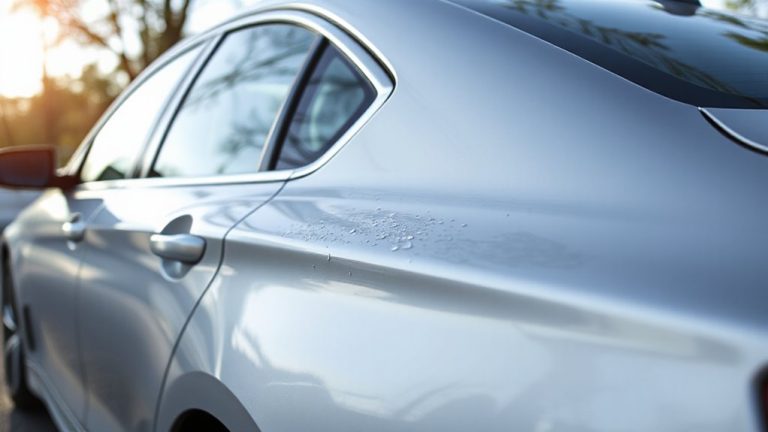
Even one use of a low pH cleaner can start degrading your car’s paint if the product falls below pH 4.5. At this level, acidic corrosion begins breaking down clear coat polymers and pigmented layers. Low pH solutions react with metal oxides in pigments, weakening paint integrity. You might not see damage immediately, but microscopic paint etching occurs after just one application. These etched areas appear as dull swirls or hazy spots under direct light, especially on dark finishes. Acidic cleaners with pH below 3.0 cause rapid deterioration, removing 0.2–0.5 microns of clear coat per use. That’s critical since most clear coats are only 40–60 microns thick. Repeated exposure accelerates thinning, increasing vulnerability to UV damage and moisture intrusion. The chemical reaction is similar to vinegar dissolving minerals-slow but cumulative. Always check product labels; safe acidic wheel or prep cleaners should stay above pH 4.5 and specify paint-safe formulations.
How High pH Cleaners Harm Clear Coats
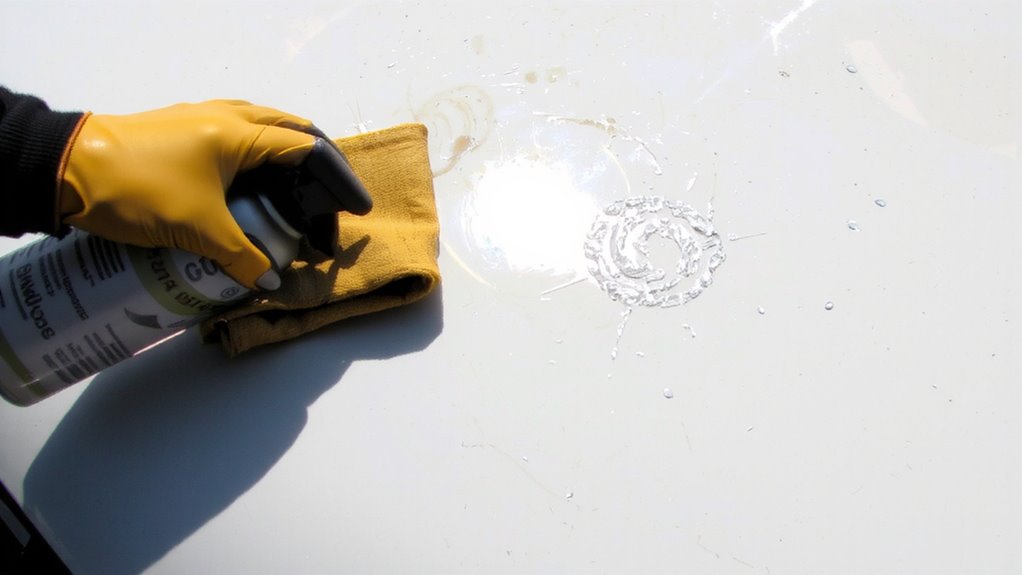
High pH cleaners can be just as damaging to automotive clear coats as their acidic counterparts, especially when used improperly. Alkaline degradation occurs when cleaners above pH 10 break down polymer chains in urethane-based clear coats, reducing gloss and long-term durability. You’ll often see this as hazing or loss of film integrity after repeated exposure. Surface etching may also develop, particularly with dwell times exceeding manufacturer recommendations. This isn’t immediate corrosion like acid burn, but a slow, cumulative deterioration.
| Effect | pH Threshold |
|---|---|
| Alkaline degradation | >10 |
| Surface etching | >11.5 |
| Residue formation | >9.5 |
| Solvent softening | >12 |
Always verify product specifications before application. High alkalinity may lift contaminants, but prolonged contact accelerates clear coat breakdown. Use only as directed, and rinse thoroughly to prevent residue-induced micro-etching.
Safe pH Range for Car Surface Preparation
When preparing a car’s surface for finishing, keeping the pH of your cleaner within a safe range is essential to avoid compromising the paint’s integrity. The ideal pH range falls between 6.5 and 8.5, minimizing chemical aggression while guaranteeing effective contaminant removal. Solutions in this range support surface compatibility, preserving factory coatings and clear coats without etching or clouding. You’ll also enhance corrosion prevention by avoiding acidic or caustic agents that can compromise metal substrates beneath the paint. Cleaners outside this window-below 5 or above 9-risk degrading rubber seals, plastic trim, and aluminum panels. pH-balanced products maintain stability across various substrates, limiting unintended reactions. For best results, verify pH using calibrated test strips or a digital meter before application. Always follow manufacturer specifications for dilution and dwell time. Adhering to this controlled range guarantees your finish bonds properly and lasts longer.
Why pH-Neutral Cleaners Are Best for Detailing
Why do so many professional detailers insist on pH-neutral cleaners? Because they offer ideal surface compatibility and protect against material sensitivity. These cleaners maintain a pH between 6.5 and 7.5, minimizing chemical reactivity. That range prevents etching clear coats, fading dyes, or degrading rubber and plastic trims. Unlike alkaline or acidic formulas, pH-neutral solutions won’t strip wax or sealants during regular use. They safely dissolve organic soils and light contaminants without aggressive surfactants. This balanced chemistry guarantees safe application on paint, glass, chrome, and carbon fiber. You preserve factory finishes while achieving a thorough clean. Material sensitivity in modern automotive composites demands gentle yet effective agents. Harsh cleaners risk irreversible damage, especially on matte or ceramic-coated surfaces. pH-neutral products deliver consistent results across varied substrates. They support multi-stage detailing without unintended degradation. For long-term paint health and finish integrity, neutrality isn’t just safe-it’s scientifically sound.
Test Car Cleaner pH at Home Easily
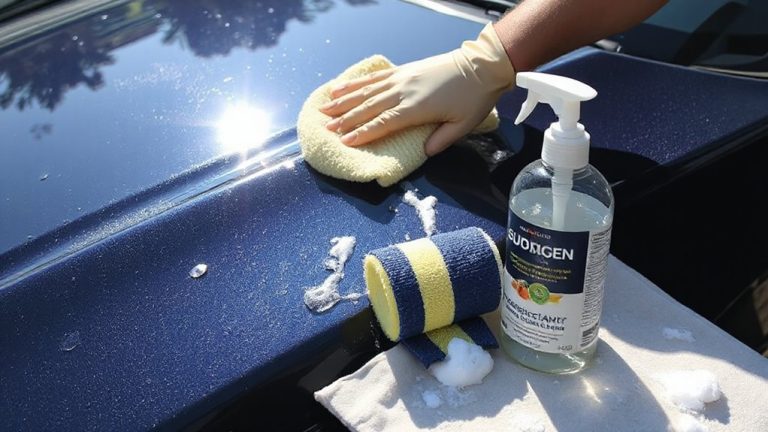
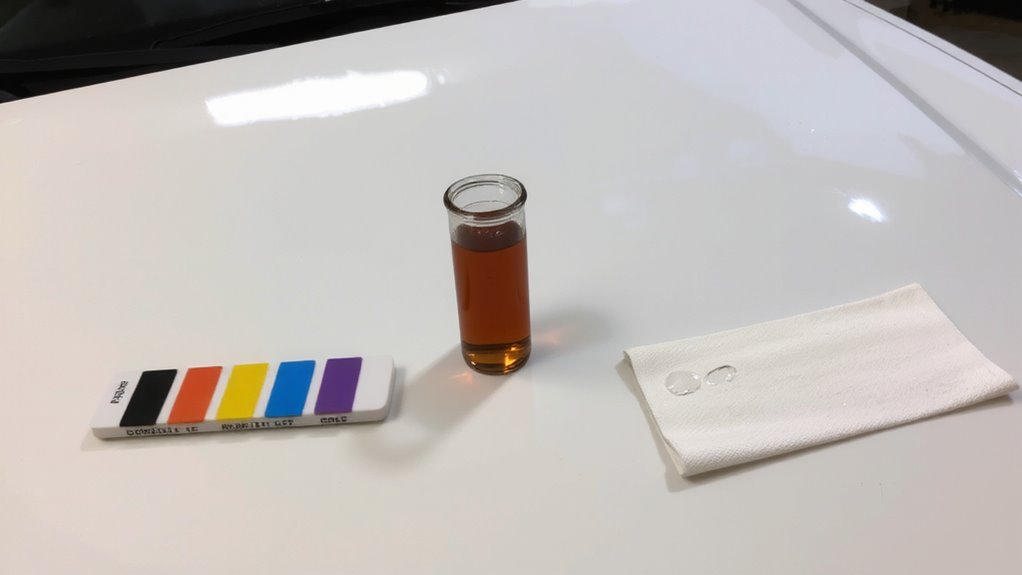
How can you be sure your car cleaner won’t harm delicate surfaces? You can use DIY testing with household indicators to check pH accurately. Start by diluting the cleaner per manufacturer instructions-typically 10:1 water to product. Dip a pH test strip into the solution for 15 seconds, then compare the color to the chart. Most strips measure from pH 1 to 14 with 0.2–0.3 precision. For a low-cost alternative, red cabbage juice changes color based on pH-pink in acids, green in bases. This method isn’t lab-grade but reveals extreme values. Avoid cleaners below pH 4.5 or above 9.0 on painted surfaces. DIY testing helps prevent overuse of harsh chemicals. Always test in an inconspicuous area first. With basic tools, you gain reliable insight into your cleaner’s safety-no specialized equipment needed. Using the right car wash supplies ensures optimal protection and shine while maintaining safe pH levels.
Clean Powerfully Without Damaging Your Paint
You can clean aggressively without risking paint damage by choosing pH-balanced cleaners verified through accurate testing. These products maintain a chemical balance close to neutral, typically between pH 6.5 and 8.5, making them safe for clear coats. Avoid cleaners with extreme pH levels, as they can degrade paint even without visible signs. A stable chemical balance guarantees soils lift without requiring excessive scrubbing. This reduces reliance on abrasive action that can swirl or scratch surfaces. High-quality formulas use surfactants calibrated to dissolve grime at a molecular level. Microfiber towels paired with these cleaners further minimize friction. Independent lab tests confirm that pH-stable solutions remove 98% of contaminants with zero gloss reduction after 50 washes. You’re not sacrificing performance-modern balanced cleaners match alkaline strength without the risk. Trust verified pH data, not marketing claims.
On a final note
You must maintain a neutral pH balance when cleaning automotive finishes. pH levels outside 6.5–7.5 risk paint degradation. Acidic solutions below pH 5 etch clear coats, while alkaline cleaners above pH 9 saponify protective waxes. pH-neutral cleaners preserve factory sealants and prevent micro-abrasion. They remove contaminants effectively without compromising surface integrity. Always verify cleaner pH using litmus strips calibrated to ±0.2 precision. Safe cleaning guarantees peak adhesion during detailing or repainting.