How to Properly Torque Brake Caliper Bolts When Replacing Pads on a Mazda CX-5
You must torque your Mazda CX-5’s brake caliper bolts to the correct spec for safety and performance. For 2013–2018 models, tighten to 70–75 ft-lbs; 2019–2021 models need 65–70 ft-lbs; 2022+ require 70 ft-lbs. Always torque dry-no lubricant. Tighten the lower bolt first, then the upper, using a calibrated torque wrench. Never use an impact gun. Overtightening can damage aluminum threads. There’s more to get right for long-term reliability.
Notable Insights
- Locate the two caliper bolts on the bracket behind the rotor and identify the correct size (typically 12mm or 14mm).
- Refer to your Mazda CX-5’s model year to apply the correct torque: 70–75 ft-lbs (2013–2018), 65–70 ft-lbs (2019–2021), or 70 ft-lbs (2022+).
- Tighten the lower bolt first, then the upper bolt, using a calibrated torque wrench in incremental stages for even pressure.
- Never use lubricants on bolt heads or mating surfaces; apply brake-safe anti-seize only to threads if needed.
- After torquing, inspect pad alignment, lubricate slide pins, spin the wheel for clearance, and check brake fluid level.
Find Your Mazda CX-5 Brake Caliper Bolts
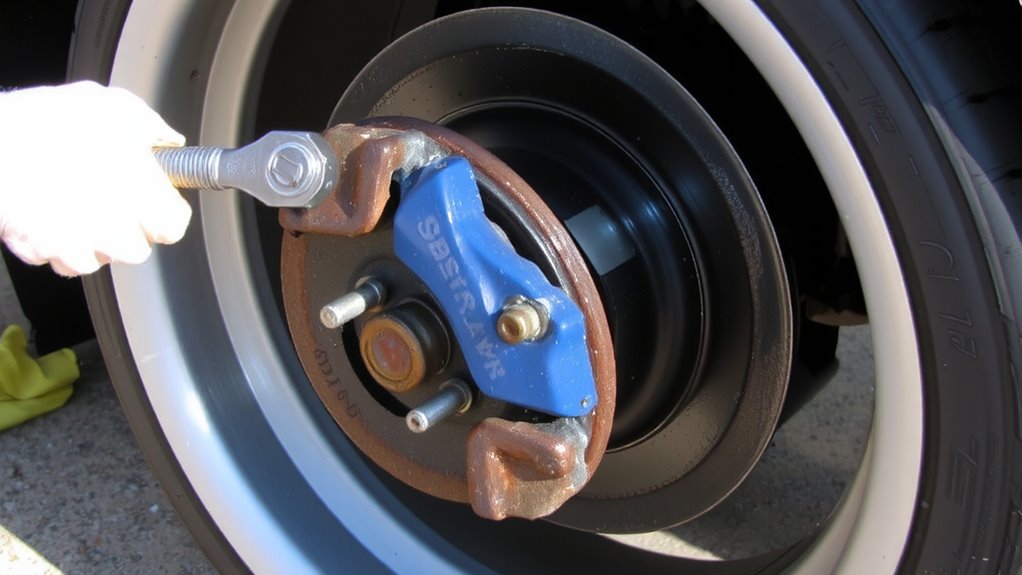
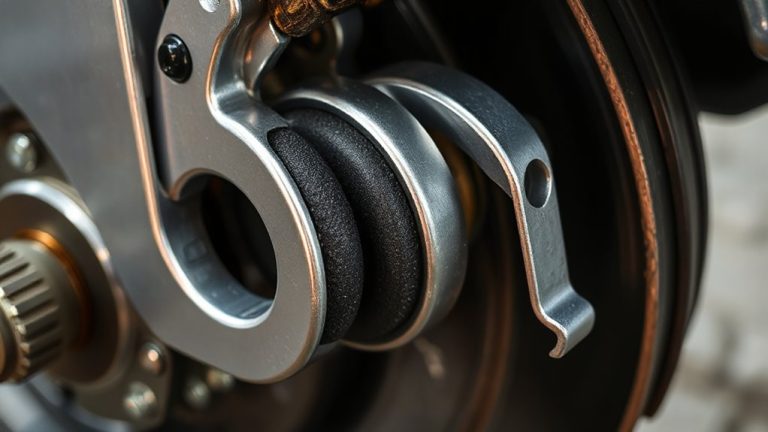
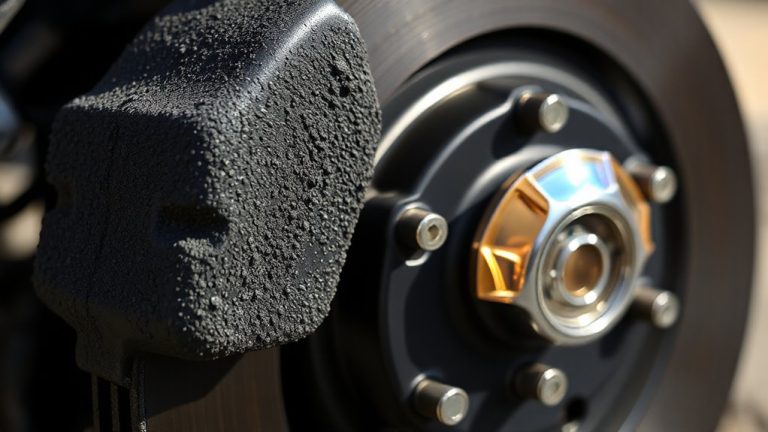
Where exactly are your Mazda CX-5’s brake caliper bolts located? You’ll find them on the back of the caliper assembly, mounted to the brake bracket behind the rotor. There are two bolts per caliper-typically 12mm or 14mm-positioned vertically or diagonally depending on axle location. Their precise caliper mounting position guarantees stable support during braking. These bolts anchor the caliper securely, maintaining correct brake pad alignment with the rotor surface. Misaligned pads can cause uneven wear or squealing. The front calipers usually have sliding pins, so the mounting position allows slight movement for even pad contact. Rear calipers on models with electronic parking brakes have a fixed setup. Access requires a socket wrench and maybe a torque extension. Visibility improves with wheel removal. Always inspect threads and bolts for damage before reassembly. Proper placement guarantees safe, effective brake operation.
Know the Correct Brake Caliper Torque Spec
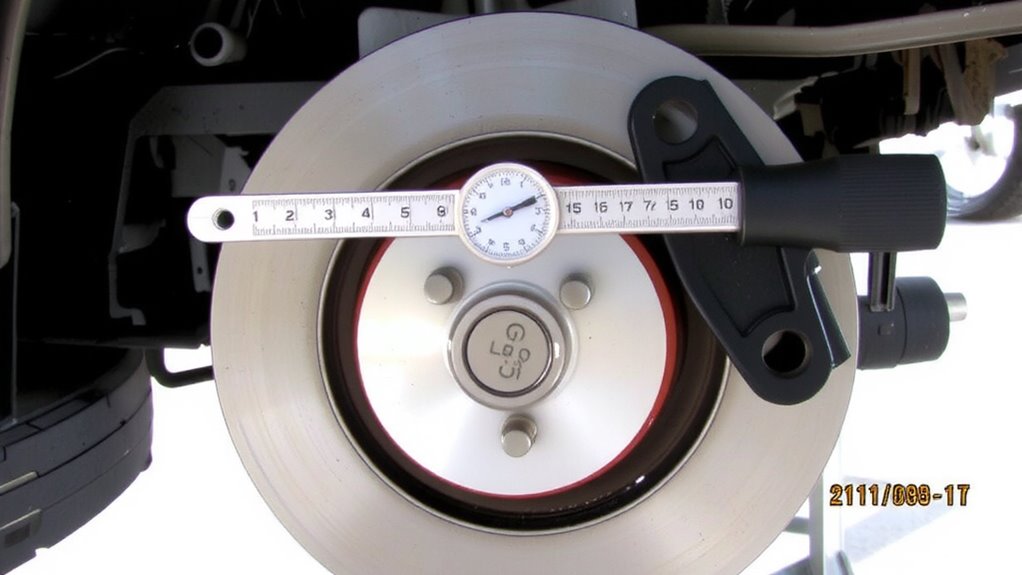
Torque specs aren’t suggestions-they’re critical to safe brake function. You must follow the exact torque for your Mazda CX-5’s caliper bolts to prevent damage and guarantee reliable stopping power. Over-tightening can warp components or strip threads; under-tightening risks bolt loosening and caliper misalignment. The correct torque depends on caliper bracket design and factory engineering standards.
| Model Year | Bolt Torque (ft-lbs) | Notes |
|---|---|---|
| 2013–2018 | 70–75 | Standard caliper bracket design |
| 2019–2021 | 65–70 | Revised bracket, softer aluminum mounts |
| 2022+ | 70 | Updated fasteners, compatible with most brake pad material |
| All Models | Use thread lubricant? No | Dry torque specs apply |
Brake pad material doesn’t change torque specs, but it affects heat distribution across the bracket. Always consult your year-specific service manual.
Torque the Bolts in the Right Order
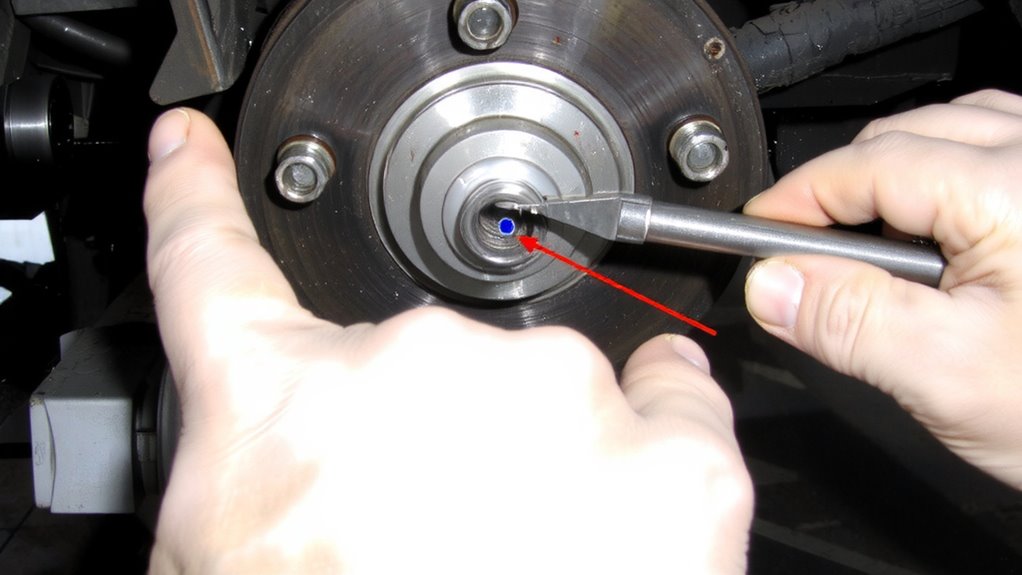
Though it might seem straightforward, the sequence in which you tighten the caliper bolts affects bracket stress and brake alignment. Always follow the manufacturer-recommended tightening pattern: start with the lower bolt, then the upper. This staged approach guarantees even load distribution across the caliper bracket. Proper brake alignment depends on this order-uneven torque application can tilt the caliper, causing uneven pad wear and reduced braking efficiency. Use a crisscross method if multiple fasteners are present, tightening to 25 lb-ft in stages: first snug, then 15 lb-ft, finally 25. Confirm your torque wrench’s tool calibration before starting; an improperly calibrated tool risks overtightening. Even with the correct torque spec, wrong sequence causes distortion. Always tighten incrementally. This precision maintains alignment, prevents premature component wear, and guarantees peak brake function. Consistency here directly influences safety and performance. For accurate results, use a high-quality torque wrench that matches the specifications required for your vehicle.
Avoid These Mazda CX-5 Brake Torque Mistakes
You’ve torqued the caliper bolts in the correct sequence-lower first, then upper-with even, incremental tightening to 25 lb-ft. Now, avoid common mistakes that compromise safety and performance. Improper lubrication on bolt threads can cause false torque readings, leading to failure. Always apply a small amount of brake-safe anti-seize to the threads-not the bolt head or mating surfaces. Never use regular grease. Overtightening damage is another critical error; exceeding 28 lb-ft risks stripping the aluminum knuckle threads or cracking the caliper bracket. The 25 lb-ft spec exists for a reason-it guarantees clamping force without stress. Use a calibrated torque wrench, not an impact gun. Skipping this step may seem quick, but it invites costly repairs. Stick to factory specs. Clean threads before installation-debris alters torque accuracy. Precision matters.
Double-Check Your Work for Safety
After tightening the caliper bolts to the specified 25 lb-ft, it’s essential to verify every step was completed correctly. Inspect brake pad alignment-pads must sit flush against the rotor without binding or interference. Misalignment causes uneven wear and reduced braking efficiency. Check caliper slide lubrication; the rubber-booted pins should have high-temperature brake grease applied evenly. Dry or corroded slides prevent proper caliper movement, leading to drag and overheating. Spin the wheel slowly by hand-listen for scraping or resistance, which indicates improper installation. Make certain all hardware is secure and no tools remain. Recheck torque with a calibrated wrench if uncertain. Confirm brake fluid level is within the reservoir’s MAX mark. Finally, pump the brake pedal firmly before test-driving. A solid pedal ensures hydraulic integrity. Your safety depends on precision-skip nothing.
On a final note
Always torque your Mazda CX-5’s brake caliper bolts to 23–25 ft-lbs using a calibrated torque wrench. Incorrect torque can warp the rotor or damage the caliper. Tighten the guide pins in a crisscross pattern to guarantee even pressure. Use thread-safe lubricant if recommended. Never reuse old bolts; install new ones if stripped or corroded. Double-check bolt tightness after 50 miles of driving. Proper torque ensures safe braking and extends component life.