Flushing Old Coolant Before Winter to Prevent Radiator Cracks From Freezing
Flushing old coolant before winter restores freeze protection and prevents radiator cracks. Over time, coolant degrades, dropping below the safe pH range of 8.5–10.5, turning acidic and corroding aluminum and copper cores. Corrosion clogs narrow passages, reducing flow by up to 40%. Fresh 50/50 ethylene glycol mix guards against freezing down to -34°F (-37°C). Without it, water expands 9% when frozen, generating enough pressure to crack radiator cores. Proper flushing guarantees peak performance and longevity-important details follow.
Notable Insights
- Old coolant loses pH balance, increasing acidity and causing corrosion that weakens radiator material over time.
- Corroded coolant passages restrict flow, creating hot spots and thermal stress that lead to radiator cracks in cold weather.
- Coolant loses antifreeze effectiveness with age, raising the risk of freeze-related expansion damage to the radiator.
- Flushing and replacing coolant with a proper 50/50 ethylene glycol mix prevents freezing down to -34°F (-37°C).
- Flush before winter if coolant is overdue for service or engine overheating indicates degraded system performance.
Why Old Coolant Causes Radiator Cracks in Winter
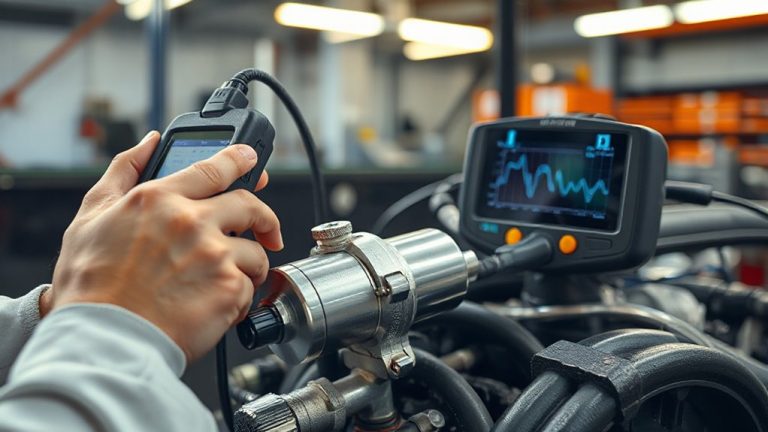
Although you might think coolant only regulates engine temperature, its chemical stability is what really protects your radiator when temperatures drop. Over time, old coolant loses its pH balance, typically falling below the safe range of 8.5 to 10.5. This acidic shift accelerates corrosion buildup inside aluminum and copper radiator cores. Corrosion byproducts clog narrow coolant passages, reducing flow efficiency by up to 40%. Restricted circulation creates hot spots, increasing internal pressure and thermal stress. Continuous exposure to elevated temperatures and uneven cooling promotes material fatigue in radiator seams and tanks. Microfractures form, especially at solder joints, where metal thickness is minimal-often less than 0.03 inches. These weakened points are vulnerable when freezing occurs. Even a partial freeze generates 2,000 psi of expansion force, exceeding aluminum’s tensile strength. Cracks develop rapidly, leading to coolant leaks and system failure. A reliable cooling system tester helps detect pressure loss and weak points before winter’s freeze amplifies existing flaws.
When to Flush Your Coolant for Winter
You need to flush your coolant before winter sets in, especially if you’ve seen overheating issues or haven’t serviced the system in over two years. Coolant age directly impacts antifreeze effectiveness. Most manufacturers recommend coolant replacement every 30,000 to 60,000 miles, depending on formulation. Older coolant loses corrosion inhibitors and buffer agents, increasing freeze risk. Fresh 50/50 ethylene glycol mixtures protect down to -34°F (-37°C). Degraded coolant can freeze at higher temperatures, expanding and stressing engine components. Check your vehicle’s service manual for specific intervals. Delaying service increases the chance of internal rust and blockages. If your coolant is over two years old, or you’re unsure of its history, act now. Preventative flushing reduces freeze risk and supports ideal thermal transfer. Don’t wait for cold snaps-schedule the service while temperatures remain above freezing for safer handling.
How to Flush Your Coolant System Safely
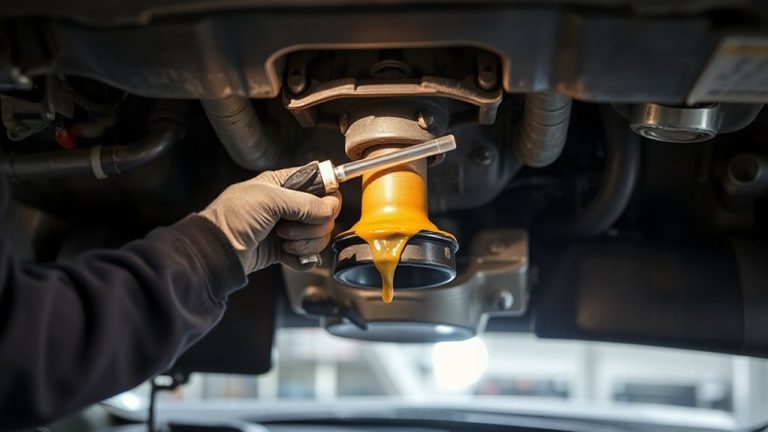
When preparing to flush your coolant system, safety comes first-always let the engine cool completely before starting, since opening a hot cooling system can cause dangerous steam burns or coolant spray. Wear gloves and safety goggles for proper coolant safety. Locate the radiator and engine drain plugs; remove both to allow old fluid to exit fully. Most systems hold 6–12 quarts, depending on the vehicle. Use distilled water to refill and run the engine briefly, then drain again to guarantee residue removal. Repeat until the流出水 runs clear. Perform a thorough system inspection: check hoses for cracks, clamps for tightness, and the radiator for leaks. Inspect the overflow tank and cap pressure rating-typically 15–18 psi for standard systems. Confirm all components seal properly before refilling with fresh coolant. Never mix coolant types, as chemical incompatibility can cause sludge. Using the correct best coolant for your vehicle ensures optimal protection against freezing and corrosion.
Best Coolant Mix to Prevent Freezing After a Flush
What’s the right mix to keep your engine from freezing when temperatures plummet? A 50/50 coolant ratio of antifreeze to distilled water is ideal for most climates. This balance delivers freeze protection down to -34°F (-37°C) and boil-over protection up to 265°F (129°C). The antifreeze concentration must be precise-too little risks freezing; too much reduces heat transfer efficiency. Use a refractometer or coolant test strip to verify the mix. Ethylene glycol-based coolants are common, but confirm compatibility with your vehicle’s materials. Some manufacturers recommend a 60% antifreeze concentration in extreme cold, but exceeding 70% diminishes performance. Always follow your owner’s manual for exact specifications. A properly mixed coolant safeguards your engine after a flush. Avoid tap water-it introduces minerals that promote corrosion. Stick to the recommended coolant ratio for reliability.
How Cold Weather Damages Radiators Without Proper Coolant
If temperatures drop too low without proper coolant, the liquid in your radiator can freeze and expand, causing severe damage. Water expands by approximately 9% when it freezes, generating thousands of pounds per square inch of pressure-enough to crack aluminum or cast iron radiator cores. Coolant phase separation occurs when inadequate mix ratios cause water and antifreeze to separate, leaving water to freeze while antifreeze concentrates in pools. This imbalance reduces overall freeze protection, increasing vulnerability. Repeated freeze-thaw cycles accelerate radiator material fatigue, weakening structural integrity over time. Microfractures develop at stress points, especially in solder joints and end tanks. Most manufacturers specify a 50/50 ethylene glycol and water mix, protecting down to -34°F (-37°C). Failure to maintain this balance risks catastrophic failure. Preventive flushing and correct refilling mitigate these risks. Using a reliable radiator leak stopper can provide an added layer of protection against existing or developing cracks.
On a final note
You must flush old coolant before winter to prevent radiator damage. Coolant degrades over time, losing its ability to depress the freezing point. Modern ethylene glycol mixes maintain fluidity to -34°C (-30°F) at a 50/50 ratio. Without proper inhibition, water expands 9% upon freezing, generating over 2,000 psi-enough to crack aluminum radiators. Flushing removes corrosive acids and sediment. A fresh 50/50 mix with correct additive levels guarantees maximum heat transfer and freeze protection.