How to Determine the Optimal Oil Change Interval for Your Vehicle’s Engine Longevity
Check your owner’s manual first-it specifies the right oil viscosity and intervals based on your engine and driving conditions. Normal use allows changes every 7,500 to 10,000 miles; severe conditions shorten that to 3,000 to 5,000 miles. Synthetic oil lasts longer-up to 15,000 miles-thanks to superior viscosity stability. Short trips, towing, or extreme temps increase wear and demand more frequent changes. Even if you drive little, change oil every 12 months-additives degrade and moisture builds up. Your car’s oil monitor helps by tracking real-time engine data. There’s more to take into account for long-term engine health.
Notable Insights
- Consult your owner’s manual for manufacturer-recommended oil change intervals based on your vehicle’s make, model, and engine type.
- Choose oil type carefully-synthetic oil lasts longer (7,500–15,000 miles) than conventional (3,000–5,000 miles).
- Adjust intervals for harsh conditions like short trips, extreme temperatures, towing, or turbocharged engine use.
- Rely on your vehicle’s oil monitoring system for real-time, driving-based service alerts instead of fixed mileage schedules.
- Change oil at least once every 12 months, even with low mileage, to prevent additive breakdown and moisture buildup.
Check Your Owner’s Manual for Oil Change Advice
While every vehicle is different, your owner’s manual gives you the most accurate guidance on when to change your oil-tailored specifically to your make, model, and engine type. It specifies the correct oil viscosity, such as 5W-20 or 10W-30, required for peak performance. Using the wrong viscosity can increase engine wear and reduce fuel efficiency. The manual also outlines service intervals based on normal or severe driving conditions. Normal use typically allows for changes every 7,500 to 10,000 miles. Severe conditions-like frequent short trips, towing, or extreme temperatures-require changes as often as every 3,000 to 5,000 miles. Following these guidelines guarantees proper lubrication and heat dispersion. Oil breaks down over time, losing its ability to protect moving parts. Consistent adherence to recommended intervals reduces long-term engine wear and maintains peak performance.
Synthetic vs Conventional Oil: How It Affects Change Intervals
The choice between synthetic and conventional oil directly impacts how often you’ll need to change your engine oil-understanding the differences helps you maximize engine life and performance. Synthetic oil maintains stable oil viscosity under extreme temperatures, reducing engine wear over time. Conventional oil breaks down faster, requiring more frequent changes.
| Oil Type | Change Interval | Oil Viscosity Stability |
|---|---|---|
| Conventional | 3,000–5,000 miles | Low to moderate |
| Synthetic | 7,500–15,000 miles | High |
| High-Mileage | 5,000–7,500 miles | Moderate to high |
| Synthetic Blend | 5,000–7,500 miles | Moderate |
| Full Synthetic | 10,000–15,000 miles | Very high |
Synthetic oils resist thermal breakdown and retain viscosity better. This means fewer deposits and less engine wear. Always match oil type to manufacturer specs for ideal protection and extended change intervals.
Harsh Driving? You May Need More Frequent Oil Changes
Ever wonder why your oil turns gritty faster than expected? Harsh driving degrades oil quicker, demanding more frequent changes. Short trips under five miles prevent oil from reaching ideal temperature, leaving moisture and contaminants suspended. You face accelerated wear, especially in extreme temperatures. Below-zero conditions thicken oil, reducing flow; sustained heat above 230°F breaks down additives. Both extremes compromise lubrication. Frequent towing or hauling heavy loads increases engine stress, raising operating temperatures and oxidation rates. Turbocharged engines are especially vulnerable under these conditions. The added thermal and mechanical strain shortens oil life even with synthetic lubricants. Manufacturers define “severe” service as repetitive cold starts, mountainous terrain, or payloads over 1,000 lbs. Follow severe-service guidelines-typically oil changes every 3,000 miles or six months-to maintain engine integrity and protect internal components from premature wear.
Let Your Car Tell You When to Change Oil
Your car might already know when it needs an oil change-many modern vehicles do. An oil monitoring system tracks engine conditions in real time, adjusting recommendations based on your driving habits. These systems don’t rely on mileage alone; they analyze variables like engine temperature, rpm, and idle time. For example, frequent short trips or stop-and-go traffic increase engine stress, prompting earlier oil changes. Conversely, consistent highway driving may extend intervals. The oil monitoring algorithm uses sensor data to calculate fluid degradation, guaranteeing accuracy. Most manufacturers design these systems to protect engine longevity under real-world conditions. You’ll see a dashboard alert when service is due-typically between 5,000 and 10,000 miles. Ignoring the system reduces its effectiveness. Trust it, but guarantee sensors and software are functioning. This data-driven approach outperforms generic schedules, adapting precisely to how and where you drive.
Don’t Ignore Time: Why Months Matter Too
Even if you don’t drive much, time still degrades your oil. Chemical additives break down after 6 to 12 months, regardless of mileage. This degradation reduces oil viscosity, impairing its ability to lubricate effectively. When oil viscosity drops below ideal levels, metal components in your engine receive less protection. Over time, this increases engine wear, especially during cold starts. Moisture can also accumulate, promoting sludge formation and corrosion. Synthetic oils last longer than conventional oils but still expire. Most manufacturers recommend changing oil every 12 months, even with low usage. Extended oil life beyond this window risks component damage. Maintaining proper oil viscosity guarantees consistent flow and film strength under operating temperatures. You might not log many miles, but engine wear doesn’t pause. Time-based oil changes preserve long-term reliability. Stick to the calendar-it protects your engine as much as the odometer does.
Watch for These Signs Your Oil Needs Changing
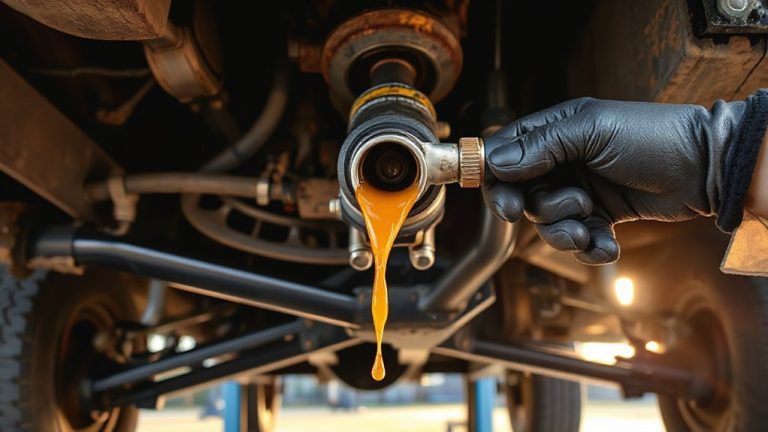
While mileage and time are reliable indicators for oil changes, certain warning signs can signal the need for service sooner. Check your dipstick regularly. If the oil appears in a dark color-thick and almost black-it’s lost its viscosity and lubricating efficiency. Fresh motor oil is typically amber and translucent; as it degrades, it collects contaminants and oxidizes, reducing its thermal stability. You might also notice odd smells under the hood or inside the cabin. A burnt or acidic odor often means oil is overheating or leaking onto hot engine components. Ignoring these cues can increase wear on internal parts like camshafts and piston rings. Reduced engine performance, louder valve train noise, or warning lights may follow. These signs suggest immediate inspection. Dark color and odd smells are clear indicators your oil’s chemical breakdown has progressed too far for safe operation. Change it promptly to maintain protection.
Ask a Mechanic When Oil Change Rules Don’t Fit
When should you ignore the manufacturer’s oil change recommendation? You should reconsider when driving conditions exceed normal use-like towing, frequent short trips, or extreme temperatures. These stress your engine and accelerate oil degradation, increasing engine wear. Standard oil viscosity may not protect adequately under such loads. Thinner oils can lose film strength; thicker ones might not flow quickly at startup. A mechanic can analyze your oil’s condition and suggest a grade better suited to your driving. They might recommend synthetic oils with high viscosity indexes for stability. Ignoring these factors risks sludge buildup and reduced lubrication. When in doubt, consult a professional. They’ll assess your vehicle’s oil viscosity needs and actual engine wear, using tools like oil analysis reports. Adjusting intervals based on real-world data-not just mileage-protects your engine longer.
On a final note
Your owner’s manual provides the baseline oil change interval, typically 5,000 to 10,000 miles for synthetic oil. Short trips, towing, or extreme temperatures may require changes every 3,000 miles. Modern vehicles use oil life monitoring systems based on engine load, temperature, and RPM. Time matters-change oil at least once every 12 months, even with low mileage, to prevent moisture buildup and additive breakdown.