Proper PPE Selection for Different Automotive Repair Tasks
You need the right PPE for each auto repair task to stay protected. Use ANSI Z87.1-rated safety glasses or goggles with indirect vents when handling chemicals; polycarbonate lenses resist impacts up to 250 fps. Wear cut-resistant gloves (ANSI Level 4) for sharp edges and nitrile gloves for solvents. Use N95 or P100 filters for dust and organic vapor cartridges for paint fumes. Steel-toe boots must meet ASTM F2413-18, with EH-rated outsoles for electrical hazards. Choose hearing protection with NRR 25–30 dB for noise above 85 decibels. For overhead grinding, wear a 200-joule-rated face shield with a heat-resistant hood. Use OSHA-approved harnesses on lifts over 4 feet, with energy-absorbing lanyards. Proper gear selection minimizes risk across high-heat, high-impact, and high-exposure scenarios-and further guidance awaits.
Notable Insights
- Use polycarbonate face shields with chin coverage and heat-resistant hoods for overhead welding or grinding tasks.
- Wear ANSI Z87.1-certified safety glasses or goggles with indirect ventilation when exposed to impact or chemical splash hazards.
- Select ANSI Cut Level 4 gloves for sharp tools, nitrile for oils and solvents, and heat-resistant materials for high-temperature environments.
- Choose respirators based on hazard: N95 for dust, organic vapor cartridges for paint, and full-face with vapor cartridges for solvents.
- Wear ASTM F2413-18-compliant steel-toe boots and hearing protection with appropriate NRR ratings when noise exceeds 85 decibels.
Match PPE to Common Auto Repair Tasks
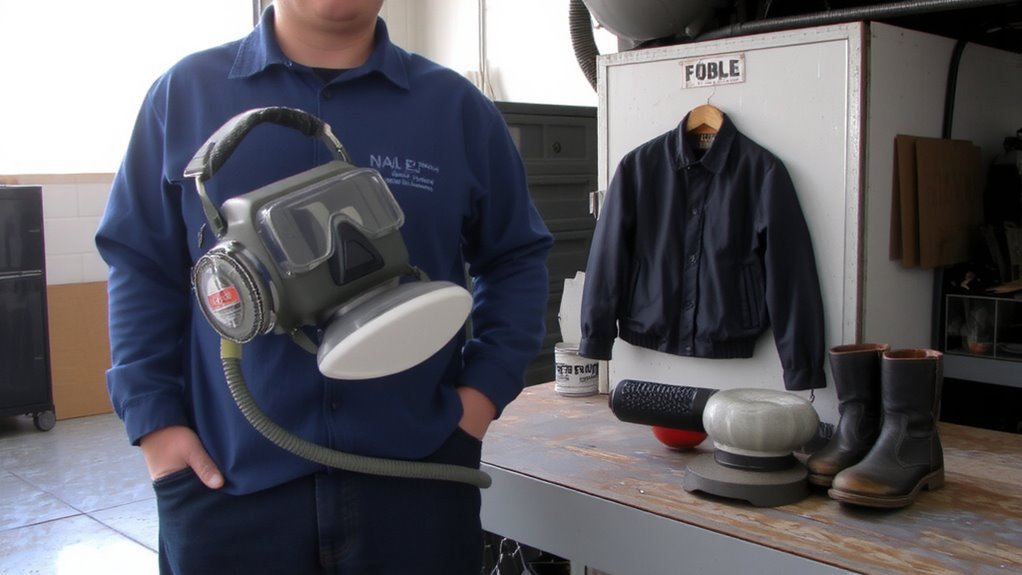
When tackling automotive repairs, selecting the right personal protective equipment (PPE) depends entirely on the specific task at hand. For overhead welding or grinding, you need face shields made from polycarbonate, rated to withstand impacts up to 200 joules. These shields must extend below the chin and pair with heat-resistant hoods. When working beneath vehicles lifted on lifts, safety harnesses are mandatory if the lift exceeds 4 feet in height. OSHA-approved harnesses feature 5,000-pound tensile strength D-rings and quick-connect buckles. They must meet ANSI Z359.11 standards and include energy-absorbing lanyards. For undercarriage engine work, combine harnesses with non-slip fall arrest systems. Face shields protect against molten metal and flying fragments during cutting operations. Each PPE component must match the hazard’s force, temperature, and exposure duration. Never substitute safety glasses for face shields in high-impact zones.
Eye Protection for Debris and Chemical Splashes
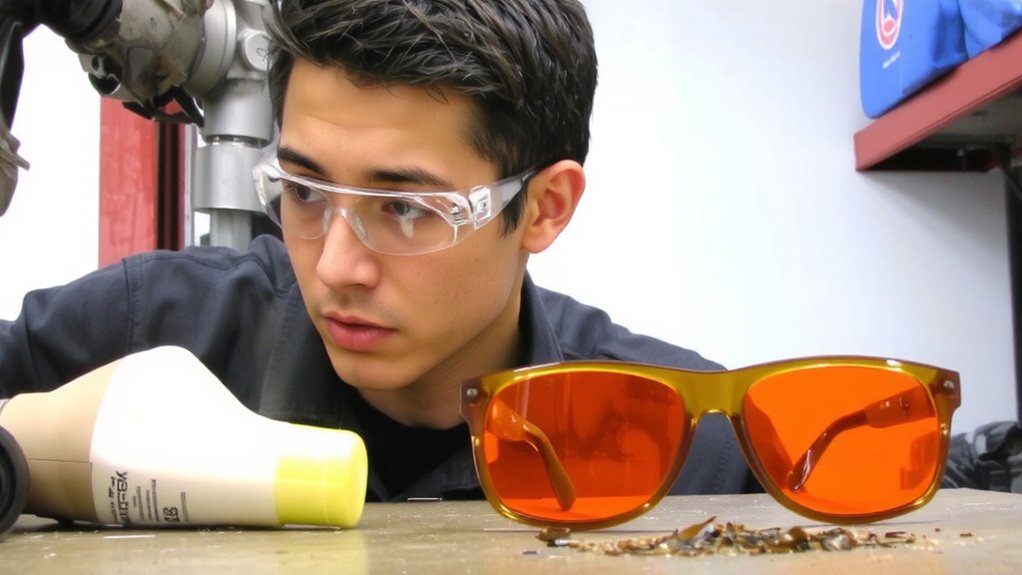
Shrapnel and splashes don’t warn you before they strike-your eyewear does the talking. You need safety glasses or goggles that meet ANSI Z87.1 standards for both impact testing and splash resistance. These ratings mean the lenses withstand high-velocity impacts from particles traveling up to 250 feet per second. Polycarbonate lenses offer built-in UV protection and resist cracking under stress. For splash resistance, goggles with indirect ventilation prevent chemicals from seeping in during battery handling or solvent use. Direct vents let debris enter-avoid them in high-risk tasks. Wraparound designs seal gaps, protecting side vision. Frames should fit snugly without pinching, ensuring consistent wear. Check for the “Z87+” mark-this confirms compliance with rigorous impact testing. Never substitute fashion glasses for certified eyewear. In auto repair, stray metal fragments and caustic fluids move fast. Your eyes rely on precision-engineered barriers. Wear proper protection every time-because one breach is all it takes.
Gloves for Chemicals, Heat, and Sharp Edges
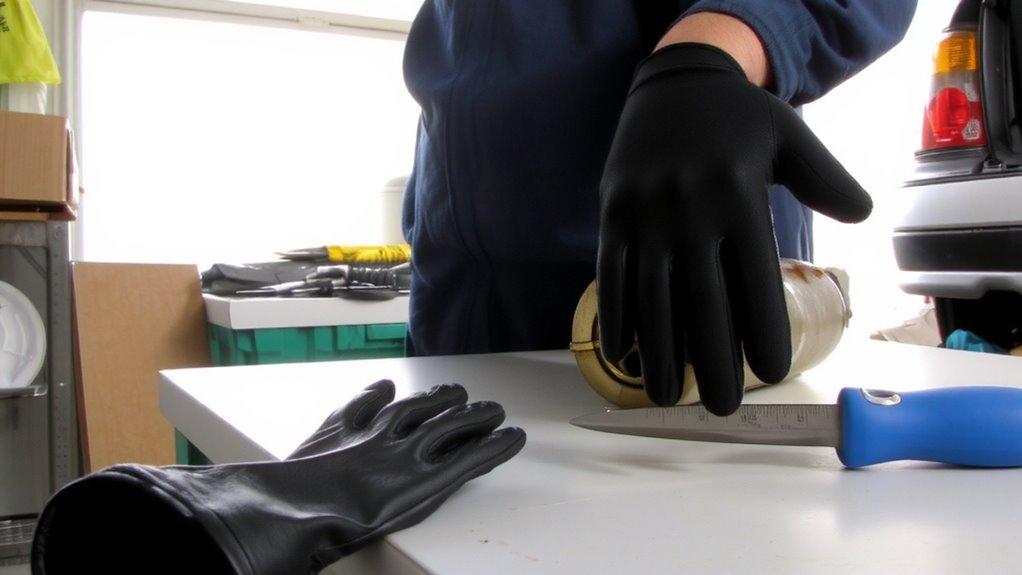
Though your hands face multiple hazards in automotive repair, the right gloves turn risk into reliable defense. For sharp edges, choose gloves with high cut resistance-look for ANSI Cut Level 4 or higher, which withstands up to 5,000 grams of force. These gloves often use materials like Kevlar or high-performance polyethylene fibers. When dealing with chemicals, opt for nitrile or neoprene gloves to prevent chemical permeation. Nitrile resists oils, fuels, and solvents, with breakthrough times exceeding 180 minutes for many substances. Heat-resistant gloves made from silicone-coated or aluminized materials protect up to 500°F. Always inspect gloves before use-any tear compromises protection. Combine materials as needed: liner gloves for dexterity, outer gloves for durability. Never reuse disposable gloves exposed to harsh chemicals. Matching glove specs to your task guarantees safety without sacrificing function.
Respiratory Protection for Fumes and Dust
Fumes, dust, and airborne contaminants pose serious risks during automotive repair. You need proper respiratory protection to avoid inhaling harmful particles and vapors. Selecting the right respirator types depends on the hazard. For solvent fumes, use a half-face respirator with organic vapor cartridges. These cartridges absorb toxic vapors from paint, adhesives, and cleaning agents. For dust from sanding or grinding, use P100 filters. Always guarantee a tight seal and perform a fit check each time.
| Hazard Type | Recommended Respirator | Cartridge/Filter |
|---|---|---|
| Paint fumes | Half-face respirator | Organic vapor cartridges |
| Brake dust | N95 mask or P100 | P100 particulate filter |
| Sanding debris | Disposable respirator | N95 filter |
| Solvent vapors | Full-face respirator | Dual vapor cartridges |
Steel-Toe Boots: Protection From Drops and Heat
While working under the hood or crawling around a vehicle’s undercarriage, you’re constantly at risk of heavy tools or parts falling unexpectedly. Steel-toe boots protect your feet by withstanding impacts up to 2,000 pounds per square inch, meeting ASTM F2413-18 safety standards. They also guard against compression injuries from vehicle lifts or jacks. The reinforced toe cap deflects heat, offering protection in environments exceeding 300°F near exhaust systems. Slip resistance is critical on oily or wet shop floors-choose soles with ASTM-rated EH (electrical hazard) protection, which insulate up to 18,000 volts in dry conditions. These boots reduce shock risk when working on live electrical systems or hybrid vehicles. The outsoles, often made of oil-resistant rubber, give grip on inclined surfaces. Proper fit guarantees long-term support during extended shifts. Always inspect for cracks or worn treads to maintain safety and compliance.
Hearing Protection for Prolonged Noise Exposure
You’re already protecting your feet with steel-toe boots designed to handle heavy impacts and extreme heat, but your hearing also demands reliable defense in a noisy shop environment. Prolonged exposure to sounds above 85 decibels can permanently alter your hearing thresholds. A proper noise assessment of your workspace helps identify hazardous sound levels from tools like grinders, impact wrenches, or engine testing. Use noise-canceling earmuffs with a Noise Reduction Rating (NRR) of 25–30 dB or insert earplugs made of memory foam for a snug fit. Dual protection-earplugs and muffs together-should be used when noise exceeds 100 dB. These devices must be correctly fitted to maintain effectiveness. Regular hearing tests help monitor changes. Consistent use of hearing protection guarantees long-term auditory health, maintaining your hearing thresholds within safe limits-just as safety gear protects your body.
On a final note
You must match your PPE to the specific hazards of each auto repair task. Safety glasses with ANSI Z87.1-rated polycarbonate lenses block flying debris and chemical splashes. Nitrile gloves resist oils and solvents; use heat-resistant gloves near exhaust systems. Wear NIOSH-approved N95 respirators for dust or organic vapor cartridges for solvent fumes. Steel-toe boots with ASTM F2413-18 certification support feet and resist impact. Use earplugs or muffs rated NRR 25+ for prolonged exposure to noise above 85 dB.