Vehicle Storage Documentation: Title, Appraisal & Records Checklist
You need clear records to protect your vehicle during long-term storage. Start with the title, lien details, and a matching photo ID for ownership verification. Document the VIN, odometer, trim, and mechanical condition in a professional appraisal. Take high-resolution, time-stamped photos of all sides, interior surfaces, and the license plate. Record fluid levels using manufacturer tools, noting viscosity and batch numbers. Store these records in both fireproof physical binders and encrypted digital vaults. Include storage address, unit number, temperature, humidity, and security measures like cameras or alarms. Confirm monthly condition checks and maintain active or properly suspended registration per state law. Update insurance to full coverage with storage endorsements. Missing even one detail-like unlogged oil contamination-could void claims or delay resale. You’ll find every overlooked step carries real-world consequences.
Notable Insights
- Verify ownership with a valid title, matching photo ID, and lien information before storing a vehicle long-term.
- Obtain a current vehicle appraisal documenting VIN, mileage, trim, and mechanical condition to establish fair market value.
- Capture time-stamped, high-resolution photos of all exterior and interior surfaces, including odometer and VIN, for condition verification.
- Record fluid levels, engine performance, and diagnostic codes using manufacturer-specified tools before storage begins.
- Maintain detailed storage records including environment data, security measures, insurance, and monthly condition checks.
Why Documentation Matters for Stored Vehicles
While storing a vehicle may seem like a straightforward process, neglecting proper documentation can lead to serious complications down the road. You need ownership proof to reclaim the vehicle legally and avoid title disputes. Without it, repossession or resale becomes impossible. Current registration and a valid title are essential. Vehicle history reports verify maintenance, accidents, and usage-critical for insurance or resale value. These records include VIN-specific data, service logs, and emission test results. Storage facilities may require proof of insurance and identification matching the registered owner. Digital copies aren’t always accepted; original or notarized documents are often mandatory. Proper documentation guarantees compliance with DMV and lienholder requirements. It also prevents fraud and theft claims. Think of paperwork as the backbone of vehicle stewardship-silent but structural. Without it, even a stored car loses legal standing.
Gather These Vehicle Storage Documents Now
Start by gathering the essential documents you’ll need before placing your vehicle into long-term storage. You must have valid ownership verification, including the title or lien information, to prove legal possession. Without it, retrieval or insurance claims may be delayed. Include a copy of your photo ID matching the registered owner. Obtain a current vehicle appraisal from a certified appraiser or use dealer invoice and market data to establish fair market value. This appraisal supports insurance claims and deters disputes over depreciation. Store these documents in a secure, fireproof location or encrypted digital vault. The appraisal should include VIN, odometer reading, trim level, and documented mechanical condition. Accuracy guarantees compliance with storage facility requirements and insurer expectations. Missing paperwork can invalidate coverage or trigger legal challenges. Be thorough-your vehicle’s protection depends on it.
Take Photos of Your Vehicle Before Storage
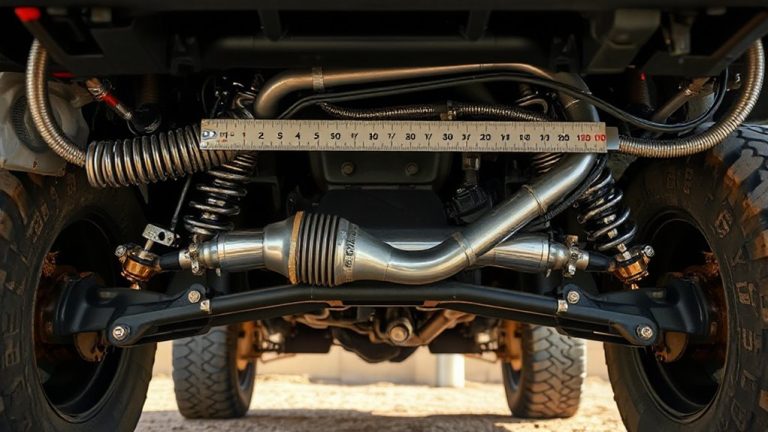
Before you seal your vehicle away, capturing a thorough photo record guarantees you have objective evidence of its condition at storage onset. Documenting vehicle condition in high resolution secures disputes over pre-existing damage are avoided upon retrieval. Take photos from all four sides, capturing close-ups of paint, trim, tires, and existing imperfections. Include time-stamped images with visible license plates or VINs to align visuals with the storage timeline. Use consistent lighting and a grid reference-such as floor markings or a measuring tape-to secure scale accuracy. Capture interior surfaces, odometer readings, and electronic settings. Store digital copies in cloud-based folders labeled with the start date of storage. These images serve as forensic benchmarks. Over extended storage, environmental exposure or handling could alter vehicle condition. Your photo record provides irrefutable baseline data. This step is non-negotiable for insurance, resale, or restoration accountability.
Record Pre-Storage Maintenance Details
You’ve photographed every angle of your vehicle, logged the timestamps, and secured digital copies with metadata intact-now shift focus to the mechanical and fluid systems beneath the surface. Record the engine condition thoroughly, noting mileage, recent repairs, and any existing wear. Document cold-start performance, idle stability, and diagnostic trouble codes cleared or stored. Fluid levels must be verified and logged at the time of storage prep. Check engine oil, transmission, coolant, brake, and power steering fluids; confirm each is at recommended levels and free of contamination. Use manufacturer-specified dipsticks or indicators for accuracy. For example, engine oil should sit between “min” and “max” marks, amber in color, not milky or sludgy. Log batch numbers and viscosity grades used. This mechanical snapshot enables faster diagnosis and safer reactivation. Accurate data today prevents costly errors tomorrow.
Document Where and How Your Vehicle Is Stored
Storage location and conditions directly influence your vehicle’s long-term integrity. You must document the exact storage location, including address and unit number if applicable. This guarantees accountability and simplifies retrieval. Note environmental factors like humidity levels, temperature ranges, and ventilation-ideal conditions are 30–50% humidity and stable temperatures. Detailing security measures is equally critical. Use surveillance, alarm systems, or on-site personnel to prevent theft or vandalism. Below is a reference table summarizing key storage documentation elements:
| Factor | Documentation Required |
|---|---|
| Storage location | Full address, unit, or locker |
| Security measures | Cameras, locks, patrol logs |
| Environmental controls | Humidity, temperature logs |
You should verify these conditions monthly. Accurate records protect your investment and support insurance claims.
Update Insurance and Registration for Long-Term Storage
While your vehicle sits idle, its legal and financial protections must remain active and current. You need to make insurance adjustments to reflect long-term storage, such as switching to full coverage-only coverage, which excludes liability but protects against theft, vandalism, and natural damage. This reduces costs while maintaining essential protection. Confirm with your provider that stored vehicle policies comply with state regulations. Registration updates are equally important-ensure your vehicle’s registration remains active or is placed in suspended status if allowed by your state. Some states, like California and New York, permit registration suspension for up to 12 months. Failure to file these updates risks fines and lapses in legal compliance. Always document the date, method, and confirmation numbers for all filings. Keep copies of updated insurance declarations and registration receipts. These records verify compliance during ownership shifts or inspections.
Keep Your Storage Records Organized and Accessible
If you want to guarantee a smooth return to service, maintaining organized and accessible storage records is essential. Keep your storage inventory updated with make, model, VIN, fluid levels, tire pressure, and preservation methods used. Track all maintenance and inspections in chronological order. Use digital folders or cloud storage to back up documents and enable remote access. Regularly review access logs to monitor who viewed or modified records-this guarantees data integrity. Store physical copies in a labeled binder, secured from moisture and extreme temperatures. Consider using password-protected PDFs with timestamps for added security.
| Record Type | Recommended Format |
|---|---|
| Storage inventory | Excel or Google Sheets |
| Maintenance logs | PDF with timestamps |
| Access logs | Secure digital file |
| Inspection reports | Dated and signed copies |
| Fluid/tire data | Tabulated measurements |
On a final note
You protect your vehicle’s value and guarantee compliance by maintaining precise storage records. Document VIN, storage dates, and environmental controls like humidity (ideally below 50%) and temperature stability. Log tire pressure (maintain at manufacturer specs), battery voltage checks, and fluid levels. Store records digitally and physically. Accurate logs support insurance claims, resale, and maintenance timelines-functioning like a medical record for your vehicle’s health during dormancy.