The Role of pH Levels in Cleaning Products During Automotive Finishing Processes
Your car’s finish stays protected only when cleaners stay between pH 6.5 and 8.5. Acidic products below pH 5.0 etch paint; alkaline ones above pH 9.0 strip protective layers. Clear coats, just 2–3 mils thick, lose 1–2 mils during restoration. Neutral pH prevents urethane hydrolysis and preserves gloss. Always match cleaner pH to surface type-alkaline for grease, neutral for final wipe-down. Residue outside pH 6.5–7.5 risks adhesion failure. You’ll see how each step prevents costly damage.
Notable Insights
- pH levels in cleaners affect automotive finishes, with extremes causing irreversible damage to clear coats.
- Alkaline cleaners (pH 9.5–11.5) remove grease via saponification but can etch paint if misused.
- Acidic cleaners below pH 5.0 risk permanent etching and hazing on painted surfaces.
- Neutral pH (6.5–7.5) preserves clear coat integrity and prevents degradation of urethane bonds.
- Proper pH sequencing-alkaline wash followed by neutral rinse-ensures residue-free, adhesion-ready surfaces.
Why Wrong pH Ruins Auto Finishes
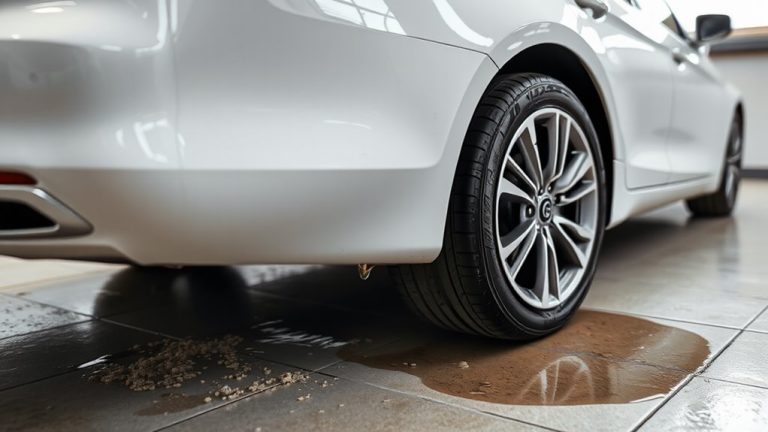
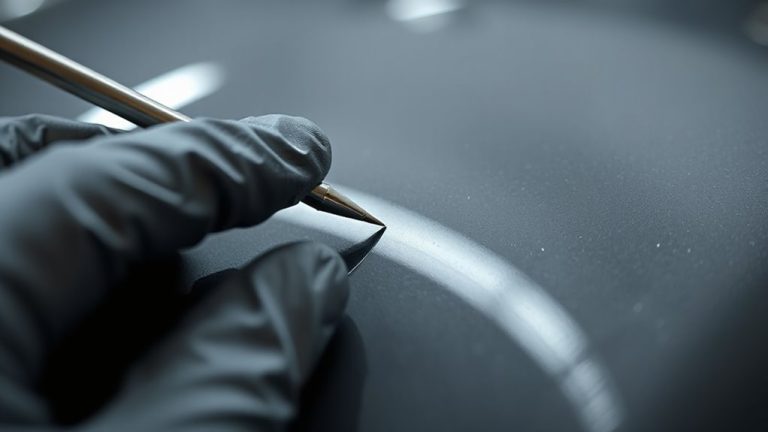
While you might think all cleaners work the same on your vehicle’s surface, using one with the wrong pH can do serious, lasting damage. A pH imbalance-even outside the safe range of 6.5 to 8.5-compromises your finish. Acidic cleaners (pH under 6) eat away at clear coats; alkaline ones (pH over 9) strip protective layers. Both cause surface etching, appearing as fine webbing or dull spots under light. Modern clear coats, usually polyurethane-based, degrade when exposed to pH extremes. Surface etching isn’t reversible. Restoration requires compounding, possibly removing 1–2 mils of clear coat-cutting into its 2–3 mil thickness. Repeated etching shortens lifespan. OEMs specify neutral-pH washes for this reason. For example, a pH 10 cleaner used weekly can reduce clear coat durability by 40% over six months. Stick to pH-balanced products. They preserve gloss, integrity, and warranty validity. Don’t risk permanent damage for a quick clean.
How Alkaline Cleaners Cut Through Grease Safely
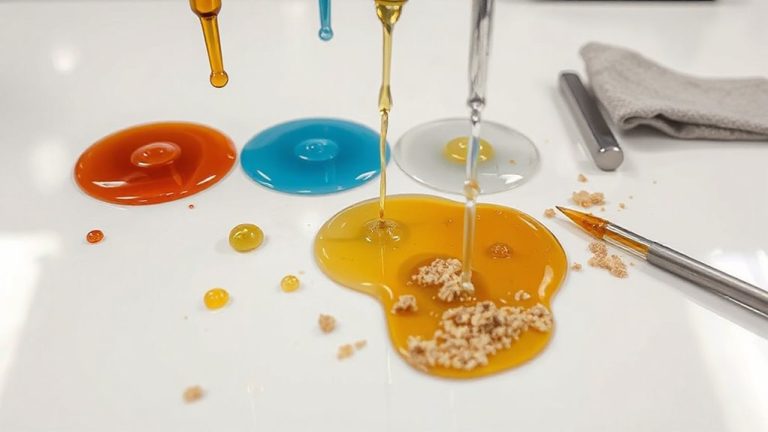
An alkaline cleaner works by breaking down grease and oils through saponification, a chemical reaction that converts fats into soap and glycerol. You’ll find these cleaners effective because they transform stubborn grease into water-soluble compounds. The emulsification efficiency of alkaline solutions allows oils to disperse evenly in water, preventing redeposit on surfaces. This guarantees grime doesn’t stick back to the car’s body during cleaning. Foam stability plays a critical role-long-lasting foam clings to vertical panels, prolonging contact time. Most automotive alkaline cleaners operate at a pH between 9.5 and 11.5, strong enough to cut through grime but not damage substrates. You should select formulations with surfactants that boost both emulsification efficiency and foam stability. These properties work together to lift contaminants safely. You’ll achieve consistent results without aggressive scrubbing. Proper dilution maintains performance while reducing chemical waste.
Can Acidic Cleaners Damage Car Paint?
Acidic cleaners carry a real risk when it comes to car paint, and knowing the numbers helps you avoid costly damage. Exposure to low pH solutions can trigger acid corrosion, especially below pH 4.0. You risk permanent paint etching if acidic residues remain on the surface. These reactions compromise the integrity of the clear coat and base layers. Even brief contact with strong acid-based cleaners-like those used for wheel or metal restoration-can initiate degradation.
| Consequence | Emotional Impact |
|---|---|
| Hazy finish | Frustration |
| Visible etching | Disappointment |
| Permanent damage | Regret |
| Costly repaint | Financial stress |
Always check product pH before applying. Most automotive professionals recommend avoiding cleaners below pH 5.0 on painted surfaces. You’re better off choosing purpose-formulated, paint-safe solutions to prevent unseen chemical attack.
Why Neutral pH Protects Clear Coats
Neutral pH cleaners safeguard your vehicle’s clear coat by matching the chemical balance that modern automotive finishes are designed to withstand. A neutral pH balance-typically between 6.5 and 7.5-prevents hydrolysis of urethane bonds in clear coat layers, preserving their structural integrity. Unlike acidic or alkaline cleaners, neutral formulations won’t strip protective waxes or degrade polymer cross-linking. Maintaining surface integrity is critical during cleaning, as extreme pH levels can cause micro-cracking and hazing over time. These microscopic defects scatter light, reducing gloss retention by up to 15% after just ten washes with aggressive products. Neutral cleaners also minimize ionic exchange on the paint surface, preventing surfactant residue buildup that interferes with adhesion during refinishing. They’re safe for repeated use on OEM finishes, which are engineered to resist environmental exposure within this pH range. Using a neutral cleaner guarantees compatibility without sacrificing cleaning efficiency.
Match Cleaner pH to Each Prep Stage
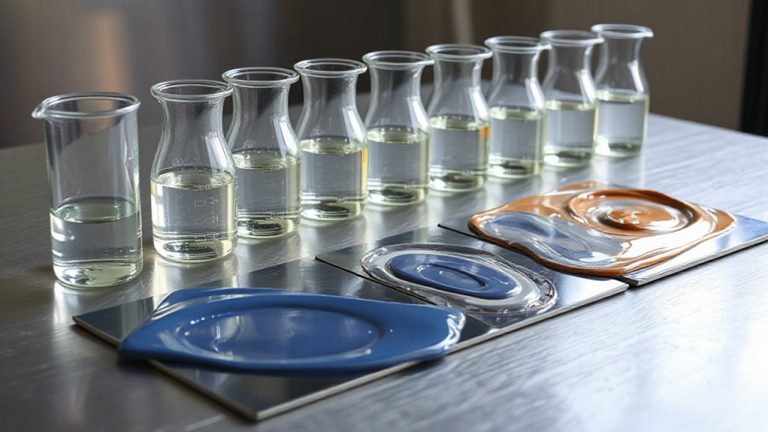
When preparing a vehicle’s surface for refinishing, matching the cleaner’s pH to each stage guarantees maximum adhesion and finish longevity. Start with a pH 10–11 alkaline cleaner to cut through grease during initial wash stages-ideal for painted surfaces with high surface compatibility. Then, switch to a neutral pH 7 cleaner for final wipe-downs to preserve clear coats without compromising material sensitivity. For bare metal or aluminum substrates, use a mildly acidic pH 5–6 cleaner to inhibit oxidation while maintaining substrate integrity. Plastic and rubber trim require pH 6–8 formulations to prevent swelling or embrittlement. Always verify cleaner specifications against OEM guidelines. Using the wrong pH can etch surfaces or leave reactive residues. Precision in pH selection guarantees each material type is treated according to its chemical tolerance, improving overall finish quality and reducing rework.
How pH Residue Causes Paint Adhesion Failure
Even if you’ve sanded and cleaned the surface thoroughly, leftover pH residue can still sabotage your paint job. That invisible film creates surface contamination, blocking proper coating adhesion. High- or low-pH residues trigger chemical etching, weakening the metal or primer bond. Over time, this leads to peeling, blistering, or flaking paint-especially under thermal or moisture stress.
| pH Level | Residue Risk | Adhesion Impact |
|---|---|---|
| <4 | High (acidic etching) | Severe degradation |
| 4–8 | Low (neutral) | Minimal risk |
| >8 | High (alkaline lift) | Poor bonding |
You must neutralize surfaces after cleaning. Residual alkalinity above pH 8 lifts primer microscopically, while acidity below pH 4 causes chemical etching. Both forms of surface contamination compromise paint integrity. Always rinse with deionized water after using strong cleaners. Test the surface post-rinse: it should measure between pH 6.5 and 7.5 for ideal paint adhesion.
On a final note
You must match cleaner pH to each automotive finishing stage. Alkaline cleaners (pH 10–12) dissolve grease without harming metal substrates. Acidic solutions (pH 3–5) remove rust but risk paint etching. Neutral cleaners (pH 6.5–7.5) preserve clear coats and prevent adhesion failure. Residual pH imbalances disrupt paint bonding, causing delamination. Always verify neutrality post-wash with pH test strips (±0.2 accuracy) to guarantee maximum finish durability and surface readiness.