How to Safely Clean Brake Dust From Different Wheel Finishes
Identify your wheel’s finish before cleaning-bare aluminum, painted, powder-coated, or chrome-since improper products can damage surfaces or void warranties. Use a pH-neutral soap (pH 6.5–8.5) with soft-bristle brushes to safely dissolve brake dust without harming protective layers. Match cleaners to material: avoid acid on alloys, use chrome-safe formulas for plating, and choose non-abrasive, pH-balanced solutions for ceramic coatings. Rinse with low-pressure water to prevent residue. A silica-based sealant adds lasting protection. Next steps reveal how to apply these correctly.
Notable Insights
- Identify your wheel’s finish to choose compatible cleaners and prevent surface damage or warranty issues.
- Use pH-neutral soap with soft-bristle brushes to safely dissolve brake dust without harming wheel coatings.
- Match cleaners to wheel material: avoid acidic formulas on aluminum and use chrome-safe solutions for chrome finishes.
- Never use household cleaners or stiff brushes, as they can cause micro-scratches and accelerate corrosion.
- Apply a silica-based sealant after cleaning to create a protective, hydrophobic layer that prolongs wheel cleanliness.
Identify Your Wheel Finish First
Start by identifying your wheel’s finish, since using the wrong cleaner can damage the surface or void the warranty. Proper wheel identification is critical for selecting compatible cleaning products. Common finish types include bare metal, painted, powder-coated, and chrome-plated surfaces. Bare aluminum finishes expose the base metal and require non-acidic, non-caustic cleaners with a pH between 6.5 and 8.5. Painted finishes often use thermoset polymers and resist many solvents, but abrasive polishes can scratch them. Powder-coated wheels have a thicker, cross-linked resin layer measured at 75–125 microns, offering better chemical resistance. Chrome-plated wheels contain a 0.25 to 0.5-micron electroplated layer vulnerable to chloride-based cleaners. Always consult your manufacturer’s label or technical sheet. Misidentifying finish types leads to surface etching, discoloration, or coating delamination. Use magnification if needed to distinguish between similar-looking surfaces. For optimal results, choose a best auto wheel cleaner that matches your wheel’s specific finish and maintenance requirements.
Clean Brake Dust With pH-Neutral Soap
Once you’ve confirmed your wheel’s finish, the safest next step is using a pH-neutral soap to remove brake dust without risking surface damage. pH-neutral formulations maintain a pH balance close to 7, minimizing chemical reactivity with metal and clear coat surfaces. This enables gentle cleaning that dissolves brake dust-composed of iron, carbon, and heavy metals-without etching or stripping protective layers. Use a dedicated wheel soap with surfactants that lift particulates at a molecular level. Apply with a soft-bristle brush to avoid micro-scratches. Rinse thoroughly with low-pressure water to eliminate residue. Unlike acidic or alkaline cleaners, pH-neutral options preserve finish integrity over repeated use. They’re especially effective on anodized, painted, or chrome wheels, where maintaining chemical equilibrium prevents corrosion. This method supports long-term wheel health, avoiding premature wear caused by aggressive cleaning agents. Stick to verified pH-balanced products for predictable, safe results. For black wheels, which are prone to discoloration from harsh chemicals, choosing the right cleaner is crucial-consider a product specifically formulated for best wheel cleaners for black wheels.
Use the Right Cleaner for Your Wheel Type
Your wheel’s material dictates the cleaner you should use-choosing wrong risks corrosion, etching, or lost luster. For aluminum wheels, use a pH-neutral or mild acidic formula (pH 2.5–3.5) to dissolve brake dust residue without stripping protective clear coats. Alloy wheels need non-acidic cleaners to prevent pitting. Chrome finishes require chrome-safe solutions; harsh chemicals cause hazing and diminish wheel shine. Specialty ceramic-coated wheels need non-abrasive, pH-balanced (pH 6–8) cleaners to preserve hydrophobic layers. Avoid chloride- or acid-based products on any finish-they accelerate oxidation. Apply cleaner with a soft-bristle brush to lift embedded dust residue without micro-scratching. Rinse thoroughly with low-pressure water (under 1,200 PSI) to avoid forcing contaminants into barrel areas. Proper selection maintains finish integrity and extends time between cleanings. Wheel shine isn’t just cosmetic-it’s evidence of correct chemistry protecting against long-term degradation. For related concerns like cooling system maintenance, consider using a water pump stop leak product to prevent overheating that could affect wheel and brake performance.
Avoid These Common Cleaning Mistakes
A surprising number of wheel damage cases stem from using household cleaners like glass or degreaser products, which are far too aggressive for automotive finishes. These often contain acidic cleaners that eat away at clear coats and anodized layers, especially on aluminum and alloy wheels. Never use them. Instead, opt for pH-balanced wheel cleaners rated safe for your specific finish. Harsh scrubbing with stiff brushes or steel wool damages protective surfaces and increases susceptibility to corrosion. Use only soft-bristle brushes or microfiber pads. Metal fibers from improper tools can embed and cause pitting. Even brief exposure to acidic cleaners can etch surfaces at a microscopic level, reducing reflectivity and structural integrity over time. Always follow dwell-time instructions-typically 1–2 minutes-and rinse thoroughly with low-pressure water to prevent chemical residue. Prevention starts with proper product selection and technique.
Seal Your Wheels to Prevent Future Buildup
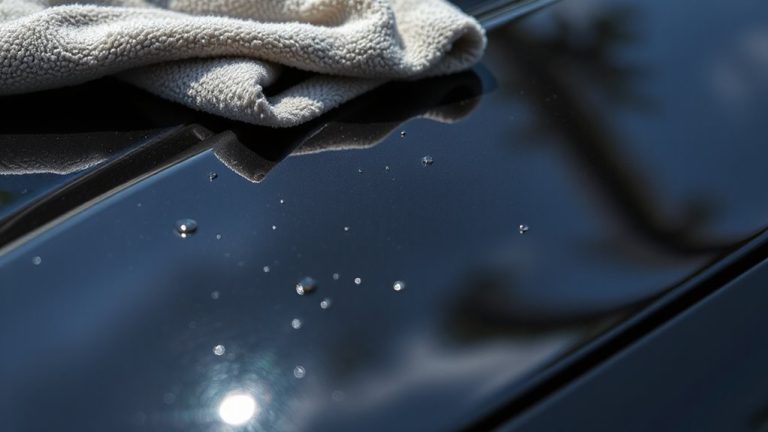
Sealing your wheels creates a sacrificial barrier that repels brake dust and prevents corrosion. This wheel protection layer reduces cleaning frequency and safeguards the finish. Most quality sealants use silica-based polymers, forming a hydrophobic coating that bonds at the molecular level. A properly applied sealant lasts 3–6 months under normal driving conditions. The coating thickness averages 1–2 microns, enough to fill microscopic pores in the wheel surface. As a dust repellent, it minimizes particulate adhesion, making contaminants easier to rinse away. Unlike wax, which sits on top, sealants cure into a durable, non-yellowing film resistant to pH shifts from brake dust. Application requires a clean, dry surface-apply with a microfiber applicator, wait 2–3 minutes, then buff lightly. Reapplication is needed when water no longer beads. This maintenance step preserves both appearance and structural integrity.
On a final note
Always identify your wheel’s finish before cleaning-aluminum, chrome, painted, and anodized surfaces react differently to chemicals. Use only pH-neutral soaps (pH 6.5–7.5) to prevent etching or discoloration. Apply cleaners with non-abrasive microfiber towels to avoid micro-scratches. Never use household degreasers; their high alkalinity degrades protective clear coats. For lasting protection, apply a ceramic sealant with >9H hardness rating, which reduces brake dust adhesion by up to 70%.