Using Nano-Ceramic Sealants on Chrome Wheels to Resist Brake Dust and Salt
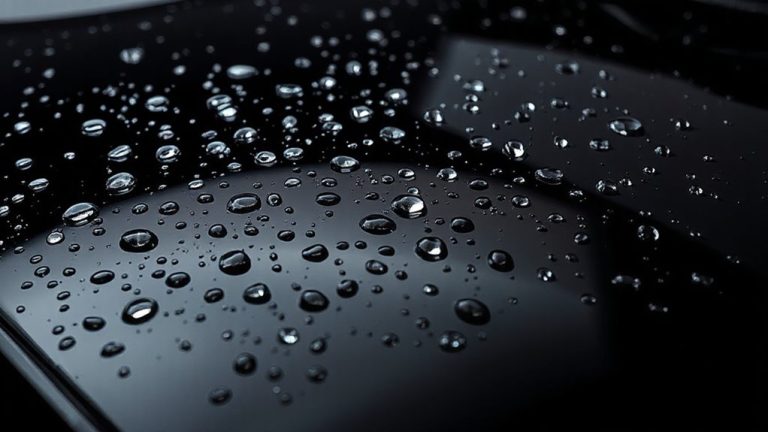
You protect your chrome wheels with nano-ceramic sealants that form a transparent, cross-linked silica layer bonding at the molecular level. This coating delivers 9H pencil hardness, resisting abrasion from brake dust and road salt. It creates a hydrophobic surface, causing water and grime to bead and roll off. With a thickness of 0.5–2 microns, it seals micro-abrasions, blocking oxidant penetration. Lasting 2–5 years, it maintains a contact angle above 90° when properly maintained. Performance peaks after full cure in seven days.
Notable Insights
- Nano-ceramic sealants form a durable, hydrophobic silica layer that repels brake dust and road salt.
- The coating bonds at a microscopic level, filling pores to block moisture and corrosive agents.
- With 9H hardness, ceramic coatings resist scratches and maintain gloss under harsh conditions.
- Hydrophobic properties cause water and grime to bead and roll off, reducing residue buildup.
- Properly maintained, the coating lasts 2–5 years, providing long-term protection with minimal upkeep.
Why Chrome Wheels Need Ceramic Coating
Protection. Your chrome wheels face relentless environmental threats that compromise both appearance and structural integrity. Chrome oxidation occurs when moisture and corrosive agents penetrate micro-abrasions, initiating metal degradation beneath the plating. Without defense, this process accelerates, leading to pitting and loss of reflectivity. Wheel fading follows as UV exposure breaks down unprotected chrome layers, diminishing luster and uniformity. Nano-ceramic sealants form a transparent, cross-linked silica shield over the wheel surface. This coating resists pH fluctuations from road contaminants and delivers 9H hardness on the pencil scale, surpassing standard wax durability. Measuring 0.5 to 2 microns thick, the layer fills microscopic pores, blocking oxidant ingress. It maintains optical clarity while reducing surface energy, making contaminants less adhesive. You’re not just preserving shine-you’re preventing electrochemical decay at the molecular level.
How Ceramic Coating Repels Brake Dust and Salt
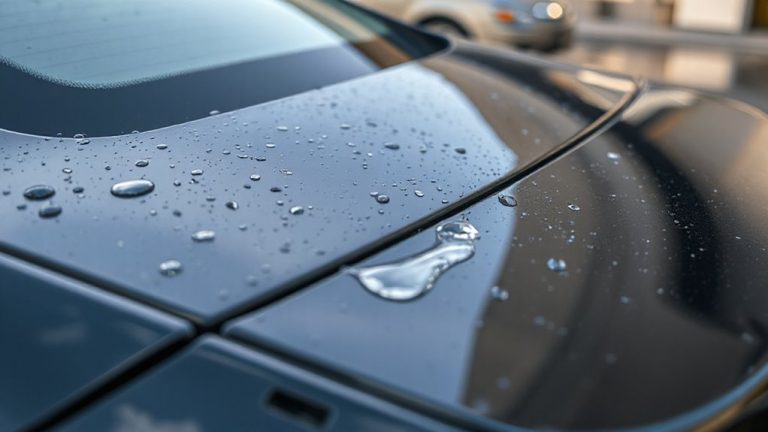
While brake dust and road salt relentlessly bombard your wheels, a nano-ceramic coating acts as an invisible shield that resists adhesion through molecular engineering. Its hydrophobic properties cause water, grime, and contaminants to bead up and roll off instead of sticking. This slick surface minimizes brake dust buildup and makes cleaning effortless. The coating’s chemical resistance protects against corrosive salts and acidic brake dust, preventing pitting and discoloration. Bonded at the microscopic level, the silica-based layer lasts up to three years with proper care. Top-performing products in this category offer exceptional durability and ease of maintenance, making expert-recommended ceramic coatings a smart investment for long-term wheel protection.
| Feature | Benefit |
|---|---|
| Hydrophobic properties | Water and grime bead up and slide off |
| Chemical resistance | Withstands salt, brake dust, and cleaners |
| Surface hardness | Up to 9H scratch resistance |
| Layer thickness | 2–3 microns for durable protection |
How to Prep Chrome Wheels for Ceramic Coating
Proper prep of your chrome wheels guarantees the nano-ceramic coating bonds correctly and lasts up to three years. Begin by washing with a pH-neutral wheel cleaner to remove brake dust and contaminants. Residue prevents adhesion. Inspect for surface oxidation, which appears as hazy, dull spots-this compromises coating durability. Use a chrome-safe polish to eliminate oxidation; apply with a dual-action polisher at 1,200–1,800 RPM. Proper polishing techniques restore reflectivity and create a smooth profile. Avoid aggressive buffing that can thin chrome layers. After polishing, decontaminate with an iron remover to lift embedded metal particles. Follow with an isopropyl alcohol solution (50/50 with water) to strip oils. The surface must be perfectly clean and slightly textured for bonding. Never skip steps-each secures maximum coating performance. For added protection against grime and UV damage, consider applying a tire shine product after the coating has fully cured.
How to Apply Ceramic Coating to Chrome Wheels
You’ve cleaned, polished, and decontaminated your chrome wheels-now it’s time to apply the nano-ceramic sealant. Proper application techniques guarantee maximum adhesion and protection. Apply in a shaded, climate-controlled area between 60–80°F (15–27°C). Use a microfiber applicator or suede-coated pad, spreading the sealant in thin, even layers. Work one wheel at a time, using crosshatch patterns to guarantee complete coverage. Let the coating flash-appear hazy-before buffing with a clean microfiber cloth, typically within 2–3 minutes. Most products require two coats for best results. Allow 24 hours for the curing process, avoiding moisture, road debris, or handling. Full chemical cure takes up to 7 days, during which SiO₂ bonds form a transparent, hydrophobic shield. This hardened layer resists brake dust and road salt effectively.
How to Wash and Maintain Ceramic-Coated Wheels
A ceramic-coated chrome wheel needs a consistent but gentle cleaning routine to preserve its hydrophobic properties and glossy finish. Wash weekly with a pH-neutral car shampoo to avoid degrading the nano-ceramic layer. Use a two-bucket method with a grit guard to prevent swirl marks. Avoid harsh brushes; instead, opt for microfiber mitts or soft-bristle wheel brushes. After rinsing, employ proper drying techniques-use a clean, plush microfiber towel to blot, not scrub, water droplets. This keeps the surface tension intact and enhances water beading. Store wheels in climate-controlled environments when not mounted; UV exposure and temperature extremes degrade coating longevity. Use breathable cotton wheel covers as final storage solutions. Never apply silicone-based tire dressings-they chemically interact with the sealant. With precise maintenance, most ceramic coatings last 2–5 years, maintaining contact angle above 90° for ideal self-cleaning performance. For optimal performance and protection, consider pairing your maintenance routine with the best tires for your vehicle, such as the top picks for Lexus GX460.
On a final note
You protect chrome wheels best with nano-ceramic sealants. These coatings form a hydrophobic, sacrificial layer bonded at the molecular level. They resist brake dust (iron particles at 1,000°F+) and road salt (chlorides and sulfates) through surface tension and hardness (up to 9H pencil hardness). The coating lasts 2–3 years with proper care. Regular pH-neutral washing preserves integrity. Reapplication guarantees continued protection against corrosion and etching.