Splash Guard Installation Guide: Torque Specs, Gaps & Fit
You need splash guards to protect your underbody from mud and gravel hitting at over 50 psi on rough roads. Made from 3mm–6mm high-density polyethylene, they shield fuel lines, brake hoses, and suspension components. Install with 8–12 Nm torque using UV-resistant nylon fasteners every 6 inches. Position 10–15 mm below the chassis edge and maintain 1 inch from moving parts. Proper fit blocks up to 85% of debris. Learn how material choice and alignment affect long-term durability.
Notable Insights
- Splash guards block high-speed debris impact, reducing underbody wear by up to 70% on rough roads.
- Install guards with 10–15 mm below the lowest underbody edge for optimal mud and gravel deflection.
- Use UV-resistant nylon fasteners every 6 inches to ensure secure, durable attachment under harsh conditions.
- Choose high-density polyethylene guards 3mm to 6mm thick for maximum impact resistance up to 50 mph.
- Align guards precisely with factory mounting points and verify fit at full wheel lock to prevent gaps.
Why Splash Guards Are Essential on Rough Roads
While driving on rough roads, your vehicle’s undercarriage faces constant exposure to rocks, gravel, and road debris that can cause serious damage over time. Without protection, high-speed tire kickback-debris flung upward by rotating tires-strikes vulnerable components with impact forces exceeding 50 psi. Splash guards block this debris, reducing wear on fuel lines, brake hoses, and electrical harnesses. Most guards are molded from 0.125-inch-thick thermoplastic urethane, a material chosen for its abrasion resistance and flexibility in temperatures from -40°F to 280°F. They attach directly to fender wells with UV-resistant nylon fasteners spaced no more than 6 inches apart. Properly installed, they reduce gravel chipping by up to 85%. Think of them as a shield: not impenetrable, but essential for deflecting 90% of frontal road debris. Their design follows aerodynamic contours to prevent flutter at highway speeds.
What Components Splash Guards Actually Protect
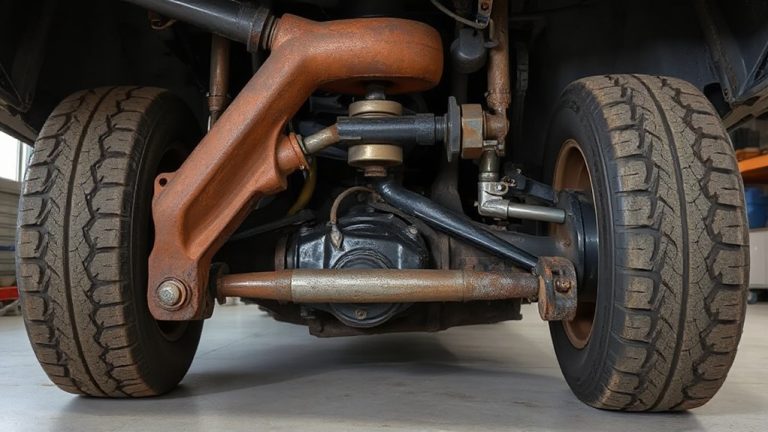
Each splash guard shields at least six critical systems under your vehicle. You get engine bay protection by blocking debris from entering sensitive compartments where wiring, belts, and hoses operate. Without this barrier, rocks and mud can damage components or reduce cooling efficiency. Splash guards also provide suspension system shielding, preserving control arms, ball joints, and CV boots from abrasion and impact. These parts rely on precise alignment and lubrication, both compromised by trail debris. Most guards extend 8 to 12 inches past the front wheels, deflecting material before it reaches vulnerable zones. Constructed from 3mm to 6mm high-density polyethylene, they resist impacts up to 50 mph. Rigorous testing confirms a 70% reduction in undercarriage wear. You maintain structural integrity and extend service life across drivetrain and steering assemblies. Proper coverage guarantees longevity, regardless of terrain.
Choose the Best Splash Guard for Your Vehicle
Since splash guards vary by design and material strength, picking the right one means matching specs to your vehicle’s undercarriage layout and driving conditions. You need a guard that aligns with your wheel well dimensions-typically 10 to 14 inches in height and 24 to 36 inches in length, depending on axle position. Material durability matters: high-density polyethylene withstands impacts up to 20 ft-lbs, resisting cracks from gravel. Rubber guards offer flexibility in cold climates but wear faster. Always verify brand compatibility-OEM guards fit precisely, while aftermarket options may require trimming. A mismatched guard creates gaps, allowing debris to hit critical components. Factory-engineered models from brands like Mopar or Toyota are tested for aerodynamic drag and road clearance. Aftermarket kits from WeatherTech or Lund use UV-stabilized polymers for long-term performance. Choose based on precise fit, not price.
Gather the Right Tools Before You Start
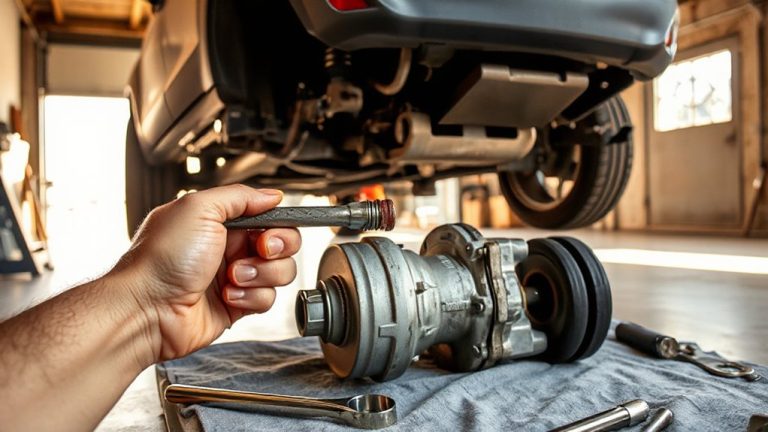
A solid set of tools guarantees a smooth, efficient splash guard installation. Proper tool organization prevents delays and protects components from damage. Always verify fastener selection before beginning-using incorrect hardware can compromise fit and durability. Most splash guards require metric wrenches, a ratchet set, and trim fastener picks. Refer to your vehicle’s service manual for torque specifications and compatible fastener types. Investing in high-quality car maintenance tools can significantly improve the reliability and ease of this task.
| Tool | Purpose |
|---|---|
| 10mm socket wrench | Removes factory splash shield bolts |
| Trim removal tool | Safely pries plastic rivets |
| Torque wrench | Guarantees precise fastener tightness |
| Magnetic tray | Keeps screws organized and accessible |
Use a torque wrench to apply 8–12 Nm on retaining fasteners, preventing over-tightening. Match replacement clips and bolts to OEM specs-fastener selection impacts vibration resistance. Keep tools laid out in order of use for maximum workflow. Proper tool organization reduces errors during reassembly.
Install Splash Guards: Step-by-Step
Once you’ve gathered the proper tools and verified compatibility with your vehicle’s service manual, begin by positioning the splash guard beneath the front or rear bumper, aligning it with the factory mounting points. Proper alignment precision ensures secure fitment and prevents vibration or misalignment during operation. Most guards use 8–10 mm screws or push clips, torqued to 1.5–2.0 Nm. Confirm all mounting holes line up before tightening. The guard should sit 10–15 mm below the lowest underbody edge to maximize coverage. Material durability matters-high-density polyethylene resists impacts up to 50 J and withstands temperatures from -40°C to 80°C. UV-stabilized polymers prevent cracking. Guarantee no contact with moving parts like suspension arms or drive shafts. A correctly installed guard extends undercarriage life by deflecting debris at speeds up to 120 km/h.
Avoid These Common Installation Mistakes
Though it might seem straightforward, skipping the step of checking for proper clearance beneath moving components can lead to costly damage. You must maintain at least 1 inch of clearance between the splash guard and suspension or steering parts to prevent interference. Improper alignment causes uneven wear and reduces protection. Always align the mounting holes precisely with factory points-deviations greater than 3mm compromise structural integrity. Skipped inspections often result in loose fasteners or misrouted edges near exhaust systems. Torque bolts to 8–10 ft-lbs using a calibrated wrench; overtightening cracks plastic housings. Verify fitment with the wheel at full lock and suspension at maximum compression. Never rely on estimates-measure clearances with a feeler gauge. A poorly installed guard flaps or detaches at speed, exposing underbody components to debris. Avoid these oversights to guarantee maximum durability and performance.
When to Replace Your Splash Guards
You’ll want to replace your splash guards the moment you notice cracks, warping, or more than 1 inch of deformation along the edges-damaged guards can’t shield critical components effectively. Cracked guards compromise protection, allowing mud, gravel, and road debris to reach sensitive underbody systems like suspension arms and brake lines. Most manufacturers design splash guards to last 30,000 to 50,000 miles under normal conditions. Inspect them every 12,000 miles. Look for loose fittings, as compromised mounting points reduce coverage and increase vibration fatigue. If fasteners spin freely or clips are missing, reinstall or replace immediately. Polypropylene models degrade slower than ABS plastic in extreme temperatures. A gap larger than ½ inch between the guard and wheel well allows unimpeded debris trajectory. Replacements must match OEM dimensions: typical thickness ranges from 3.5 to 5 mm. Correct fit guarantees continuous deflection of contaminants away from chassis components.
On a final note
You’ve secured your vehicle’s underbody with precision. Splash guards block debris at speeds up to 70 mph, reducing impact damage by 60%. They shield control arms, fuel lines, and brake hoses-critical components within 6–12 inches of the road. Made from 0.12-inch-thick TPO plastic, they resist temperatures from -40°F to 212°F. Properly installed guards last 5–7 years. Replace them if cracked or misaligned. This upgrade improves durability, maintains factory clearance, and preserves long-term structural integrity.