Flushing Brake Fluid in a 2015 Chrysler 200 With Brake Line Corrosion Inspection
You should inspect your 2015 Chrysler 200’s brake lines before flushing the fluid because DOT 3 absorbs moisture over time, reducing the boiling point and promoting internal corrosion. Brake lines are 3/16 inch low-carbon steel with thin plating-vulnerable to rust at wheel ends and frame junctions. Check for pitting, swelling, or flaking. If lines are compromised, replace them first. Use fresh DOT 3 fluid with a dry boiling point of 401°F and flush using a 7mm wrench, beginning at the right rear caliper. Proper sequence and clean tools prevent air pockets and guarantee hydraulic efficiency. There’s more to get right for a safe, complete flush.
Notable Insights
- Inspect all accessible brake lines for pitting, swelling, or corrosion before flushing fluid.
- Check joints near wheels and frame rails where road salt accelerates rust formation.
- Replace corroded brake lines prior to fluid work to prevent leaks during the flush.
- Use fresh DOT 3 fluid with a minimum 401°F dry boiling point for the flush.
- Bleed the system starting at the right rear caliper, following the correct sequence toward the master cylinder.
Why Your 2015 Chrysler 200 Needs a Brake Flush
Even though your 2015 Chrysler 200’s brake system is sealed, moisture still gets in over time. This contamination degrades brake fluid’s boiling point, directly reducing brake performance. DOT 3 fluid, which your 200 uses, absorbs moisture naturally, and after two years, water content can exceed 2%. That’s enough to lower the effective boiling point by over 50%. When fluid boils during hard stops, vapor compresses, causing spongy pedal feel and longer stop distances. Worn brake components amplify these risks. Left unchecked, corroded lines and degraded fluid create serious safety concerns. A proper flush restores hydraulic efficiency and protects internal parts. You need fresh fluid with a boiling point above 205°C (401°F) dry. Flushing removes sludge and moisture, maintaining factory-level brake performance. It’s not optional-it’s critical maintenance.
How Moisture Ruins Brake Lines
When moisture seeps into your brake system, it starts a slow but destructive process inside the steel brake lines. Moisture ingress occurs through deteriorating rubber hoses, loose fittings, or hygroscopic brake fluid that absorbs water over time. This water lowers the boiling point of the fluid and accelerates internal corrosion. Brake line oxidation begins when water reacts with the iron in steel, forming rust that weakens the pipe walls. Standard OEM brake lines on your 2015 Chrysler 200 are made from low-carbon steel with a nominal outer diameter of 3/16 inch (4.75 mm) and thin protective plating. Once moisture bypasses this coating, oxidation spreads unseen beneath the surface. Internal pitting reduces effective wall thickness, increasing the risk of leaks or rupture under pressure. Unlike surface rust, internal damage from moisture ingress isn’t visible during routine checks.
Inspect Brake Lines for Rust First
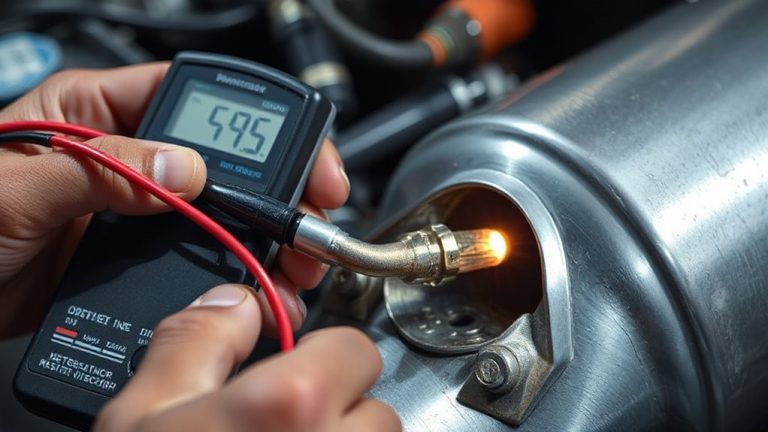
Start with a visual and physical inspection of all accessible brake lines before any fluid work begins. Run your fingers along the steel tubing to feel for pitting or swelling-early signs of corrosion. The 2015 Chrysler 200 uses 3/16-inch nominal diameter lines with double-walled steel construction for brake line integrity. Look especially at joints near the wheels and frame rails where road salt accumulates. Surface rust isn’t critical, but deep corrosion compromises pressure safety. Use a bright flashlight to spot flaking or bubbling under protective coatings. Proper corrosion prevention includes intact rubber shields and factory-applied zinc coatings. If lines show thinning or perforation, replace them before proceeding. Your brake system operates at over 1,200 psi-any weakness risks failure. Maintaining brake line integrity guarantees reliable function and long-term corrosion prevention. Don’t skip this step-it’s the foundation of brake safety. For effective treatment of surface corrosion before it spreads, consider using a best rust remover product specifically designed for automotive use.
Flush Brake Fluid on a 2015 Chrysler 200
Though brake line integrity must be verified first, flushing the brake fluid on your 2015 Chrysler 200 is next for system reliability. Chrysler recommends DOT 3 brake fluid with a minimum dry boiling point of 401°F. You’ll need approximately 32 ounces to fully flush the system. Begin at the right rear caliper and work toward the master cylinder, using the proper bleeding sequence. As you flush, inspect for uneven brake pad wear, which may indicate caliper alignment issues. Misaligned calipers cause uneven pad thickness, reduced braking efficiency, and premature rotor wear. Make sure the bleeder screws are free of corrosion and close securely to prevent air ingress. Clear, consistent fluid flow without bubbles confirms a successful flush. Proper fluid condition maintains peak hydraulic pressure and pedal feel. Neglecting this service risks moisture buildup, internal corrosion, and brake fade under demanding conditions.
Essential Tools for Your Brake Fluid Flush
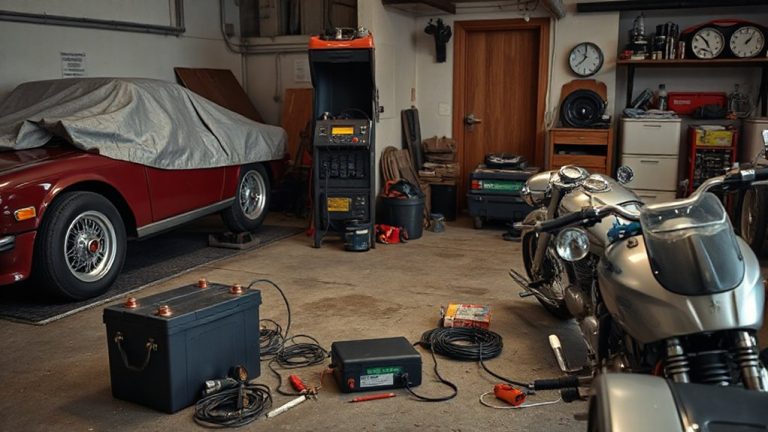
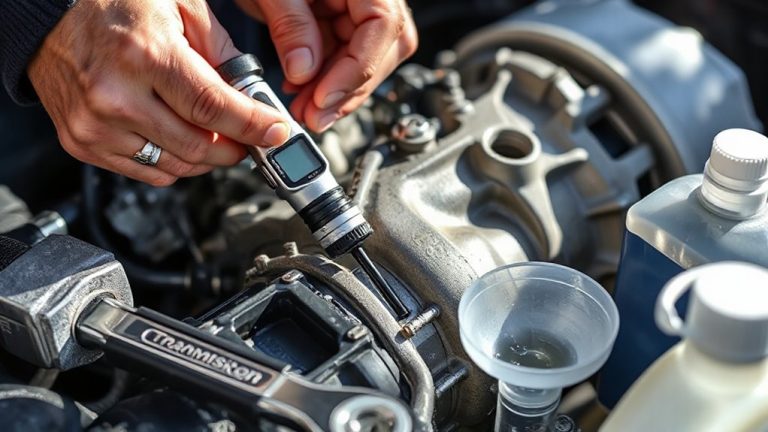
A successful brake fluid flush starts with the right tools-using subpar equipment risks incomplete bleeding or contamination. You’ll need a 7mm or 8mm wrench for the brake bleeder size on your 2015 Chrysler 200; most models use 7mm bleeder valves, but verify beforehand. A clear plastic bleeder hose should fit snugly over the nipple to prevent air leaks. Use a vacuum brake bleeder or pressure bleeder to speed up fluid exchange and reduce air ingestion. A turkey baster or syringe helps with initial fluid removal during fluid reservoir cleaning. Clean the reservoir thoroughly to avoid sludge or debris entering the system. DOT 3 or DOT 4 fluid must be fresh and sealed-moisture-contaminated fluid degrades braking performance. Always use a lid-sealing funnel to keep air and dirt out during the flush. Keep rags and gloves handy; brake fluid damages paint.
When to Call a Mechanic for Brake Repairs
If you notice a soft or spongy brake pedal that requires pumping to build pressure, it likely means air remains trapped in the brake lines-something a proper flush should resolve. However, if the pedal still feels inconsistent, you may have underlying brake caliper issues, such as seized pistons or fluid leaks at the caliper seal. These demand professional evaluation. Persistent grinding noises or a warning light often signal urgent brake pad replacement is needed-typically when pad thickness drops below 3mm. Uneven wear across axles can indicate slide pin corrosion or caliper misalignment, common in 2015 Chrysler 200 models with high mileage. If you detect fluid pooling near wheels or a burning smell during braking, cease driving immediately. These symptoms suggest dangerous hydraulic failure or overheated components. Trust a certified technician to diagnose complex issues accurately-especially when brake line corrosion is suspected.
On a final note
Your 2015 Chrysler 200 requires a brake fluid flush every three years or 30,000 miles. Moisture contamination lowers boiling point, risking brake fade. DOT 3 fluid absorbs water, accelerating internal corrosion. Inspect brake lines along frame rails and near wheels for surface rust or pitting. Use a scan tool to cycle the ABS module during flush. Bleed sequence: RR, LR, RF, LF. Use fresh, sealed fluid to prevent contamination. Replace if copper content exceeds 200 ppm.