New Developments in Anti-Graffiti Coatings for Commercial Vehicle Fleets
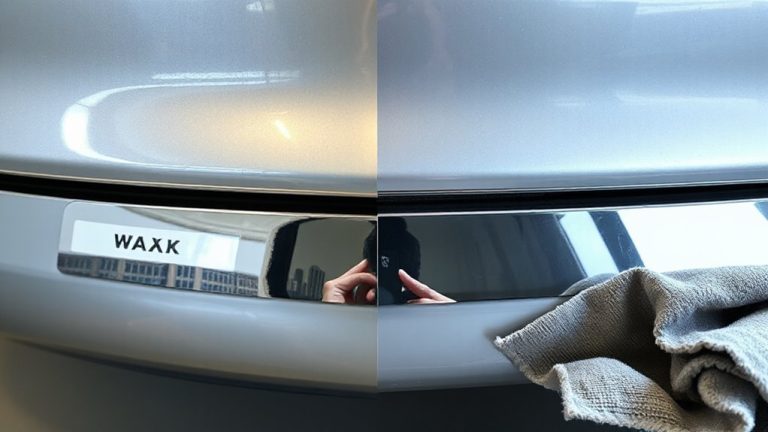
You can now protect your fleet with permanent anti-graffiti coatings that last five years and withstand 1,000+ hours of UV and salt spray exposure. These hydrophobic polymer barriers reduce paint absorption by up to 95% and allow graffiti removal in minutes without damaging surfaces. Certified to Boeing AAMS 2-3127 and ASTM D3359 standards, they maintain gloss with less than 5% degradation annually. Applied at 2–3 mils via electrostatic spray after alcohol cleaning, they cut annual maintenance costs by up to 60%. There’s more to discover about how these systems work in real-world operations.
Notable Insights
- Advanced hydrophobic nanocoatings now reduce paint absorption by up to 95% and enable faster graffiti removal.
- New permanent anti-graffiti coatings last up to five years and withstand 1,000+ hours of UV and salt spray exposure.
- Fleet-grade coatings are being certified to Boeing AAMS 2-3127 and ASTM D3359 for superior adhesion and durability.
- Electrostatic spray application at 2–3 mil thickness ensures uniform coverage and optimal performance across diverse substrates.
- Innovations in sacrificial coatings allow gentle, eco-friendly cleaning without damaging underlying painted surfaces.
Why Graffiti Costs Fleets More Than You Think
While graffiti might seem like a surface-level issue, its impact on fleet operations extends far beyond appearance. You face hidden downtime every time a vehicle is pulled for cleaning or repainting. Each hour off the road means missed deliveries, delayed service, and lost revenue. Graffiti removal can take 2–6 hours per incident, depending on paint type and surface area. Over a year, this adds up to hundreds of lost operational hours across a medium-sized fleet. Reputational damage occurs when marked vehicles interact with the public-your brand appears neglected or targeted. Customers associate graffiti with disorganization or decline. Unlike minor cosmetic fixes, these effects compound silently. Insurers may raise premiums after repeated vandalism reports. The cost isn’t just in labor or materials; it’s in eroded trust and efficiency. You’re not just cleaning paint-you’re repairing operational integrity and public perception.
How Anti-Graffiti Coatings Stop Vandalism
Since graffiti can penetrate porous surfaces and bond permanently to bare materials, anti-graffiti coatings create a protective barrier that prevents paint adhesion. This barrier guarantees easy graffiti removal and preserves your fleet’s appearance. Surface protection is achieved through hydrophobic polymers that repel liquids and contaminants. These coatings reduce paint absorption by up to 95%, making cleanup fast and cost-effective. Vandalism deterrence isn’t just about removal ease-it’s about discouraging repeat attacks through visible defense.
| Coating Type | Thickness (microns) | Contact Angle (°) |
|---|---|---|
| Sacrificial | 25–50 | 70–80 |
| Semi-Permanent | 50–75 | 90–100 |
| Permanent | 75–120 | 110–120 |
Permanent coatings offer the longest service life, often exceeding five years with proper maintenance. They withstand repeated cleanings without degradation, making them ideal for high-exposure fleets.
5 Must-Have Features in Fleet-Grade Anti-Graffiti Coatings
If you’re protecting a commercial fleet, you can’t afford weak or short-lived solutions-opt for anti-graffiti coatings engineered for durability and resilience. Look for products with proven performance in durability testing, including 1,000+ hours of salt spray resistance and 500+ hours of QUV exposure. These ratings confirm resistance to corrosion, UV degradation, and harsh weather. The coating must also pass Boeing AAMS 2-3127 and ASTM D3359 adhesion tests, ensuring it won’t peel or crack under stress. Surface compatibility is equally critical-select formulations designed specifically for metals, composites, or painted substrates common in vehicle fleets. A high-performance fluoropolymer or polyurethane base typically offers the best adhesion and chemical resistance. Avoid one-size-fits-all solutions. Coatings should maintain performance across temperatures from -40°C to 120°C. Proper selection reduces long-term maintenance and keeps vehicles in service longer.
Permanent or Sacrificial? Choosing the Right System
You’ve selected a durable, fleet-grade coating with strong adhesion and environmental resistance-now decide how that protection functions. Permanent systems resist abrasion and UV exposure, maintaining coating durability for up to five years. They withstand repeated cleanings using mild solvents, reducing removal frequency. These coatings are ideal for vehicles in high-exposure zones where graffiti recurs weekly. Sacrificial coatings, in contrast, are thin polymer layers that release graffiti with gentle washing, preserving the underlying paint. Their coating durability is lower-typically lasting 12 to 18 months-requiring reapplication. Removal frequency is higher, especially after each cleanup. Sacrificial types suit fleets with infrequent vandalism and access to regular maintenance. Permanent solutions demand higher upfront cost but cut long-term labor and material expenses. Choose based on your fleet’s exposure, maintenance capacity, and lifecycle expectations. Each system offers distinct trade-offs in performance, cost, and upkeep.
Real-World Results: Fleets Using Anti-Graffiti Coatings
How do anti-graffiti coatings hold up when the stakes are real? You’re seeing measurable cost savings across commercial fleets. Operators report up to 60% lower cleaning and repaint expenses annually. These coatings resist spray paint, markers, and etching without degrading. Durability improvements are clear-films withstand over 1,000 hours of UV exposure and resist pH levels from 2 to 11. Most systems maintain performance after 50+ cleanings with harsh solvents. Field data shows coated vehicles retain gloss and clarity, with less than 5% degradation after two years in high-exposure urban environments. You’re not just protecting paint; you’re extending service life. Some sacrificial coatings are only 5–7 microns thick but still enable graffiti removal with low-pressure washing. Permanent hybrid-polymer variants exceed 20 microns and deliver superior abrasion resistance. Fleets in transit and waste management sectors confirm reduced downtime. You get quantifiable ROI through preserved asset value and lower maintenance frequency.
How to Apply Anti-Graffiti Coatings for Longest Life
Proper application determines how long anti-graffiti coatings remain effective. Surface preparation is critical-clean substrates with isopropyl alcohol, removing grease, dust, and old contaminants. Any residue compromises adhesion, reducing coating life by up to 60%. Apply in a controlled environment: 60–80°F with humidity under 85%. Use the recommended application technique: electrostatic spray guarantees uniform 2–3 mil thickness, while brush or roller may leave streaks and thin spots. Multiple thin coats outperform one thick layer, reducing cracking risk. Curing takes 24–48 hours before exposure.
| Outcome | Poor Process | Correct Process |
|---|---|---|
| Coating Life | <1 year | 3–5 years |
| Maintenance Cost | High | Low |
| Fleet Appearance | Dull, stained | Clean, professional |
Eco-Friendly Anti-Graffiti Coatings That Actually Work
While traditional anti-graffiti coatings often rely on harsh solvents, newer eco-friendly formulations deliver comparable protection without sacrificing performance or environmental responsibility. You’ll find these advanced coatings use biodegradable polymers that break down safely after removal, reducing long-term environmental impact. They form a clear, sacrificial layer-typically 25 to 50 microns thick-that resists paint penetration from aerosol and marker tags. When cleaning, you benefit from non toxic removal; graffiti lifts with low-pressure water or mild detergents, avoiding chemical strippers. Field tests show these coatings withstand over 15 removal cycles with no substrate damage. The polymers maintain integrity under UV exposure and temperatures from -20°C to 80°C. Adhesion is low-surface-energy, similar to how ice repels water. You get durable, sustainable protection that meets EPA and REACH compliance standards.
On a final note
You protect your fleet’s appearance and cut maintenance costs with the right anti-grafitti coating. Permanent fluoropolymer coatings last 5+ years, resisting UV and chemicals. Sacrificial silicone-based films remove graffiti with minimal cleaning. Opt for ≥95% gloss retention and 4H pencil hardness. EPA-compliant, low-VOC options now offer equal performance. Choose based on substrate, exposure, and ROI.