How to Upgrade Factory Speaker Connectors for Corrosion Resistance
Replace your factory speaker connectors with gold-plated oxygen-free copper (OFC) terminals to prevent premature failure. Factory connectors use thin, resistive metals that degrade signal quality. Gold resists oxidation, maintaining below 0.01 ohms resistance over time. Pair with tinned marine-grade copper and rubber-sealed grommets for moisture resistance. Apply dielectric grease before connection-it repels water and stays stable from -40°C to 200°C. This upgrade guarantees consistent conductivity, especially in humid or salty environments. There’s more to optimizing connection reliability than just the metal used.
Notable Insights
- Replace factory connectors with gold-plated oxygen-free copper (OFC) terminals to minimize resistance and prevent oxidation.
- Use marine-grade tinned copper connectors with rubber sealing grommets for superior moisture and salt resistance.
- Apply dielectric grease to all contact points before connecting to block moisture and inhibit corrosion.
- Ensure direct OEM pin compatibility for plug-and-play replacement without cutting or adapters.
- Inspect connections every six months and reapply dielectric grease annually for lasting protection.
Why Upgrading Speaker Connectors Prevents Failure
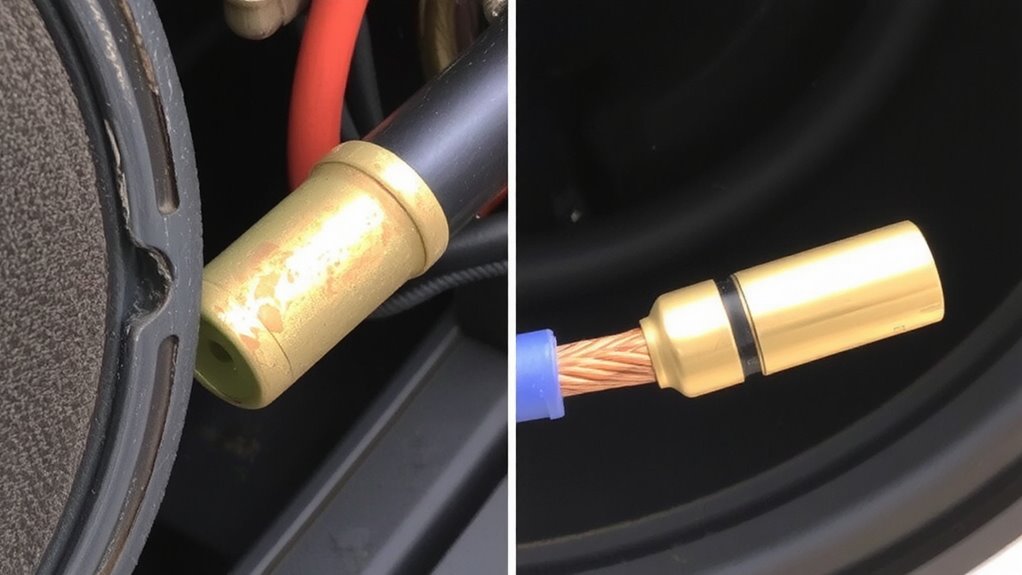
A factory-installed speaker connector might seem reliable at first, but it’s often the weakest link in your audio system over time. These connectors typically use thin, low-grade metal with minimal contact surface area. As a result, electrical resistance increases at the connection points. Elevated resistance restricts current flow, reducing power delivery to your speakers. Over time, this leads to signal degradation, which distorts audio and saps clarity. Upgraded connectors, like those made from oxygen-free copper or gold-plated brass, offer tighter tolerances and better conductivity. They maintain a secure, low-resistance junction-often below 0.05 ohms. Precision-fit crimp terminals guarantee mechanical stability, minimizing micro-movement that fatigues wires. High-quality insulation also prevents environmental exposure that accelerates wear. By replacing weak factory connectors, you preserve signal integrity and maximize amplifier efficiency. This upgrade prevents connection failure before corrosion even becomes a factor.
How Corrosion Ruins Your Audio Quality
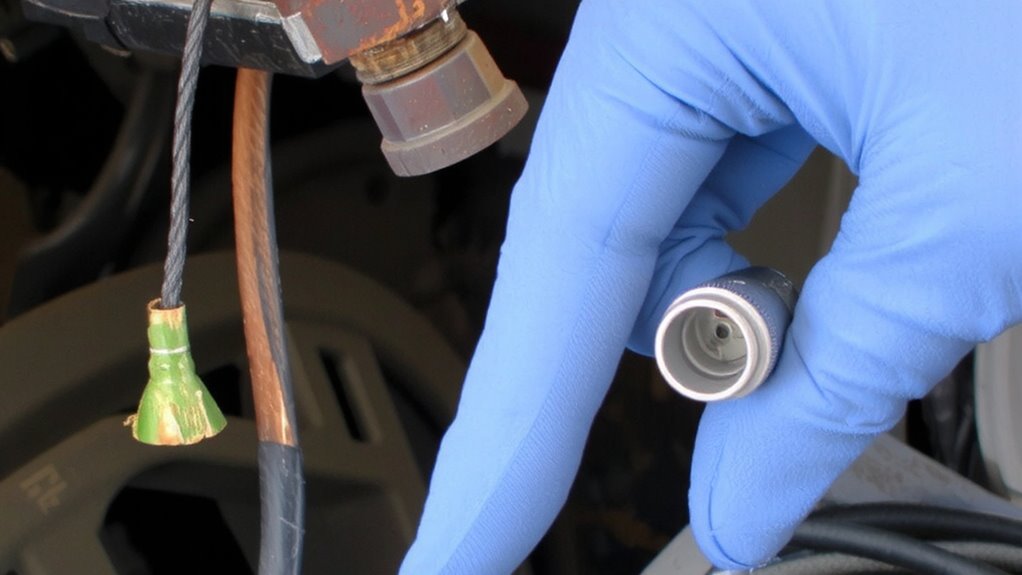
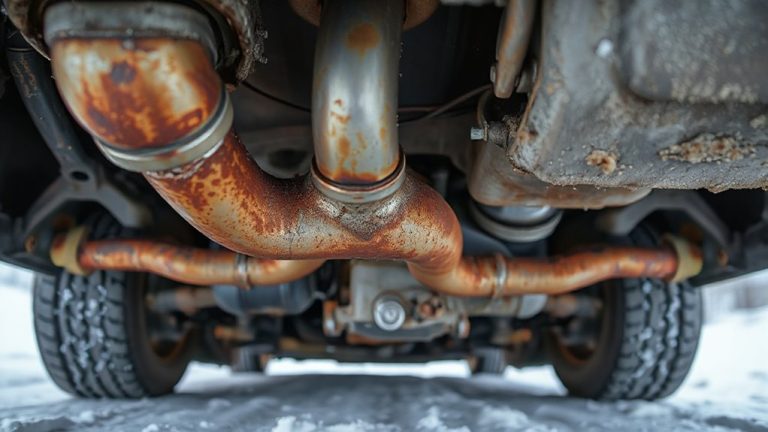
You’ve already seen how poor connections increase resistance and degrade signal before corrosion even appears. Once corrosion starts, signal degradation accelerates. Oxidation on metal contacts raises resistance, sometimes over 50%, restricting current flow. This weakens the voltage reaching your speakers, directly affecting sound clarity. Even minor resistance changes disrupt impedance matching, distorting output. Audio distortion becomes noticeable as crackling, muffled highs, or inconsistent volume. Corrosion doesn’t just block current-it creates non-linear conductivity, where signal transmission varies unpredictably. Think of it like water pressure fluctuating in a corroded pipe. At high frequencies, this causes phase shifts and lost detail. Over time, intermittent contact introduces digital-like dropouts, further degrading performance. These issues arise long before total failure, silently compromising fidelity. Signal integrity depends on consistent conductivity, and corrosion breaks that chain. You’re not just losing volume-you’re losing accuracy.
Choose Corrosion-Resistant Speaker Connectors
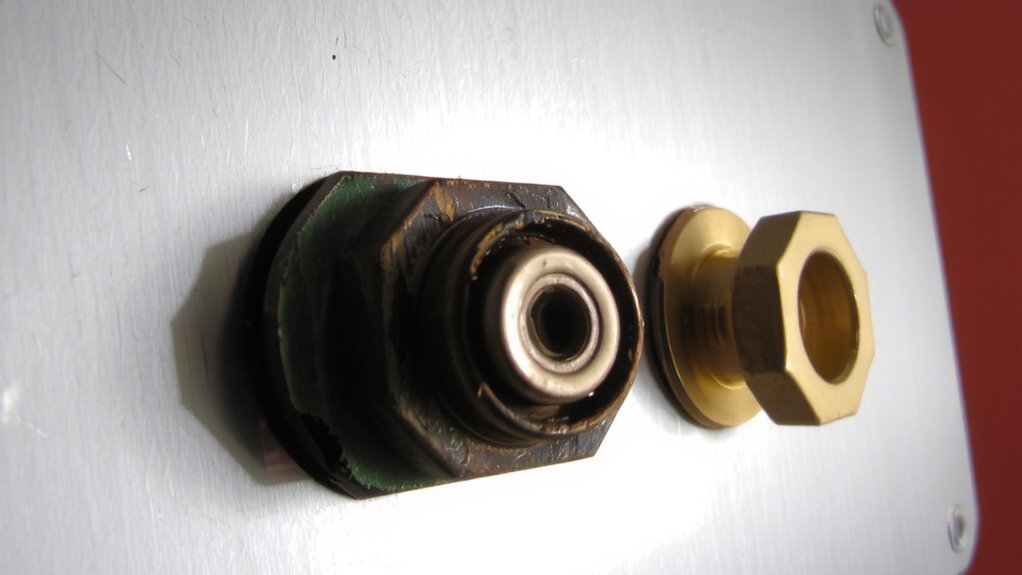
Don’t wait for crackling speakers to tell you it’s time to act-upgrade to corrosion-resistant speaker connectors now. Choose connectors with gold plating to prevent oxidation and guarantee consistent signal transfer. Gold doesn’t corrode, even in humid environments, making it ideal for long-term reliability. Most standard connectors use nickel or tin, which degrade faster when exposed to moisture. Use oxygen-free copper (OFC) wiring with your new connectors-this reduces impurities and improves conductivity by up to 5%. OFC contains less than 0.001% oxygen, minimizing internal corrosion. Gold-plated OFC connectors maintain signal integrity and reduce resistance, typically keeping it below 0.01 ohms over time. Match the connector size to your speaker wire gauge-common sizes are 4mm for 16–12 AWG wire. Precision fit prevents loose connections. These upgrades guarantee clean audio transmission and extend system life without modifying your vehicle’s original setup.
Upgrade With Marine-Grade Connectors
Marine-grade connectors are built to withstand extreme conditions, making them ideal for vehicle audio systems exposed to moisture and salt. These connectors use marine coatings to resist corrosion from humidity, road spray, and temperature swings. You’ll benefit from their rugged brass or tinned copper contacts, which maintain signal integrity over time. Combined with waterproof insulation, they create a sealed environment that blocks moisture intrusion.
| Feature | Benefit |
|---|---|
| Tinned copper terminals | Resist oxidation and guarantee consistent conductivity |
| Marine coatings | Protect against salt spray and UV degradation |
| Rubber sealing grommets | Provide waterproof insulation |
| Operating temp: -40°C to 105°C | Handle extreme under-vehicle conditions |
You should replace factory clips with these secure, weather-resistant connectors. They lock tightly, preventing vibration-related failures common in stock setups. Their design matches OEM pin configurations for direct-swapping-no extra adapters needed.
Seal Connections With Dielectric Grease
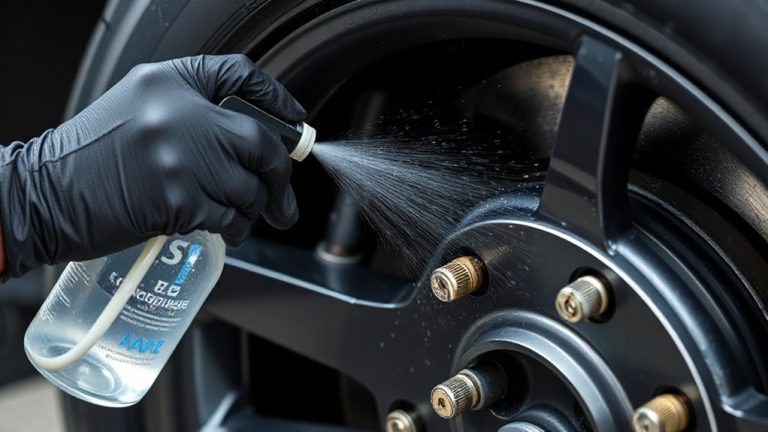
A protective barrier is essential for maintaining long-term electrical performance in corrosive environments. You must seal connections with dielectric grease to prevent water exposure and degradation. Dielectric grease repels moisture, creating a reliable layer that blocks humidity and road spray. It doesn’t conduct electricity, so it won’t interfere with signal transmission. Apply a thin, even coat over the metal contact surfaces before mating connectors. This guarantees proper electrical insulation while protecting against oxidation. The grease remains stable across extreme temperatures, typically -40°C to 200°C, making it ideal for automotive use. It’s silicone-based, non-corrosive, and won’t harden or melt over time. Unlike regular grease, it stays in place without migrating. Use it on marine-grade connectors after installation for maximum protection. A sealed connection resists corrosion, maintains conductivity, and extends speaker life-even in wet or salty conditions.
Test Sound and Prevent Future Damage
How can you be sure your upgraded speaker connections will deliver reliable performance over time? Test the sound immediately after sealing the connectors. Play audio across a full frequency range, from bass-heavy tracks to high-pitched tones, to evaluate sound clarity. Listen for distortion, static, or dropouts-indications of poor contact or wiring flaws. Use a multimeter to confirm continuity and check for resistance; readings above 0.5 ohms suggest a weak connection. Secure all connections away from heat sources and moving parts to avoid wear. Reapplying dielectric grease annually provides a durability boost by preventing moisture ingress and oxidation. Keep speaker wires organized with zip ties to reduce vibration damage. Proper strain relief at connection points prevents wire fatigue. These steps guarantee long-term reliability, maintain peak signal transfer, and protect your investment. Routine inspection every six months catches issues early.
On a final note
You prevent audio degradation by upgrading to corrosion-resistant connectors. Standard factory pins corrode easily, increasing resistance and distorting signals. Marine-grade tinned copper connectors resist oxidation, maintaining conductivity. Apply dielectric grease-rated for -40°C to 200°C-to seal out moisture. Properly sealed connections stay below 0.001 ohms resistance, ensuring clean power transfer. Test continuity with a multimeter; replace any connector showing fluctuating readings. Routine inspection preserves signal integrity and extends speaker life.