Evaluating Hazing After Polishing: Causes, Prevention, and Correction Methods
Hazing forms when oxidation creates a 2–10 nm film that interferes with light. Humidity above 60% RH and temperatures over 25°C accelerate this reaction, especially with chlorides present. Clean surfaces with 99% isopropyl alcohol and rinse with deionized water (<5 µS/cm). Use a 3–5 µm mild abrasive at 1,800–2,200 RPM for correction. Handle parts with nitrile gloves and store below 40% RH. Further details reveal advanced methods for sustained clarity.
Notable Insights
- Post-polish hazing results from microscopic oxidation and thin-film interference on metal surfaces.
- Oxidation rates increase with humidity above 60% RH and temperatures over 25°C, especially in ferrous alloys.
- Correct hazing using chelating detergents, deionized water rinses, and mild micro-abrasion at 1,800–2,200 RPM.
- Prevent hazing by cleaning with isopropyl alcohol, using low-humidity storage, and applying VCI films.
- Handle polished parts with nitrile gloves and cleanroom tools to avoid contamination and surface degradation.
What Causes Hazing After Polishing?
Why does a polished surface still develop haze? Residual haze forms due to microscopic oxidation and thin-film interference after polishing. You might polish metal to a 0.05–0.1 μm surface roughness, but it can still degrade. Chemical reactions between surface atoms and atmospheric oxygen initiate oxide layer growth. This nanoscale film, typically 2–10 nm thick, alters light reflection, causing a hazy appearance. Environmental exposure accelerates this-humidity above 60% RH doubles oxidation rates in ferrous alloys. Temperatures over 25°C further increase reaction kinetics. Even brief exposure to chlorides or sulfur compounds in urban or coastal areas triggers localized corrosion. These reactions begin within minutes post-polishing if protective coatings aren’t applied. The haze isn’t residue-it’s structural. Surface energy increases after polishing, making it more reactive. Without passivation or immediate sealing, environmental exposure guarantees haze development.
How to Fix Hazing on Polished Metal Surfaces
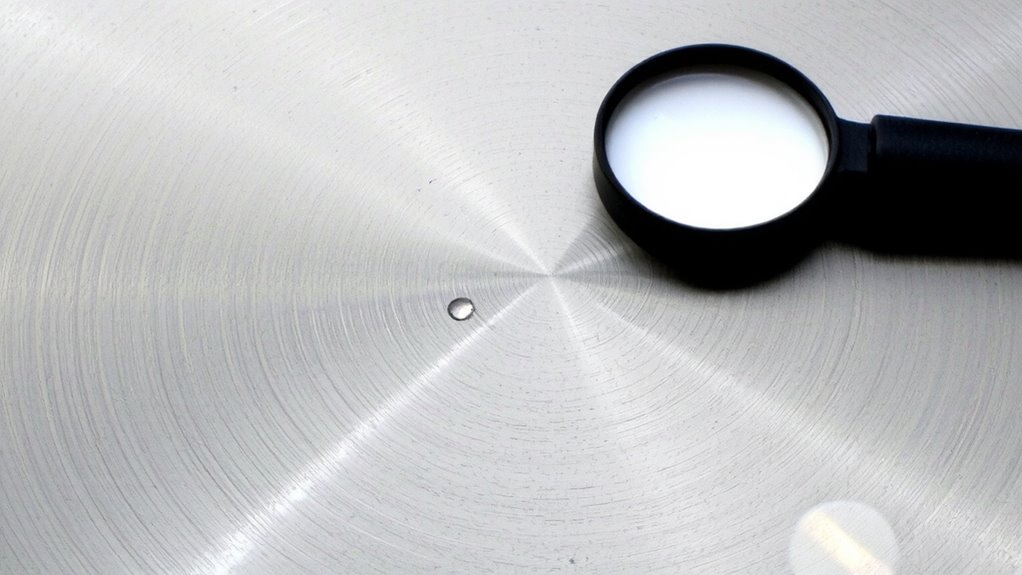
You can reverse hazing on polished metal surfaces by removing the nanoscale oxide layer responsible for the cloudy appearance. Chemical residues and improper drying often worsen this condition, locking contaminants into the finish. Use a chelating detergent followed by deionized water rinse to eliminate ionic residues. Dry immediately with oil-free, lint-free wipes to prevent water spotting. For persistent haze, apply a mild abrasive compound (3–5 µm) with a non-woven buffing pad at 1,800–2,200 RPM. Always test on a small area first.
| Cause | Solution | Tool/Chemical |
|---|---|---|
| Chemical residues | Chelating wash | Detergent #77 |
| Improper drying | Immediate drying | Lint-free wipe, N₂ blowoff |
| Surface oxidation | Micro-abrasion treatment | 3M Scotch-Brite MF-10 |
How to Prevent Post-Polish Hazing
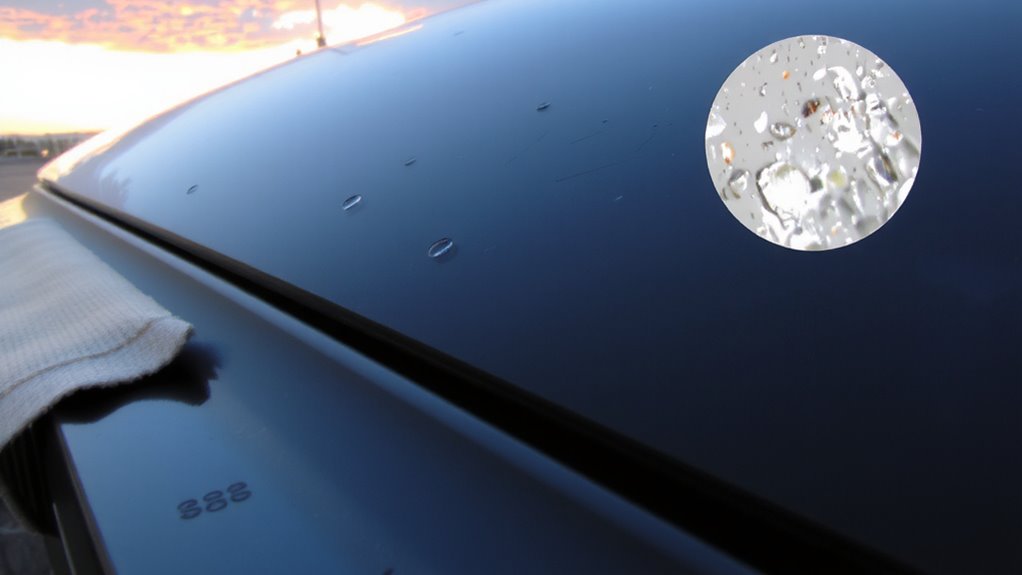
While achieving a flawless polish is critical, maintaining that finish depends on preventing hazing before it starts. You must control surface contamination and environmental exposure immediately after polishing. Residual oils, dust, or salts on the surface can initiate hazing within hours. Clean parts with isopropyl alcohol (IPA) at 99% concentration to remove organic residues. Rinse with deionized water (conductivity <5 µS/cm) for inorganic contaminants. Once cleaned, store parts in a low-humidity environment (below 40% RH) to minimize oxidation. Avoid exposure to chlorides and sulfur compounds, common in industrial atmospheres. Use sealed enclosures with desiccants to limit environmental exposure. For prolonged storage, apply a vapor corrosion inhibitor (VCI) film rated for metal protection. These steps guarantee the polished surface remains optically smooth and haze-free. You can’t polish away future hazing-only prevent it.
How to Handle Polished Parts Without Causing Hazing
Contaminants from bare hands or improper tools can compromise a polished surface just as quickly as environmental exposure. You must wear lint-free nitrile gloves to prevent surface contamination from oils and sweat. Always handle parts by the edges when possible, avoiding direct contact with the polished face. Improper handling introduces micro-scratches and residue, which act as nucleation sites for hazing. Use cleanroom-compatible tools rated for Class 100 environments to transfer parts. Work in a controlled space with <35 particles per cubic foot (0.5 µm or larger). Even brief exposure to unfiltered air raises contamination risk. Store components in static-dissipative, sealed containers immediately after polishing. Never stack polished surfaces directly atop one another-interleave with non-abrasive, low-outgassing film. You can’t see most contaminants, but they degrade reflectivity over time. Consistent protocols minimize defects and maintain optical clarity.
Tools That Stop Hazing After Polishing
Why do some finishes stay crystal clear while others haze over time? The difference often lies in the tools you use. High-efficiency burnishing tools with polished flaps resist heat buildup, a major cause of hazing. These tools run cooler than standard abrasive discs, preserving the metal’s finish. You’ll see best results with tools operating at 3,000–5,000 RPM-exceeding this range risks surface distortion. Effective tool maintenance guarantees consistent performance; always clean flap surfaces after use and replace worn heads promptly. Integrate surface inspection under 10x magnification to detect micro-scratches before they escalate. Tools with silicone-impregnated abrasives reduce friction, minimizing oxidation. Pair them with non-woven nylon discs for a final polish. These tools aren’t just accessories-they’re critical controls in your finishing process.
On a final note
You prevent hazing by controlling heat, pressure, and contamination during polishing. Use tools with heat-resistant coatings and RPM ratings above 3,500 to minimize surface distortion. Apply consistent 2–4 PSI pressure to avoid micro-scratches. Clean surfaces with isopropyl alcohol (90%+ purity) pre- and post-polish. Wear nitrile gloves to eliminate skin oil transfer. Proper tool alignment and coolant use reduce thermal buildup, which causes hazing. You maintain clarity and reflectivity through precision and process control.