How to Identify and Fix Limited Slip Differential Issues in Rear-Wheel Drive Vehicles
You’ll notice a failing limited slip differential through whining noises, clunking on acceleration, or uneven wheel spin. These symptoms often stem from worn clutch packs, low fluid, or gear misalignment. Perform a coast-down test at 30 mph to catch grinding noises, or a tight turn test to spot binding. Use OEM-spec 75W-90 fluid with a manufacturer-approved additive to maintain clutch friction. Rebuilds save costs, but quality replacements like Yukon Gear offer warranties up to lifetime coverage-proper diagnosis leads directly to the right fix.
Notable Insights
- Listen for whining or grinding noises during coast-down tests to detect worn bearings or gear misalignment in the LSD.
- Perform a turn test in tight circles to identify axle binding or shuddering caused by clutch pack or gear wear.
- Use a smoke test with hard acceleration to reveal uneven wheel spin indicating failing clutch plates or low fluid.
- Replace LSD fluid every 30,000 miles with OEM-spec fluid and approved additives to maintain clutch and seal integrity.
- Rebuild or replace the LSD with a quality unit if tests confirm internal damage, ensuring correct clutch stack and preload setup.
What Is a Limited Slip Differential?
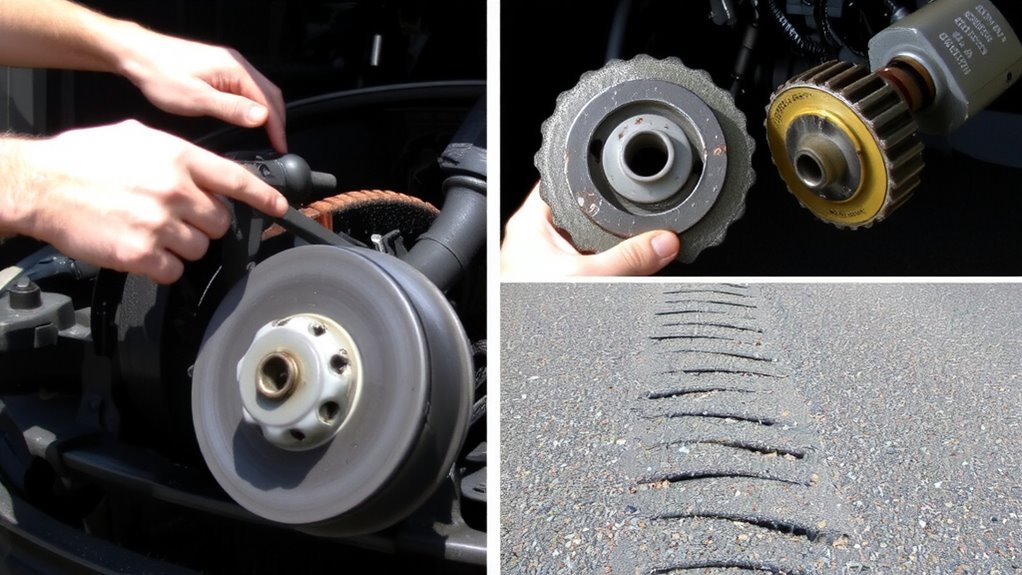
While your vehicle is negotiating a turn, the outside wheel must travel farther and spin faster than the inside wheel, which is where a limited slip differential (LSD) becomes essential. Differential basics involve allowing wheels to rotate at different speeds while still receiving power. Unlike an open differential, an LSD manages torque distribution more effectively. It transfers power to the wheel with more grip, improving traction. This function is critical in rear-wheel drive vehicles during cornering or slippery conditions. The LSD uses clutches, gears, or electronic controls to limit slip. Torque distribution can shift up to 70% to the wheel with better traction. Models like the clutch-type Salisbury or gear-driven Torsen differ in design and tuning. Proper preload and friction modifiers maintain performance. An LSD improves handling and stability without driver input. It operates seamlessly under varying load and road conditions.
5 Signs Your LSD Is Going Bad
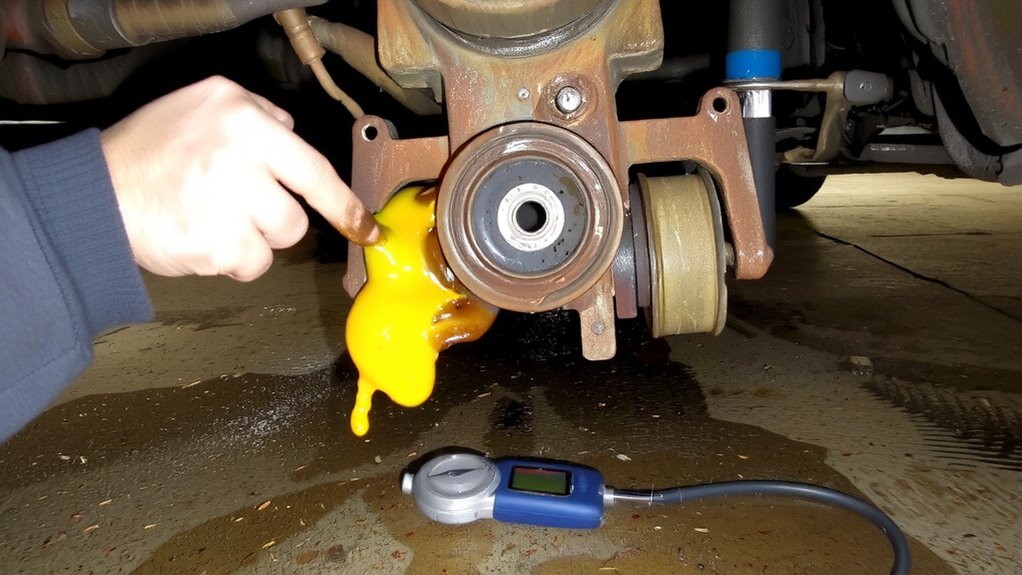
You might not think about your limited slip differential until something feels off. Unusual rear noise during cornering or acceleration often signals internal wear. If you notice excessive wheel slip when traction should be balanced, the clutch packs or gears may be failing. A healthy LSD transfers torque to the wheel with grip, reducing slip. When it degrades, performance drops noticeably.
| Symptom | Likely Cause |
|---|---|
| Whining or grinding | Worn bearings or gear misalignment |
| Clunking on acceleration | Preload loss or damaged spider gears |
| Uneven wheel slip | Worn clutch plates or low fluid |
Persistent rear noise and inconsistent wheel slip demand immediate inspection. Delay risks complete differential failure.
DIY LSD Diagnosis: 3 Tests to Confirm It’s Failing
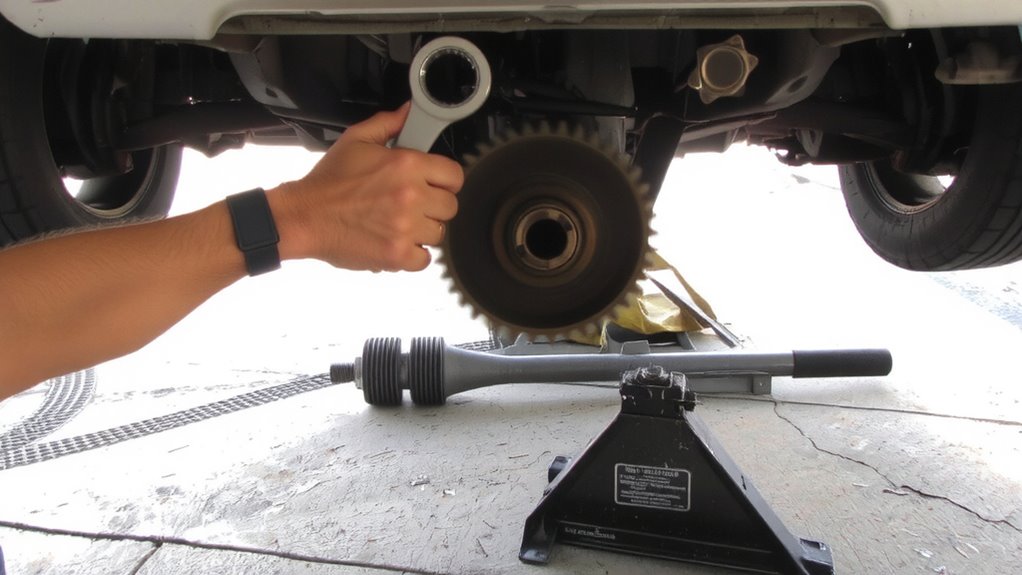
How can you tell if the problem lies in the limited-slip differential and not elsewhere? Start with a coast-down test: drive at 30 mph, release the throttle, and listen. Differential noise like grinding or growling often worsens during deceleration, pointing to worn bearings or gears. Next, perform a turn test: make tight circles in a parking lot. If you feel axle binding or shuddering, the clutch packs may be stuck or worn. Finally, do a smoke test-safely accelerate hard from a stop. Uneven wheel spin suggests clutch or gear failure. These tests target mechanical behavior under load, isolating LSD faults from drivetrain or suspension issues. Persistent differential noise and axle binding confirm internal wear. Early diagnosis prevents costly repairs. Perform each test methodically, noting symptoms and conditions. This systematic approach guarantees accurate identification of LSD failure.
Best LSD Fluids and Additives to Stop Chatter
The right limited-slip differential (LSD) fluid can make the difference between smooth power delivery and persistent driveline chatter. Choosing the correct fluid guarantees peak clutch engagement and minimizes noise. Fluid compatibility with your LSD type-clutch, gear, or hybrid-is critical to prevent damage and maintain warranty coverage. Additive effectiveness determines how well the fluid resists thermal breakdown and reduces friction inconsistencies. Use only manufacturer-recommended additives to avoid seal damage or clutch slippage.
| Product Type | Key Feature |
|---|---|
| OEM-Spec Fluid | Matches factory viscosity (75W-90) |
| High-Performance Additive | Increases friction stability by 40% |
| Synthetic Blend | Enhances fluid compatibility in high-load conditions |
Always verify specifications before purchase. A mismatched fluid or ineffective additive can worsen chatter instead of stopping it.
How to Replace LSD Clutch Packs
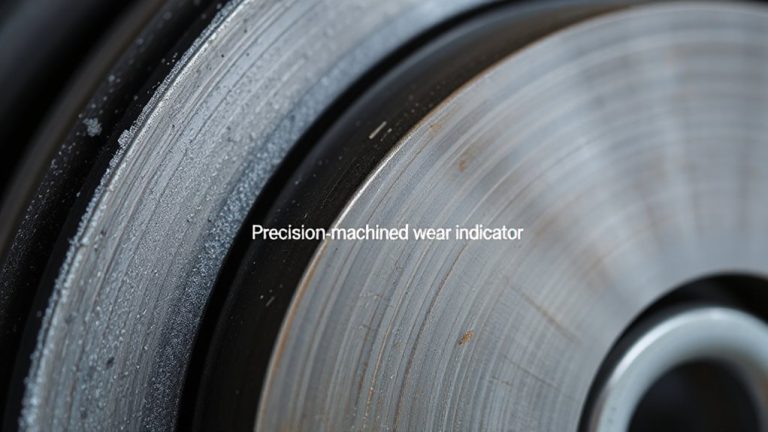
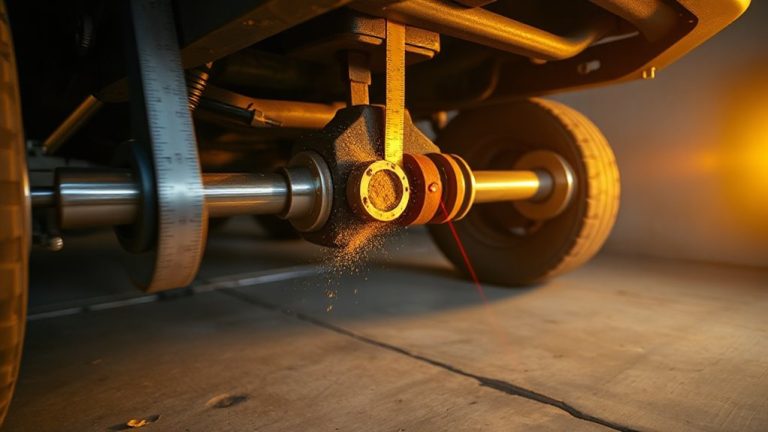
LSD fluid and additives help manage chatter, but worn clutch packs demand mechanical intervention. You must disassemble the differential to access the clutch stack. Clutch wear reduces preload and causes slipping under load. Inspect each plate for thinning friction material-typically measured in thousandths of an inch. Most OEM units specify 0.3–0.6 mm minimum thickness; below that, replace them. Friction material degrades over time, especially with overheating or incorrect fluid use. Stack order matters: alternate steel and friction plates per manufacturer specs. Use a dial indicator to measure stack height; deviations beyond 0.005” cause uneven engagement. Preload springs lose tension with age, so replace them alongside the clutches. Torque the pressure plate evenly in a star pattern to avoid warping. Reassembly errors lead to binding or noise. Test fit before final bearing adjustment. Correct installation guarantees consistent lock-up and long-term reliability.
Rebuild or Replace? Your LSD Options Explained
Why invest time and money into rebuilding your limited slip differential when a replacement might seem easier? Rebuilding preserves original specifications and can be cost-effective if you have the skills. However, replacing with a unit from reputable aftermarket LSD brands often delivers improved performance and reliability. Factory rebuilds vary in durability, but many aftermarket options include LSD warranty coverage ranging from 12 months to unlimited miles. Units like the Yukon Gear Eaton Truetrac or Detroit Speedmaster use advanced helical gears or carbon-fiber clutches rated for 800+ lb-ft of torque. Some feature pre-load settings calibrated to within 15 inch-pounds for ideal friction management. Replacement differentials often include updated bearing kits and seal configurations compatible with modern fluids. Weigh labor costs, vehicle use, and LSD warranty coverage before deciding. Replacements suit high-stress applications; rebuilds work well for stock or lightly modified setups.
LSD Maintenance: 7 Preventive Habits
You can avoid costly repairs down the road by sticking to a few key maintenance habits. Check your differential fluid every 12,000 miles. Use only the manufacturer-specified lubricant viscosity-typically 75W-90 or 80W-90-to guarantee proper clutch engagement in the limited slip unit. Never mix synthetic and conventional oils unless explicitly approved. After any differential service, follow correct break in procedures: drive gently for the first 500 miles, avoiding hard acceleration or aggressive cornering. This allows clutch plates to seat properly. Inspect for leaks regularly; even small seeps can lead to low fluid levels and premature wear. Replace fluid every 30,000 miles under normal conditions, or every 15,000 under severe use. Always use a friction-modified gear oil designed for LSDs. Proper maintenance guarantees consistent performance and extends differential life markedly.
On a final note
You now have the tools to diagnose and resolve limited slip differential issues confidently. A failing LSD often shows through uneven tire wear, noise during turns, or loss of traction. Use the clutch pack inspection, fluid analysis, and coast-test to confirm. Replace worn packs with OEM-spec materials, like carbon-fiber friction plates rated for 1,800 lb-ft of torque capacity. Always use API GL-5 75W-140 fluid with 5% limited-slip additive. Rebuilds cost less than replacements but require precision.